🔴  Breaking News🇺🇸  USA Edition🇪🇺  Europe Edition🌏  Asia & Oceania🌍  Africa Edition
Tuesday, June 16, 2026
🌙 Evening Brief
The Daily Brief

Your daily newspaper · Every night at midnight

Preferences

S&P 500752.76▼ 0.27%NASDAQ734.68▼ 1.25%DOW523.04▲ 0.89%CAC 4046.26▲ 1.11%DAX41.90▲ 0.14%FTSE 10046.66▲ 0.97%Nikkei94.45▲ 0.41%Apple299.48▲ 1.03%Amazon246.13▲ 0.04%Microsoft391.82▼ 1.99%Google370.06▲ 0.19%Tesla405.13▼ 1.46%Nvidia209.15▼ 1.55%Meta597.38▲ 0.66%Netflix78.90▼ 3.39%Coca-Cola80.31▼ 0.74%Nike45.53▲ 0.73%Disney100.58▼ 1.09%JPMorgan331.33▲ 3.74%LVMH119.24▲ 0.59%TotalEnergies84.63▲ 0.67%SAP164.88▲ 0.33%Gold398.38▲ 0.46%Oil113.71▼ 6.19%S&P 500752.76▼ 0.27%NASDAQ734.68▼ 1.25%DOW523.04▲ 0.89%CAC 4046.26▲ 1.11%DAX41.90▲ 0.14%FTSE 10046.66▲ 0.97%Nikkei94.45▲ 0.41%Apple299.48▲ 1.03%Amazon246.13▲ 0.04%Microsoft391.82▼ 1.99%Google370.06▲ 0.19%Tesla405.13▼ 1.46%Nvidia209.15▼ 1.55%Meta597.38▲ 0.66%Netflix78.90▼ 3.39%Coca-Cola80.31▼ 0.74%Nike45.53▲ 0.73%Disney100.58▼ 1.09%JPMorgan331.33▲ 3.74%LVMH119.24▲ 0.59%TotalEnergies84.63▲ 0.67%SAP164.88▲ 0.33%Gold398.38▲ 0.46%Oil113.71▼ 6.19%
🇪🇺 Europe Edition
POLITICS

EU ADOPTS CONTINENT-WIDE BIODIVERSITY LAW

The European Union has formally adopted the first continent-wide, comprehensive Biodiversity Regulation targeting ecosystem restoration across all member states. This landmark legislation sets binding targets to restore degraded lands and enhance carbon capture while preventing natural disasters. The law serves as a cornerstone of the EU's broader Biodiversity Strategy, reinforcing Europe's commitment to environmental sustainability and climate resilience. It represents a unified geopolitical and societal effort by EU institutions to safeguard Europe's natural heritage for future generations.
Topic sections
🇬🇧

United Kingdom

Brexit’s economic drag is still shaping UK politics

Recent research cited in the available material says Brexit continues to weigh on UK output, trade and investment, with long-term GDP losses still being revised upward. That keeps the issue politically live because weak growth now sits at the centre of arguments about taxes, spending and living standards. It also leaves ministers defending a post-Brexit settlement that has not produced a clear growth dividend. In practical terms, the debate has shifted from whether Brexit hurt the economy to how large the damage is and how much of it can still be reversed.

London’s economy is still absorbing the shock of leaving the EU

London is still exposed to the costs of Brexit because its economy relies more than most regions on European-linked activity. The effects show up in business sentiment, hiring and the broader debate over the city’s competitiveness. Policymakers are trying to offset those pressures, but the capital’s role as a global hub is still being reshaped. That makes London one of the sharpest indicators of whether Britain’s post-Brexit economic model is working.

Brexit has hardened Britain’s wider debate about trust and governance

Social fallout from Brexit is still visible in how people judge the state of British government. The available material points to unusually high dissatisfaction with the system of governing Britain, which suggests a broader crisis of confidence. Brexit is now part of that picture rather than a separate issue. The result is a political climate in which economic disappointment and institutional distrust reinforce each other.

🇩🇪

Germany

Germany’s new leadership test: power, restraint, and European confidence

Berlin is no longer being judged only on domestic stability, but on whether it can provide strategic direction for Europe at a moment of geopolitical strain. The central issue is not German ambition, but whether Germany can make its power useful to partners who want leadership without unilateralism. That balance will shape everything from defense coordination to industrial policy and the EU budget. It also determines whether Germany becomes Europe’s anchor of resilience or a source of renewed hesitation.

Berlin under pressure to turn economic size into industrial momentum

Germany’s economic leadership depends less on its headline scale than on whether it can restore confidence in its industrial model. The new government is being judged on whether it can accelerate investment, reduce friction, and make Germany a better place to build and scale advanced manufacturing. That is not only a domestic question, because German industrial weakness quickly becomes a European problem. The market is now waiting for evidence that policy change in Berlin will produce measurable momentum.

Germany’s European leadership will be judged by coalition-building, not rhetoric

Berlin’s influence in Europe depends on whether it can align its domestic agenda with the strategic needs of its partners. The most sensitive arena is security, where France and Poland both expect German commitment but remain wary of German overreach. That puts a premium on practical cooperation over grand declarations. The real measure of leadership will be whether Germany can help build shared European capacity in defense and industry.

🇫🇷

France

France seeks leverage abroad while domestic pressure stays high

Macron has again tied French diplomacy to national strength, saying France must restore its capacity to innovate, produce, reduce unemployment, and act inside a stronger Europe. He also reiterated that French security is the core purpose of diplomacy and that Paris wants to press for a two-state solution and for a more integrated European posture on defense, migration, climate, and energy. The political challenge is that this external ambition depends on domestic economic and social credibility, especially at a time when French leaders are under pressure to show results rather than doctrine. That makes France’s current posture look less like a decisive turn than a balancing act between strategic messaging and the limits of the home front.

Paris remains the barometer of the republic

Paris is where national politics is translated into visible pressure on daily life, from commuting and public order to the symbolic handling of reform. The capital’s centrality means that any stress in governance quickly becomes a Paris story, then a national one. That is why the city remains a key test of whether the government can impose order without deepening social resentment. In today’s France, Paris is still both the center of power and the most sensitive indicator of political strain.

Economic weakness still shapes France’s political room for maneuver

France’s leadership continues to frame economic revival as a national security issue rather than a purely fiscal one. The stress on innovation, production, and youth unemployment shows that the government sees competitiveness as the foundation of both domestic legitimacy and diplomatic weight. But this strategy also reveals how limited France’s room for maneuver remains if growth stays weak or uneven. Economic performance is therefore not a side issue in France; it is the condition that determines how far the state can go on politics, society, and diplomacy.

🇮🇹

Italy

Italy’s stability masks a deeper governance problem

Italy remains institutionally resilient, but that resilience does not automatically translate into effective government or faster growth. The country’s core challenge is to turn formal stability into visible improvements in courts, investment, jobs, and confidence.

Growth remains constrained by productivity and aging

Italy’s economy is being held back by structural weaknesses that have accumulated over time. The central question is whether policy can lift productivity before aging and slow firm growth narrow the country’s room to maneuver further.

Culture stays strong even as social pressures build

Italy’s cultural influence remains one of its greatest assets, from the arts to everyday social life. But the domestic conversation is increasingly shaped by whether that cultural strength can coexist with better opportunities and a more balanced society.

🇸🇪

Nordic

Sweden boosts WHO Ebola response with SEK 120 million

Stockholm announced fresh funding for the WHO on 15 June, aimed at containing Ebola in the Democratic Republic of the Congo. The decision underlines Sweden’s continued preference for multilateral crisis response over ad hoc bilateral aid. It also gives the government a visible humanitarian policy win at a moment when global health threats remain politically salient.

Sweden keeps a serious security posture as total defense planning advances

The latest defense assessment says the security situation remains serious. That reinforces the government’s emphasis on total defense and national resilience. The broader Nordic effect is a sustained focus on preparedness rather than short-term reassurance.

Nordic leaders use the council session to project regional unity

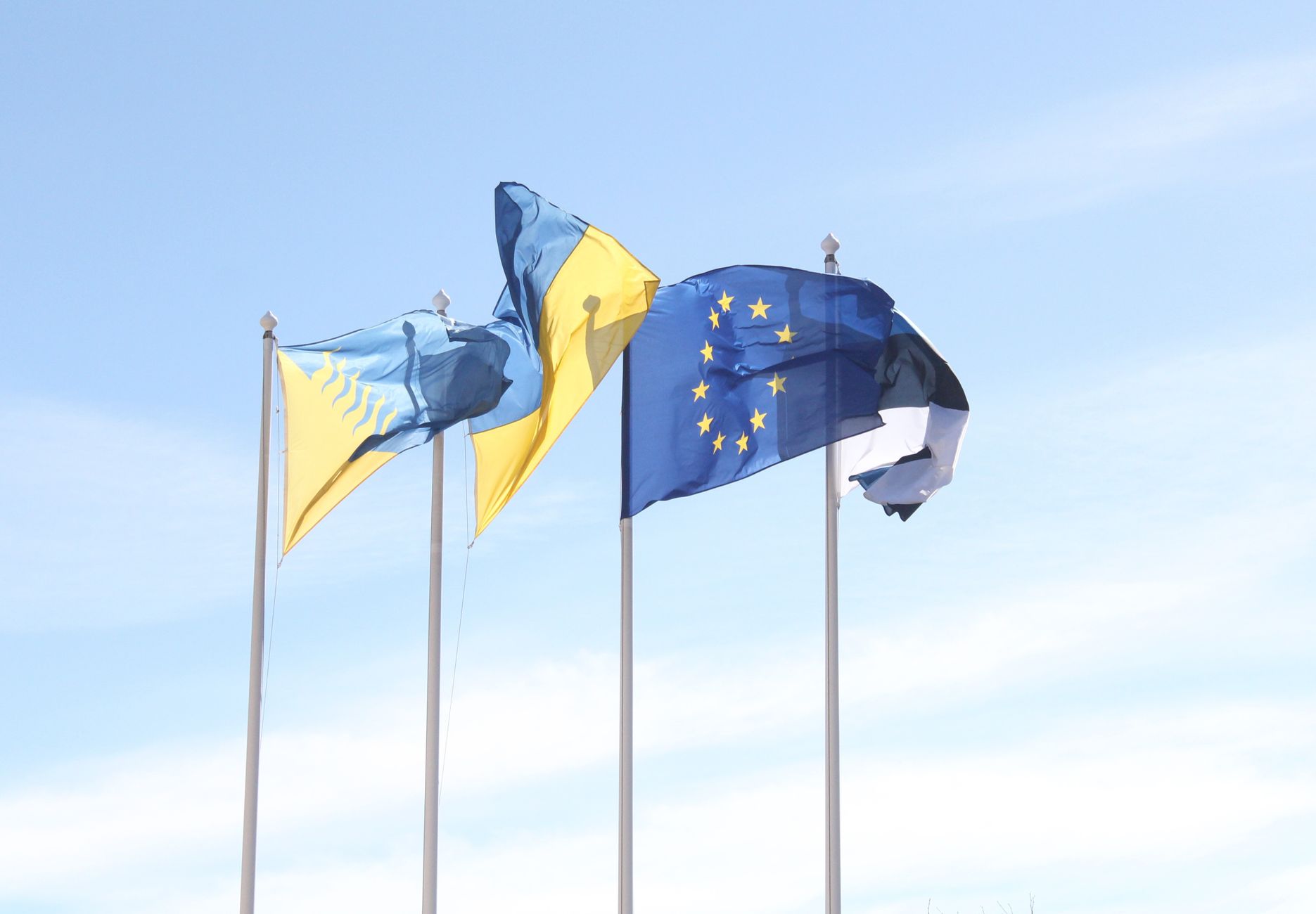
Senior Nordic and EU figures met at the Nordic Council session, highlighting continued coordination on security and policy priorities. The appearance of Swedish and Finnish leaders alongside the European Commission signals a tight link between Nordic and EU agendas. It also suggests the region is trying to speak with one voice on strategic issues.

🇪🇸

Spain & Portugal

Spain, Portugal face tighter domestic politics as economic pressures persist

Spain’s coalition politics remain fragile, with policy making dependent on shifting parliamentary support and a narrow margin for error. In Portugal, the main debate is whether economic recovery is translating into visible improvements in daily life, especially for younger workers and families. Across both countries, the central issue is less crisis than accumulation: housing, wages, public services, and fiscal discipline are all pulling in different directions.

Economy: growth is holding up, but distribution and housing remain weak spots

Economic performance in both countries is being judged less by headline growth than by whether wages and housing supply are keeping pace with demand. Spain has stronger scale and more diversified sectors, while Portugal remains more exposed to the limits of a smaller economy. The common risk is that solid macro indicators will not be enough if citizens continue to feel squeezed by rents and stagnant purchasing power.

Society and culture: vibrant public life, but growing strain on cities

Spain and Portugal still benefit from strong cultural visibility, with tourism and creative industries helping define their international image. At the same time, urban residents are increasingly focused on housing costs, crowding, and the pressure of high visitor numbers. The broader social challenge is to keep the cultural appeal of Iberia without letting it deepen everyday inequality.

🏛️

EU & Brussels