While U.S.-China rivalry dominates headlines, the Asia-Pacific’s risk profile is widened by other unresolved security threats. North Korea’s nuclear and missile programs continue to force China and Russia to monitor Pyongyang closely, because instability on the peninsula threatens the buffer politics that both powers prefer to preserve.[1]
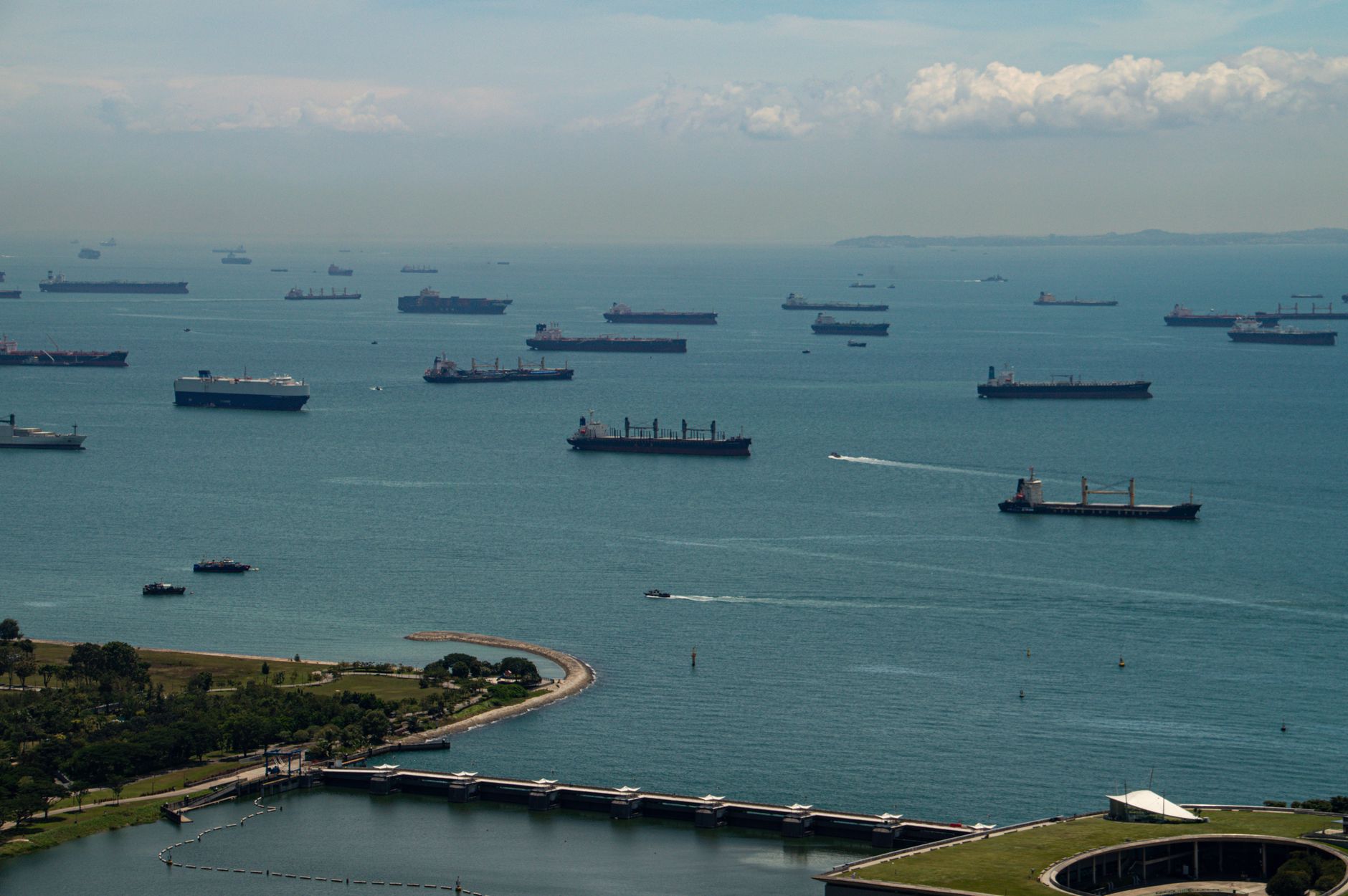
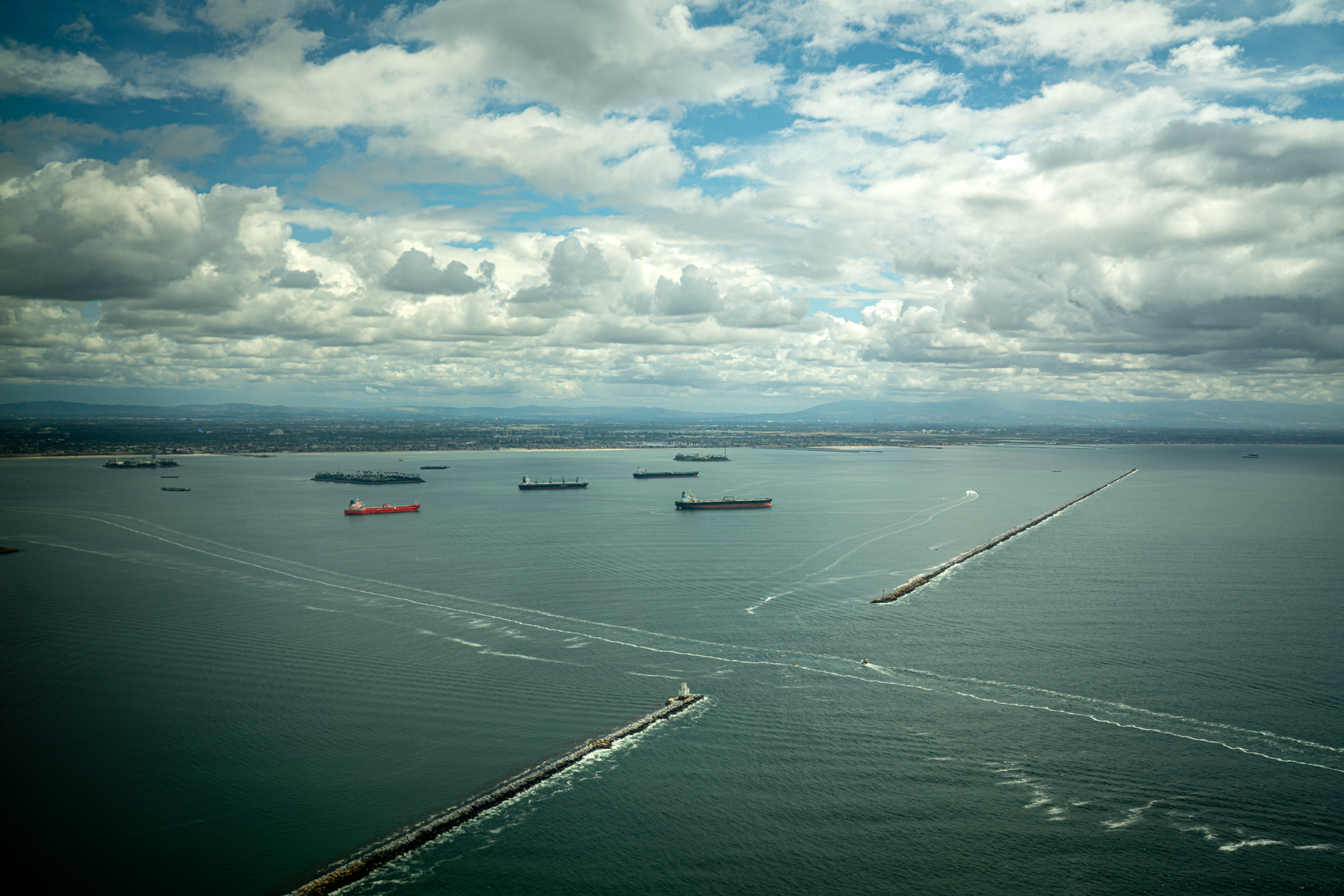
That problem intersects with the region’s maritime geography. The same sea lanes that support Asia’s growth also create vulnerabilities, because critical trade and energy flows pass through chokepoints that can be monitored, disrupted, or militarized in a crisis.[1]
The strategic importance of Malacca, Luzon, and adjacent waters means that even local incidents can have regional consequences. Countries that depend on imported energy or export-heavy manufacturing are increasingly thinking about how quickly a maritime dispute could become an economic shock.[1]
This is why coast guards, naval patrols, and crisis communications are now becoming central to regional policy. Governments are trying to lower the odds that a confrontation at sea, or a missile launch on the peninsula, could spiral into wider instability that hits trade, supply chains, and investor confidence.[1][2]
Asia-Pacific security in 2026 is defined by simultaneity: a major-power rivalry, a nuclear outlier, and vulnerable sea lanes are all operating at once. That combination makes the region more resilient in some institutional respects, but also more exposed to sudden disruption than its leaders would like to admit.[1][3]