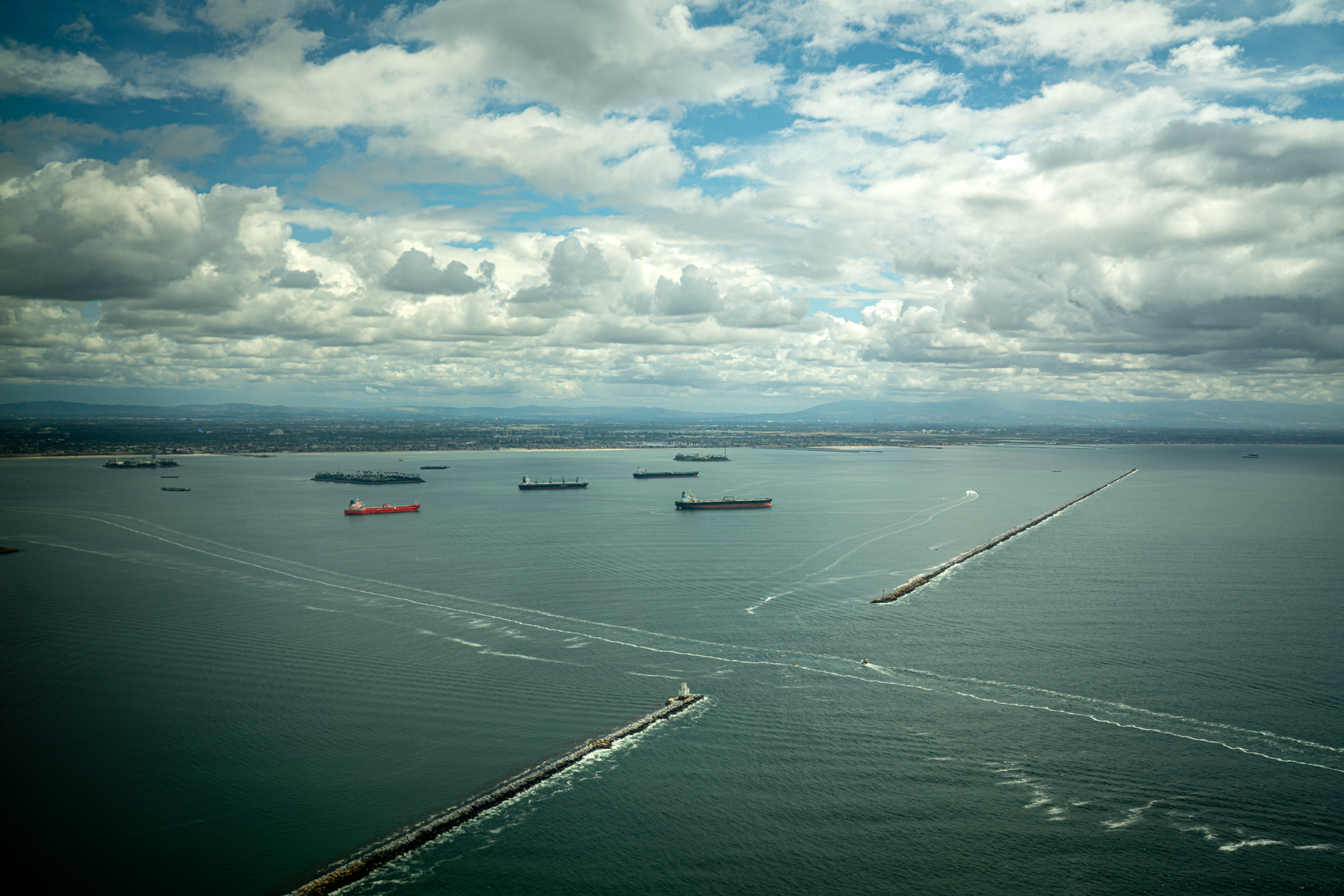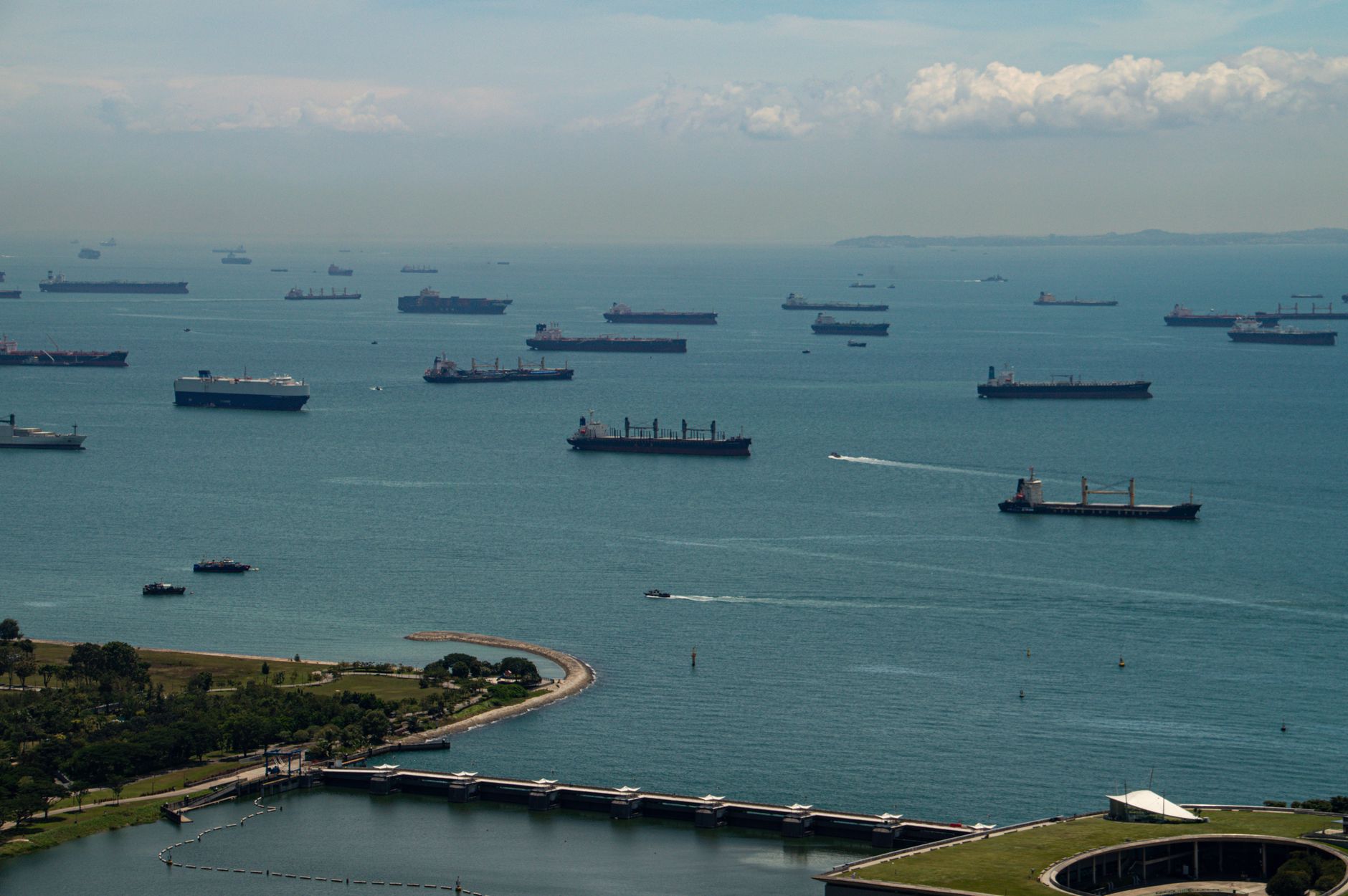
Maritime geography is reasserting itself as one of the Asia-Pacific’s defining strategic facts. The most contested spaces are not abstract lines on a map but choke points and sea lanes that connect OPEC producers to East Asian economies, making routes such as Malacca, Luzon and the waters around Taiwan central to both commerce and coercion.[1]
A 2026 risk assessment of the region says U.S.-China rivalry is driving competition over maritime routes, energy access and militarised strategic areas, including the Senkaku, Spratly and Paracel Islands, as well as the Korean Peninsula and Taiwan.[1] That rivalry is not only about forward military posture; it is also about who can influence the flow of goods, fuel and technology through the region.[1]
The logic is simple and unforgiving. Whoever can monitor or disrupt key sea lanes gains leverage over supply chains that feed the world’s most dynamic manufacturing economies. That is why the South China Sea and Southeast Asia remain the two areas of greatest geo-economic value in the region’s security calculus.[1]
China has been strengthening its military capabilities near Korea and in the South China Sea while continuing exercises intended to signal readiness and persistence.[1] Those moves are meant to protect Beijing’s economic and strategic security, including what Chinese strategists call the Malacca dilemma: vulnerability to disruption at a maritime chokepoint that matters more each year as trade deepens.[1]
The result is a region where commerce and conflict are increasingly inseparable. Sea lanes that keep Asia’s economies moving are also the routes through which pressure, surveillance and escalation can travel, making maritime security the core of Asia-Pacific geopolitics rather than a side issue.[1]