The Architect of a New Reality
In the annals of modern industry, few figures have commanded the stage with the sheer audacity of Elon Musk. As of 2026, the world’s richest man has not only solidified his position as the first-ever trillionaire but has also orchestrated a corporate merger that blurs the line between distinct industries and redefines the concept of a business empire. By folding his artificial intelligence company, xAI, into SpaceX, Musk has effectively created a monolithic entity that houses the X social media platform, the Grok chatbot, the Starlink satellite network, and the world’s most advanced rocketry under a single corporate roof. This is no longer merely a collection of companies; it is a universe, a deliberate and terrifyingly ambitious attempt to control the trajectory of human intelligence, transportation, and communication.
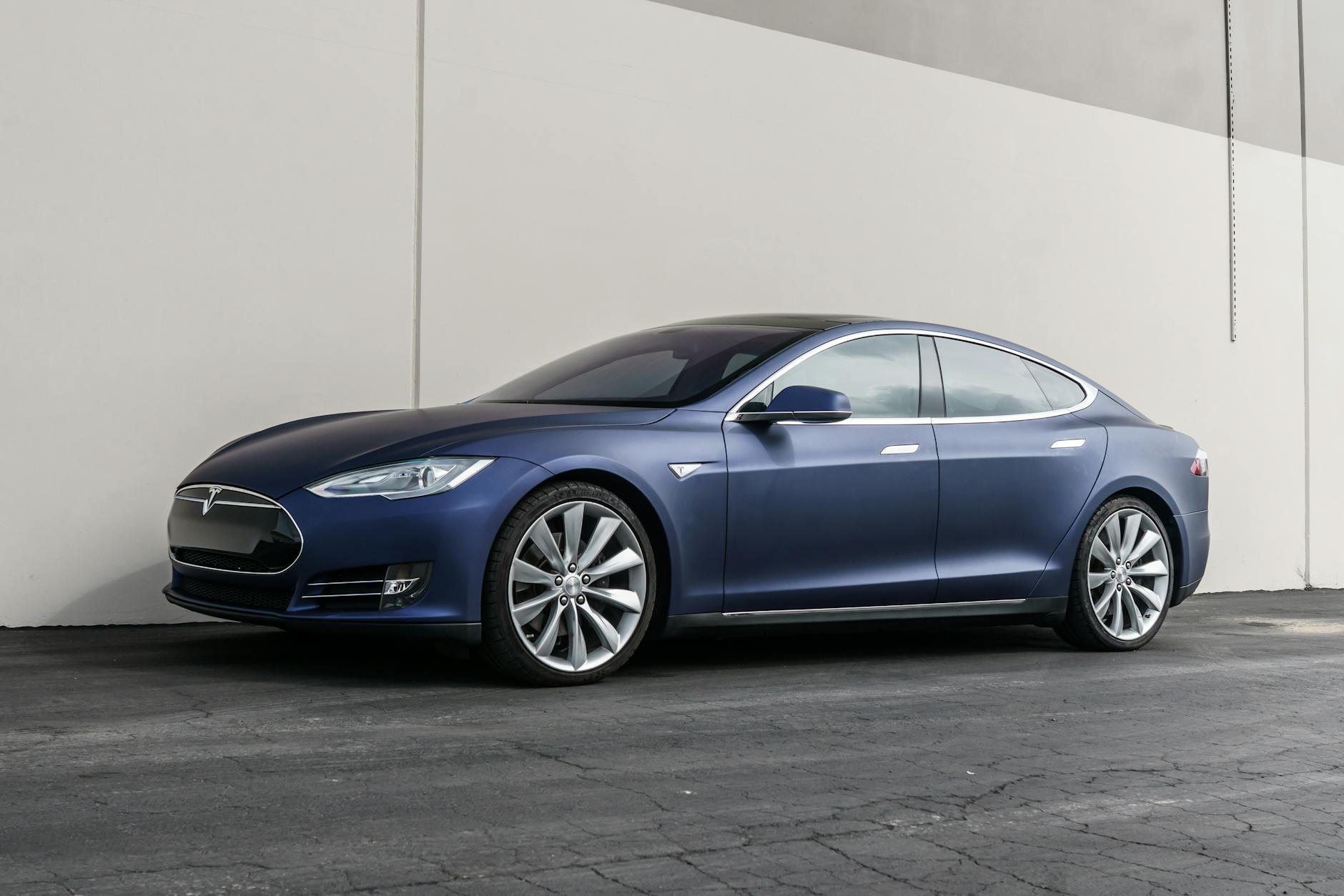
The logic behind this consolidation is as stark as the challenges it seeks to solve. Musk has long posited that the biggest threats to humanity—artificial intelligence, climate change, and the stagnation of human capability—require a unified, maximum-effort response. His portfolio, stretching from the Boring Company’s underground tunnels to Neuralink’s brain-computer interfaces, suggests a man attacking the fundamental pillars of existence: transportation, intelligence, and human capability itself. Tesla attacked transportation; xAI is attacking intelligence; Neuralink attacks human capability. The merger of SpaceX and xAI is the centerpiece of this strategy, a move that places Musk in command of the very tools that could determine whether humanity survives the coming century.
The Convergence of AI and Rocketry
The fusion of SpaceX and xAI represents a watershed moment in the history of technology. xAI, founded in reaction to Musk’s growing discontent with the direction of OpenAI and the broader AI boom, was established with a mission to understand the "true nature of the universe." Its first product, the Grok chatbot, was designed as a "maximum truth-seeking" tool, a stark contrast to what Musk perceives as the sanitized, politically correct models of his competitors. By merging xAI into SpaceX, Musk has not only pooled the resources of two of the most valuable private US companies but has also created a feedback loop where the data from Starlink, the X platform, and the rockets themselves could be used to train Grok, driving the AI toward a more profound understanding of reality.
This convergence is not merely technical; it is strategic. The combination brings Musk’s rockets, Starlink satellites, the X social media platform, and the Grok AI chatbot under one roof, creating a self-sustaining ecosystem. The data generated by billions of users on X, the orbital data from Starlink, and the telemetry from SpaceX’s rockets provide a torrent of information that xAI can leverage to refine its models. In turn, the AI can optimize rocket trajectories, manage satellite networks, and even curate content on X, creating a loop of efficiency that is difficult for any competitor to replicate. This is the vision of a trillion-dollar gambit: a system where every part reinforces the others, creating a strength that is exponential rather than additive.
The Shadow of Controversy
Yet, the construction of this empire has been fraught with controversy, and the shadows of Musk’s past actions loom large over his future ambitions. In March 2026, a jury in San Francisco found Musk liable for misleading investors during his acquisition of Twitter, a decision that could cost him an estimated $2.5 billion in damages. While the jury absolved him of some fraud allegations, finding he did not "scheme" to defraud investors, the verdict underscores the precarious nature of his rise to the trillionaire status. The legal battle is a reminder that Musk’s path has been marked by a disregard for conventional norms, a trait that has fueled his success but also exposed him to significant risk.
Beyond the legal arena, Musk’s public persona has been a source of intense criticism. He has been accused of spreading COVID-19 misinformation, promoting conspiracy theories, and making antisemitic, white nationalist, racist, and transphobic comments. These controversies have not only tarnished his reputation but have also raised questions about the responsibility of a man who controls such vast swathes of the digital and physical infrastructure of the modern world. When Musk tweets that SpaceX will "keep funding the Ukraine government for free" amid Starlink controversies, he is not just making a political statement; he is using his empire to influence global events, a move that has drawn both admiration and condemnation.
The acquisition of Twitter, which Musk rebranded as X in 2023, remains a contentious chapter in his history. The $44 billion deal, which he parked under xAI, has been criticized by legal experts and shareholders alike. Some argue that Musk is playing a shell game to transfer the liabilities of the struggling X platform off his personal balance sheet while siphoning cash from xAI. This skepticism is fueled by the fact that Musk has been the largest shareholder in Twitter since 2022, with a 9.2% stake, and has implemented significant changes that have led to a decline in user engagement and advertiser confidence. The controversy surrounding X is a testament to the difficulty of balancing the demands of a shareholder with the responsibilities of a public platform, a challenge that Musk has struggled to navigate.
The Future of the Human Machine
While the controversies of the past cast a shadow over the present, Musk’s vision for the future is undeniably ambitious. His portfolio, which includes Neuralink, the Boring Company, and Tesla, is a testament to his belief that the future of humanity lies in the integration of technology and biology. Neuralink, which he co-founded in 2016, is working on brain-computer interfaces that could allow humans to communicate with machines at the speed of thought. The Boring Company is building underground tunnels to alleviate traffic congestion, while Tesla is developing electric vehicles that could eliminate the need for fossil fuels. Each of these projects is a step toward a future where humanity is not just a passenger on the planet but an active participant in its evolution.
The merger of SpaceX and xAI is the cornerstone of this vision. By combining the power of rocketry with the potential of artificial intelligence, Musk is creating a system that could accelerate the pace of human progress. The data from Starlink and the insights from Grok could be used to optimize the performance of rockets, manage satellite networks, and even curate content on X. This is the vision of a trillion-dollar gambit: a system where every part reinforces the others, creating a strength that is exponential rather than additive. In this future, the boundaries between technology and biology, between the physical and the digital, will dissolve, creating a new reality where humanity is not just a passenger on the planet but an active participant in its evolution.
The Trillion-Dollar Question
As Elon Musk stands at the threshold of the trillionaire status, the question remains: is this a vision of a better future, or a gamble that could lead to catastrophe? The merger of SpaceX and xAI is a bold move, one that could accelerate the pace of human progress or lead to a concentration of power that is dangerous for all. The controversies surrounding Musk’s past actions, the legal battles, and the criticism of his public persona are a reminder that the path to the future is not without risks. But the vision of a universe where technology and biology are integrated, where the boundaries between the physical and the digital dissolve, is a compelling one. In the end, the trillion-dollar gambit is not just about money; it is about the future of humanity, and the question of whether we are ready to take the next step into the unknown.
Elon Musk’s empire is a testament to the power of ambition, the danger of risk, and the potential of human ingenuity. It is a universe that is still being built, a future that is still being shaped. And as the world watches, the question remains: will this be the future that saves us, or the one that destroys us? The answer, like the future itself, is unknown, but the journey is one that is worth taking.