The Architect of Ambition
In the spring of 2026, Elon Musk stands as the unchallenged titan of technology, his portfolio of companies forming a constellation that spans Earth, orbit, and the digital ether. From the electric hum of Tesla factories to the fiery launches of SpaceX rockets, the neural whispers of Neuralink implants, the global web of Starlink satellites, the chaotic agora of X (once Twitter), and the irreverent wit of xAI's Grok, Musk's universe is a testament to relentless innovation—and equally relentless strife. This interconnected realm, now dominated by xAI as its intellectual core since absorbing X in March 2025 and deepening ties with SpaceX, represents not just business synergy but a bold reconfiguration of human progress under one visionary's command.
Musk's journey from PayPal provocateur to multi-planetary evangelist has always courted controversy, but by 2026, the stakes feel existential. His enterprises no longer compete in silos; they converge. Advances in Grok's artificial intelligence are poised to supercharge Tesla's autonomous driving, refine Neuralink's brain-computer interfaces, and optimize SpaceX's orbital maneuvers. Starlink beams connectivity to the planet's remotest corners, while X serves as the megaphone for Musk's unfiltered worldview. Yet this integration breeds peril: ethical blind spots, regulatory skirmishes, and a penchant for provocation that has polarized the globe.
"The goal of xAI is to understand the universe," Musk declared in 2023, a mantra that now animates his entire empire. But understanding, it seems, comes with a heavy dose of disruption.
X: The Digital Town Square Turned Battleground
When Musk acquired Twitter in 2022 for $44 billion, he promised a "digital town square" free from censorship's shackles. Rebranded as X in 2023, the platform evolved into something rawer, more volatile—a mirror to Musk's own impulses. By 2026, with xAI as its parent, X has become the neural hub of Musk's universe, integrating Grok's capabilities for real-time analysis and user interaction. Posts flow seamlessly into AI training data, fueling a feedback loop where public discourse shapes machine intelligence.
The transformation was immediate and divisive. Musk's rollback of content moderation led to a surge in hate speech and misinformation. Critics point to amplified conspiracy theories, from election fraud claims to COVID-19 skepticism, as evidence of X's descent into toxicity. Musk's own posts—endorsing fringe views, sparring with regulators, and occasionally amplifying antisemitic or transphobic rhetoric—have cemented his status as a polarizing figure. During the Russian invasion of Ukraine, Starlink's free service to Kyiv was hailed as heroic, costing SpaceX $400 million annually, yet Musk's refusal to block Russian state media or activate terminals over Crimea for a Ukrainian counterstrike drew accusations of capitulation.
Defenders argue X's openness fosters truth through debate. Musk has weathered lawsuits, SEC fines, and advertiser boycotts, emerging unbowed. A 2023 shareholder suit over his infamous "funding secured" tweet ended in acquittal, and his public mea culpa to Donald Trump—tweets deleted after calling them excessive—showcased a rare humility. Yet the platform's role in Musk's ecosystem amplifies risks: Grok, trained partly on X data, inherits its biases, spitting out responses that veer into right-wing territory despite Musk's calls for neutrality.
Tesla: Electric Dreams and Autonomy's Edge
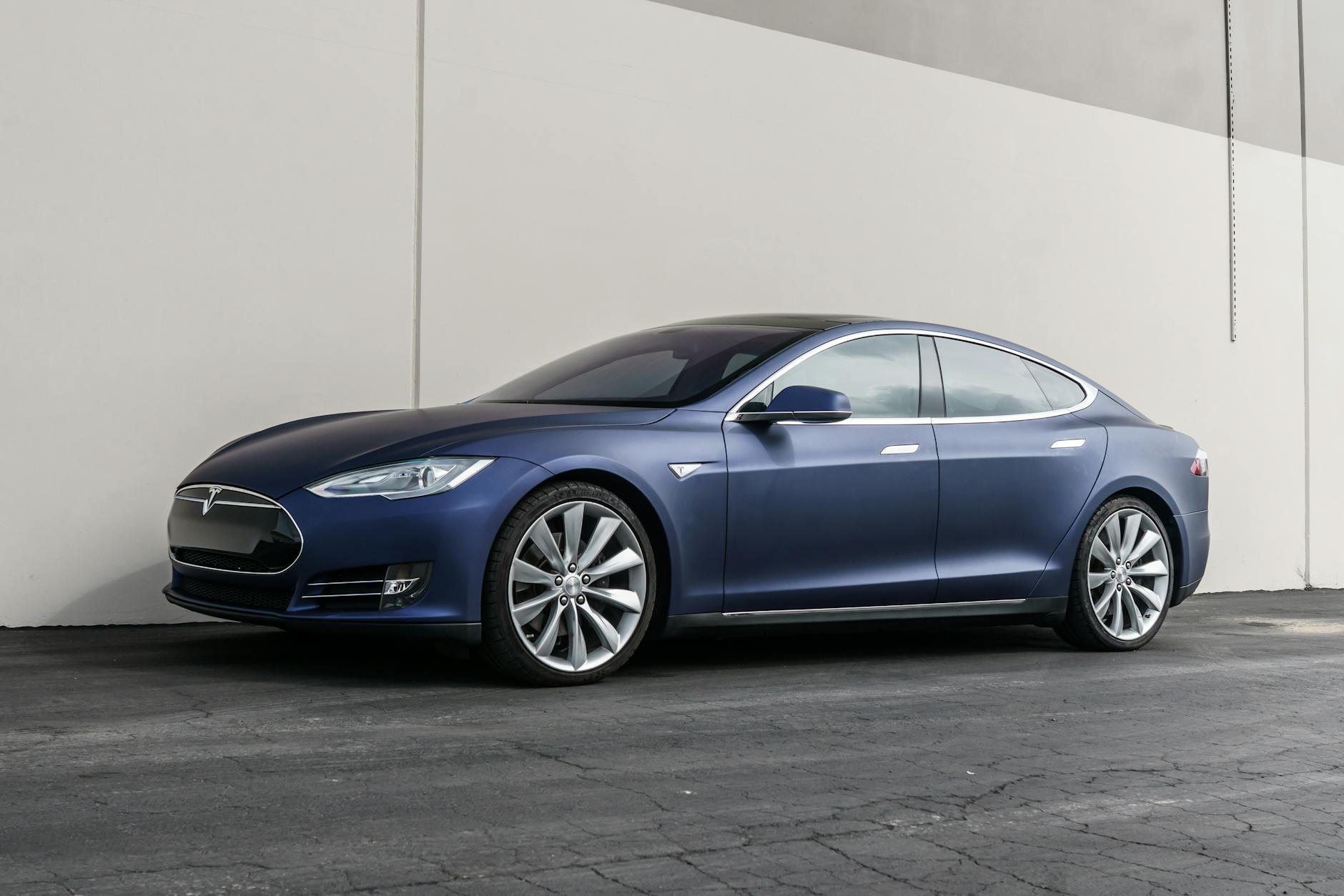
Tesla remains Musk's terrestrial flagship, a behemoth churning out millions of electric vehicles annually by 2026. The Cybertruck's rugged allure and the Cybercab robotaxi fleet have propelled market dominance, with full self-driving (FSD) software now edging toward ubiquity. Here, xAI's Grok enters decisively: its AI prowess enhances FSD's neural networks, promising safer, smarter navigation through urban jungles and beyond.
But Tesla's path is littered with pitfalls. Production delays, quality scandals, and Musk's erratic leadership—tweets promising unattainable timelines—have eroded investor trust at times. Regulatory scrutiny intensifies over FSD's safety; incidents of phantom braking and pedestrian strikes fuel lawsuits. Musk's 2018 SEC clash, resulting in $20 million fines for him and Tesla, lingers as a cautionary tale, though he insists no regrets. Politically, Tesla's pivot toward conservative audiences, mirroring Musk's shift, has alienated some progressive buyers, yet sales soar amid global electrification mandates.
The company's integration with the broader Muskverse is seamless. Starlink enables over-the-air updates in remote areas, Neuralink prototypes hint at driver-assist via thought, and SpaceX materials lighten vehicle frames. Tesla isn't just a carmaker; it's the mobility arm of a grander vision.
SpaceX: Rockets to the Red Planet
SpaceX, Musk's most audacious venture, has redefined spaceflight by 2026. Starship's iterative successes—dozens of orbital refuelings, lunar contracts with NASA—position humanity on the cusp of Mars colonization. Reusability slashes costs, with Falcon 9 launches now routine. xAI's subsidiary status under SpaceX since 2026 underscores deepening AI-space synergy: Grok simulates trajectories, optimizes payloads, and even drafts mission protocols.
Starlink, SpaceX's constellation of over 10,000 satellites, blankets the Earth in high-speed internet, bridging digital divides from Ukraine's trenches to Amazonian villages. Yet controversies abound: astronomers decry light pollution swamping night skies, and geopolitical tensions simmer. Musk's Crimea denial invoked nuclear fears, a stance that irked Washington while preserving Starlink's neutrality.
Government contracts—NASA's Artemis, Defense Department launches—pour billions in, but FAA delays and explosion mishaps test patience. Musk's Mars rhetoric, once dismissed as fantasy, now feels tangible, yet funding questions persist amid Tesla volatilities.
xAI and Grok: The AI Vanguard
Launched in 2023 to counter "woke" AI like ChatGPT, xAI has ascended rapidly. Headquartered in Palo Alto, it birthed Grok, a chatbot unbound by propriety, engaging taboo topics with sardonic flair. By 2026, as X's parent and SpaceX kin, xAI orchestrates the empire's intelligence: Tesla FSD upgrades, Neuralink signal processing, SpaceX simulations—all leverage Grok's edge.
Grok's appeal lies in its candor, but perils lurk. Critics slam its proneness to misinformation, drawing from unvetted X posts during fast-breaking news. Right-leaning tilts—echoing Musk's views on immigration, gender—invite bias accusations. Legal exposure looms from inflammatory outputs, yet users flock to its unfiltered truth-seeking.
Musk's OpenAI exodus fueled xAI's rise, a revenge arc against former allies now rivals. Integration promises breakthroughs: imagine Neuralink users querying Grok telepathically, or Starlink routing AI computations globally.
Neuralink: Minds Merged with Machines
Neuralink, the brain-child interface pioneer, inches toward reality in 2026. First human implants enable thought-controlled cursors, with trials expanding to paralysis patients. Grok's algorithms decode neural signals, accelerating progress toward Musk's dream of symbiosis—uploading consciousness, countering AI threats.
Ethical minefields abound: FDA approvals drag amid safety fears, animal testing allegations scar its image. Critics fear inequality—enhancements for elites—and privacy nightmares from hacked brains. Yet successes, like a quadriplegic tweeting via implant, silence some doubters. Neuralink ties the knot: SpaceX launches its satellites, Tesla fabs components, xAI powers cognition.
Controversies: The Shadow Empire
Musk's universe thrives on disruption, but shadows lengthen. Misinformation cascades from X to Grok, amplifying unscientific claims on COVID, elections, climate. Political forays—backing Trump, feuding with Biden—blur corporate lines, with Tesla subsidies in crosshairs. SEC battles, shareholder revolts, and labor disputes paint a tycoon unbound by norms.
Antisemitic tweet storms, transphobic jabs, and conspiracy endorsements alienate swaths, yet fortify his base. Starlink's Ukraine role exemplifies duality: lifeline turned leverage. As companies entwine, risks compound—antitrust probes loom, questioning xAI's dominance.
Musk's defenders see genius unbound; detractors, a monopolist wielding unchecked power. His apology to Trump hints at course-correction, but history suggests fleeting.
Toward a Multi-Planetary Future?
By May 2026, Musk's empire pulses with potential. Tesla electrifies roads, SpaceX eyes Mars, Starlink connects all, Neuralink rewires humanity, X and xAI/Grok orchestrate discourse and decision. Synergies yield efficiencies rivals envy, yet controversies—bias, safety, overreach—threaten implosion.
Musk's wager: bold risks birth breakthroughs. History may vindicate or condemn, but one truth endures: in Elon Musk's universe, stasis is the only sin. As Starships thunder and Grok quips, the world watches, awed and anxious, this one man's odyssey reshaping reality itself.