The Architect of Tomorrow
Elon Musk stands at the center of a sprawling constellation of companies that challenge the boundaries of technology, commerce, and human ambition. By May 2026, his portfolio—Tesla, SpaceX, X (formerly Twitter), xAI, Neuralink, Starlink, and Grok—has not only generated trillions in market value but also redefined global industries. Tesla revolutionized electric vehicles, SpaceX upended space travel, and Starlink blankets the planet in broadband. Yet Musk's universe is as chaotic as it is cosmic, marked by audacious promises, regulatory showdowns, and a penchant for provocation that keeps him in perpetual headlines.
Musk's journey from PayPal co-founder to the world's wealthiest individual traces a path of relentless disruption. Born in South Africa, he arrived in the U.S. with a physics degree and a hunger for scale. His early ventures funded the dreams that followed: reusable rockets to colonize Mars, neural implants to merge minds with machines, and an AI to unlock universal truths. But success has amplified his flaws—impulsive tweets, conspiracy flirtations, and a messianic self-image that alienates as often as it inspires.
"Everything app, everything company, everything future," Musk once quipped about his interconnected empire, a vision now materializing amid growing scrutiny.
Tesla: From Niche to Juggernaut
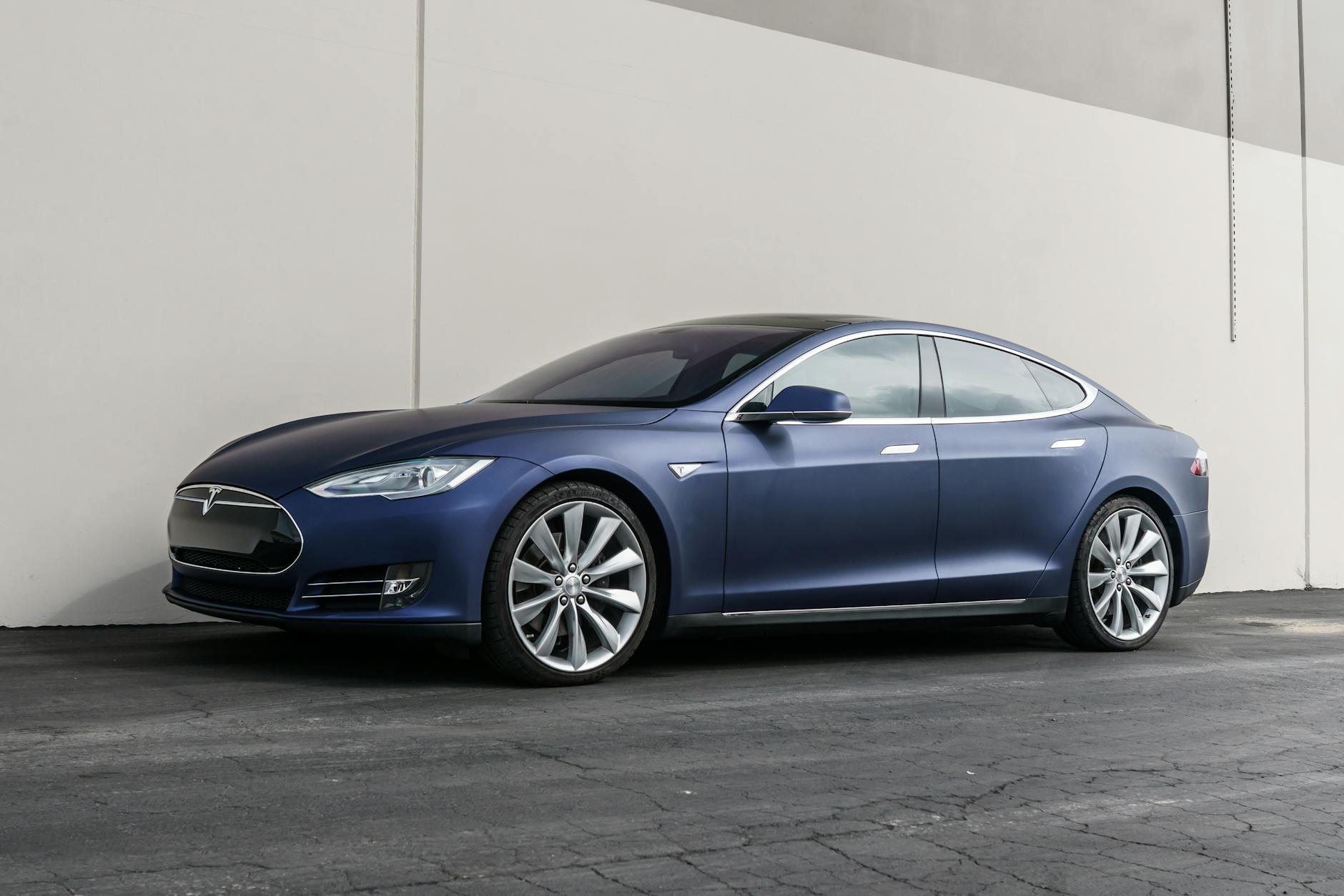
Tesla, Musk's most visible triumph, transformed from a Silicon Valley startup into the world's most valuable automaker. By 2026, its electric vehicles dominate highways, with the Cybertruck and Robotaxi fleets heralding full autonomy. Production scaled dramatically, Cybercab unveilings promised robotaxis by year's end, and energy storage like Megapacks power grids worldwide. Tesla's market cap eclipses traditional giants like Toyota, fueled by Musk's bets on AI-driven Full Self-Driving (FSD) software.
Yet Tesla's ascent is pockmarked by turbulence. Musk's 2018 tweet declaring plans to take the company private at $420 per share—widely seen as a cannabis joke—sparked chaos. The U.S. Securities and Exchange Commission (SEC) sued for securities fraud, alleging misleading statements that tanked shares. Musk settled without admitting wrongdoing, paying $20 million alongside Tesla, stepping down as chairman for three years but retaining CEO duties. Tweets henceforth required legal pre-approval, a leash he chafes against. Shareholders sued over the episode, but a 2023 jury cleared Musk and Tesla.
Controversies persist. Labor disputes, Autopilot crashes under investigation, and Musk's union-busting rhetoric have drawn ire. In 2026, as Tesla pushes humanoid Optimus robots into factories, ethical questions swirl: Will AI displace millions? Musk dismisses such fears, insisting abundance awaits. Tesla's valuation, hovering near $1.5 trillion, reflects investor faith in his vision, but volatility mirrors his temperament.
SpaceX and Starlink: Conquering the Stars and Skies
SpaceX embodies Musk's grandest scale. Falcon 9 rockets land routinely, Starship prototypes edge toward Mars missions, and NASA contracts underpin viability. By 2026, Starship has achieved orbital refueling, paving for lunar bases and red planet outposts. SpaceX's valuation tops $350 billion, bolstered by government deals and private launches.
Starlink, its satellite internet arm, beams connectivity to remote corners, serving 5 million users. During Russia's 2022 invasion of Ukraine, Musk donated terminals at a $400 million annual cost, enabling battlefield communications. Yet he rebuffed Kyiv's requests: refusing to block Russian media, and in 2023, denying Starlink activation over Crimea to avert a Ukrainian assault on the Russian fleet, fearing nuclear escalation. These decisions fueled accusations of neutrality bordering on appeasement.
SpaceX's dominance irks competitors and regulators. FAA delays on Starship launches cite environmental risks from Starlink's mega-constellation, now numbering 6,000 satellites. Musk rails against bureaucracy, tweeting that "government is the ultimate bottleneck." Still, Starlink's revenue surges, projected at $10 billion yearly, funding Mars ambitions.
X: The Free-Speech Fortress
Musk's $44 billion acquisition of Twitter in 2022 was a free-speech crusade. Critical of content moderation, he amassed a 9% stake, rejected a board seat, and bid $54.20 per share. Delays ensued—he tried withdrawing, citing bot data gaps—but he closed the deal, rebranding to X in 2023 as an "everything app."
Changes were seismic: staff slashed 80%, algorithms opened, verification paywalled. Musk pledged to combat spam and authenticate users. Yet hate speech spiked, misinformation proliferated, drawing advertiser exodus. Musk's own posts amplified conspiracies—COVID skepticism, election doubts, even endorsing antisemitic theories before partial retractions. Critics decry X as a toxicity amplifier; defenders hail unfiltered discourse.
By 2026, X rebounds with video, payments, and AI integration, user base stabilizing at 600 million. Political sway grows: Musk's Trump endorsements, later apologized for as "going too far," underscore his influence. X fuels his narrative control, intertwining personal brand with platform fate.
xAI, Grok, and Neuralink: The AI and Brain Frontier
Nine months post-Twitter buy, Musk launched xAI in 2023, training models on X data and public sources. Grok, its witty chatbot rivaling ChatGPT and Gemini, embodies Musk's anti-woke ethos—"maximum truth-seeking." In 2026, xAI becomes a SpaceX subsidiary, leveraging compute for frontier AI. Grok-3 powers X features, from real-time search to image generation.
Musk's AI arc is ironic. He co-founded OpenAI in 2015, quitting over direction. Now, xAI challenges it, amid Musk's warnings of AI doom unless regulated his way. Controversies abound: X data usage raises privacy flags, Grok's humor skirts offensiveness.
Neuralink pushes further, implanting brain chips for paralysis patients. First human trials in 2024 restored cursor control via thought. By 2026, dozens implanted, visions of telepathy beckon. FDA approvals lag amid animal-testing ethics probes, but Musk presses: "The future is indistinguishable from magic."
The Controversy Core
Musk's universe thrives on controversy. Polarizing statements—transphobia affirmations, COVID misinformation, racial conspiracy nods—paint him villain to some, hero to others. SEC clashes, from the 2018 tweet to ongoing probes, underscore recklessness. Political pivots, from Biden critic to Trump ally (then feud), reveal opportunism.
Yet metrics dazzle: Tesla's 2 million annual deliveries, SpaceX's 100+ launches, Starlink's global reach. xAI valuations soar past $50 billion. Neuralink patents multiply. Musk's defenders argue genius demands eccentricity; detractors see a thin-skinned autocrat silencing critics via lawsuits and firings.
Geopolitical tightropes persist. Starlink's Ukraine role highlighted dual-use perils. In 2026, as China tensions rise, Musk's Tesla Shanghai reliance and SpaceX tech exports draw national-security scrutiny.
Interconnected Empire, Fragile Foundations
Musk's firms entwine: X feeds xAI data, Starlink supports SpaceX, Tesla funds all. This synergy amplifies risks— one scandal ripples. Regulatory vise tightens: EU probes X, DOJ eyes Tesla, FCC hounds Starlink.
Musk, 54 in 2026, shows no slowdown. Mars by 2028, AGI via Grok, brain-linked humanity. Critics predict hubris-fueled fall; fans foresee utopia. His universe expands, a gravitational force warping tech's orbit, demanding we confront progress's double edge.
In Musk's cosmos, innovation and infamy orbit eternally. Whether it culminates in multi-planetary splendor or spectacular implosion remains the defining question.