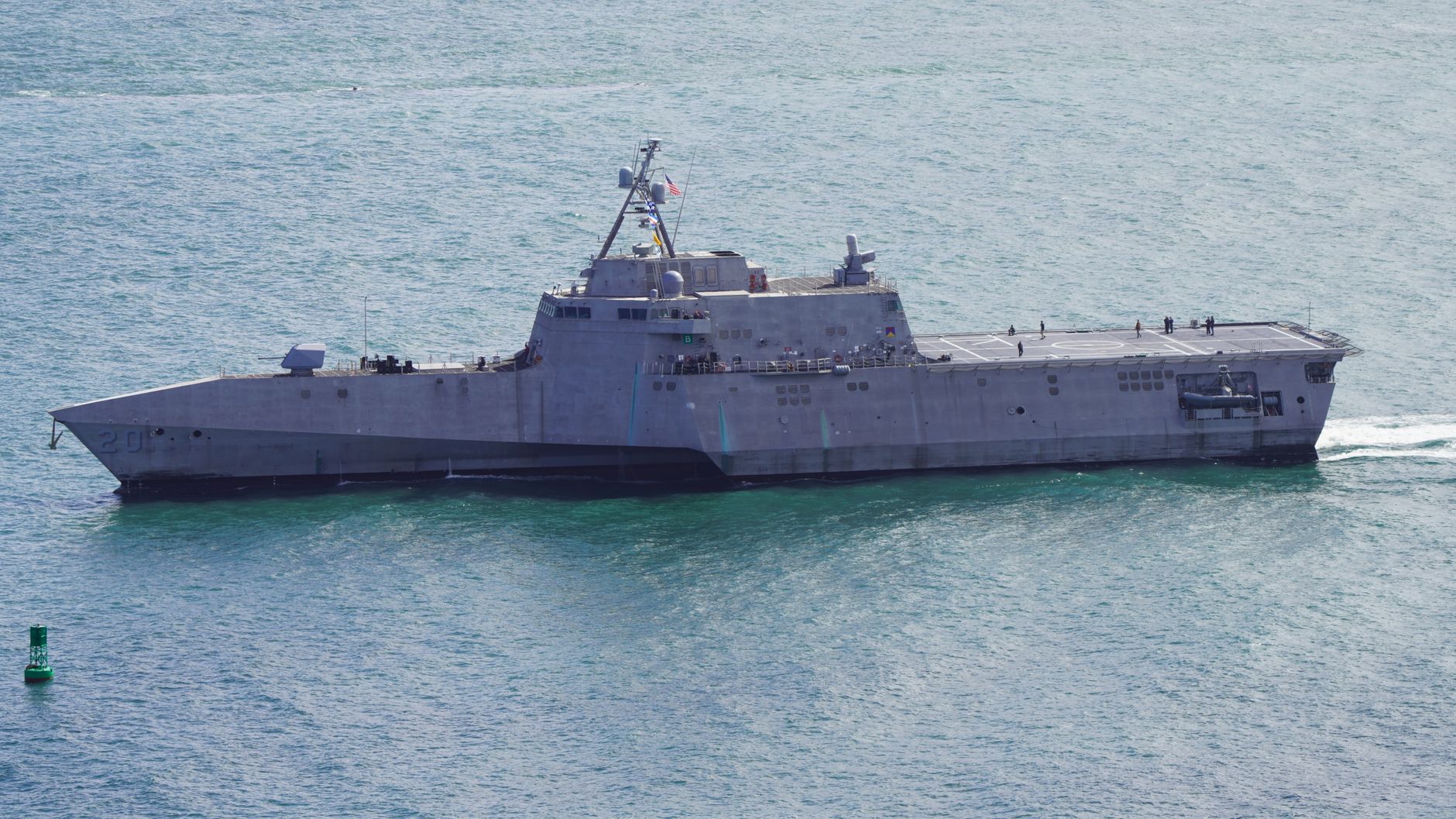
Pacific island nations are rapidly recalibrating their security postures following a significant Chinese missile test in early July 2026, which has pushed the region closer to US-led defense alliances [5]. The test, described as a "push" that brings countries together, underscores the growing intensity of US-China rivalry as the primary driver of political and strategic dynamics in the Asia-Pacific [7]. This event has shattered the previous neutrality of many island states, forcing them to choose sides in a competition that now determines regional security priorities [7].
The missile test is part of a broader pattern of Chinese military assertiveness that includes hardening capabilities in the South Pacific, directly challenging the US-led alliance architecture [3]. As instability persists on the Korean Peninsula and Sino-Russian coordination accelerates, Pacific nations face a dense and potentially unstable environment where systemic escalation remains a high-cost risk [1][3]. The US response has been to enhance collaboration on maritime security and space technology, providing these nations with alternative security guarantees [8].
Foxconn, a major electronics manufacturer, is reportedly set to become the cornerstone of a new project in the region, likely tied to securing supply chains against geopolitical disruption [5]. This economic-military nexus reflects the new reality where economic security and national defense are inseparable, echoing the broader Joint Declaration on Economic Security Cooperation [2]. The presence of such strategic infrastructure in the Pacific signals a long-term commitment to regional influence by both Washington and Beijing.
Inflation forecasts for the Pacific remain high at 4.2% for 2026, with fiscal measures like subsidies deployed to cushion consumers against rising prices driven by global instability [6]. The growth forecast for the Pacific is revised down to 3.3% for 2026, reflecting the dampening effect of conflict-driven import costs on economic activity [6]. As major power competition intensifies, the Pacific is no longer a peripheral zone but a central battleground for geopolitical influence, where every missile test and trade deal reshapes the regional order [7].