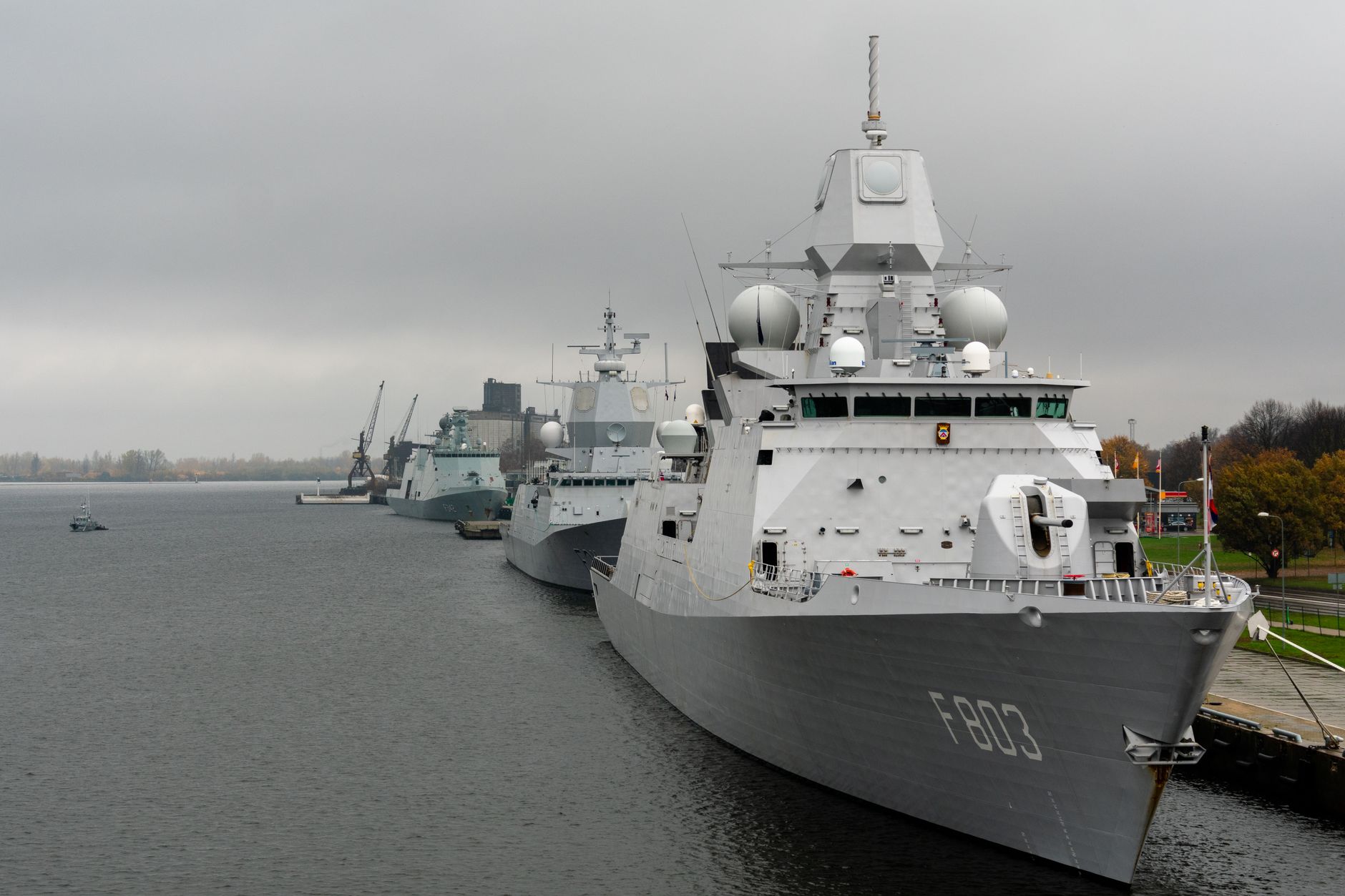
The Asia-Pacific region reels from Iran's strategic maritime blockade of the Strait of Hormuz, now in its third month since Tehran shuttered the vital chokepoint following the death of Supreme Leader Ali Khamenei. Commercial tanker traffic has plummeted over 90%, forcing six U.S.-flagged ships to U-turn on day one and sending energy markets into turmoil. As the world's primary oil artery, the strait funnels 20% of global crude, and its closure has amplified the U.S.-Israel-Iran conflict's ripple effects from the Persian Gulf straight to Asian shores.
Japan and South Korea, heavily reliant on Gulf imports, face acute shortages despite stockpiles. Tokyo reports core machine orders surging 24.7%, a desperate bid to pivot toward domestic tech resilience, while Seoul's stocks lead gains on tech-driven rallies amid the chaos. Beijing leverages its 'electro-state' dominance, deploying advanced electric stack tech like UUVs and drone swarms to secure alternative routes, underscoring a technological divergence that leaves Western petrostates scrambling.
The blockade broadens risks to asymmetric maritime denial, with new Iranian leadership under Mojtaba Khamenei embedding the closure into its defiance of Western pressure. Asia-Pacific economies, already navigating Middle East conflict headwinds, see private consumption hold firm but investments stall under geopolitical strife. U.S. efforts to secure trade lanes falter, prompting whispers of a second round of talks between Washington and Tehran.
Regional security tightens as navies patrol extended lanes, from the Caspian pivot to the Middle Corridor. Azerbaijan's hub status accelerates Western capital flight from Russian routes, but the Persian Gulf's high-risk zone demands agile responses. As Xi Jinping laments a disarrayed international order, Asia eyes resilience in diversified supply chains.