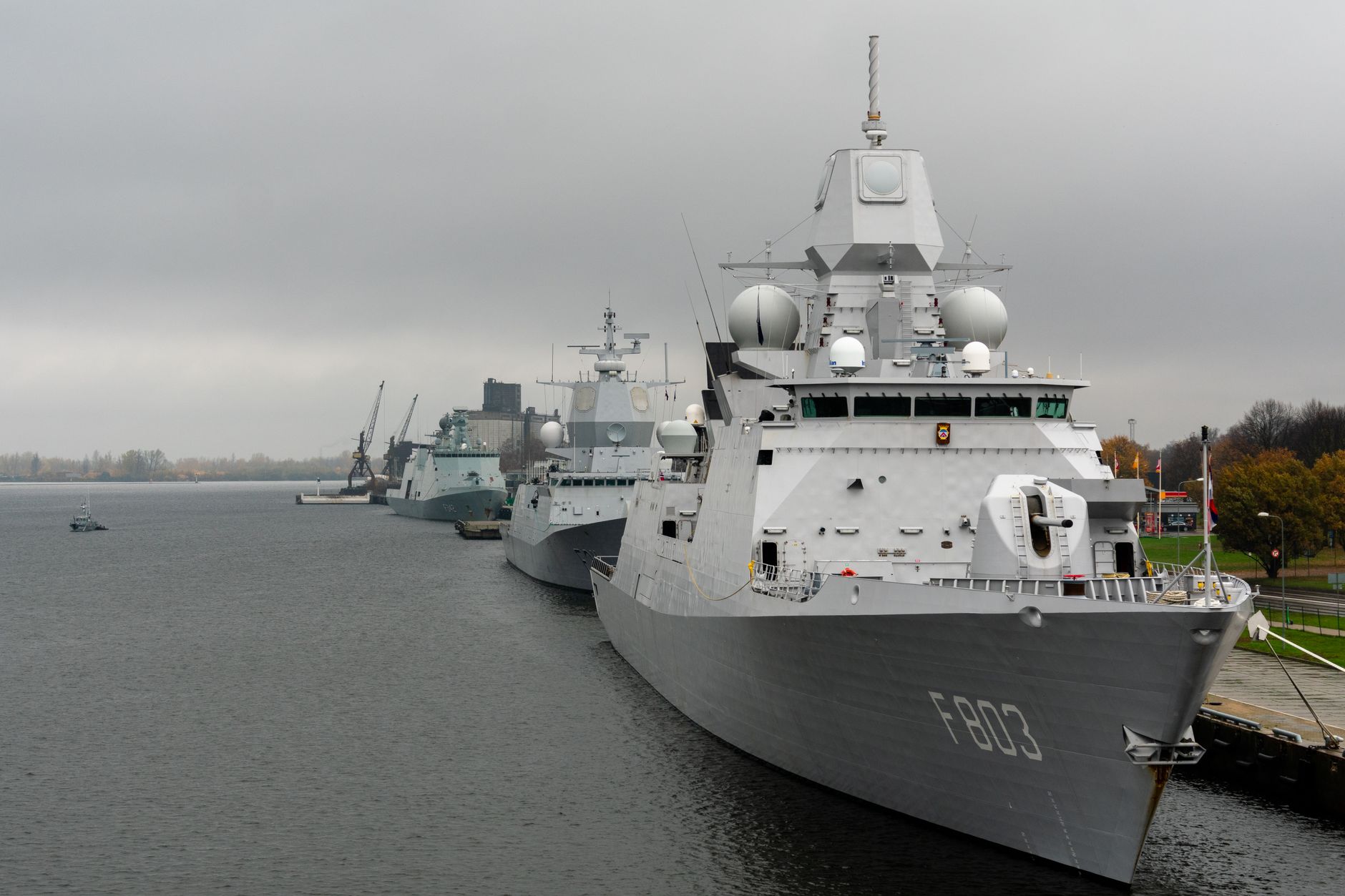
In a bold stroke of muscular diplomacy, President Donald Trump announced Project Freedom Tuesday, dispatching guided missile destroyers, over 100 aircraft, and 15,000 U.S. service members to the Strait of Hormuz. The operation aims to guide stranded merchant ships out of the chokehold imposed by Iran's blockade, which has slashed tanker traffic by more than 90% and triggered energy crises across Asia. Two vessels were struck over the weekend, their crews miraculously safe, but the incidents underscored Tehran's willingness to enforce its naval stranglehold amid fragile ceasefire talks.
Iran's response was swift and scorching: Foreign Ministry spokesmen labeled the U.S. incursion a 'flagrant violation' of the ceasefire, vowing 'proportional countermeasures' that could include mine-laying or missile barrages. This comes as regional powers like Saudi Arabia and the UAE scramble for alternative routes, with LNG prices spiking 40% in Tokyo and Seoul. Trump's calculus appears rooted in domestic political gains—voters battered by pump prices averaging $5.20 a gallon—and a broader strategy to reassert U.S. primacy after years of perceived retreats.
What sparked this crisis? Iran's blockade, initiated weeks ago in retaliation for U.S. sanctions and Israeli strikes on its proxies, has crippled Asia-Pacific energy flows, forcing factories from Shanghai to Singapore to idle. Affected parties span globe-spanning shippers like Maersk, energy giants ExxonMobil, and consumers from California to Karnataka facing rationing fears. Beijing, heavily reliant on Hormuz crude, has quietly urged de-escalation while ramping up Russian imports.
Looking ahead, success for Project Freedom hinges on avoiding direct clashes; U.S. commanders emphasize escorts, not combat, but Iran's Revolutionary Guards lurk with speedboats and submarines. A breakthrough could unlock $100 billion in delayed trade, stabilizing markets, but miscalculation risks a wider war drawing in allies from NATO to the Gulf Cooperation Council. Wall Street dipped 1.2% on the news, betting on volatility over victory.