The Architect of Tomorrow
Elon Musk stands at the helm of an unprecedented constellation of companies, each a bold stroke in his quest to reshape human destiny. From the electric hum of Tesla's factories to the fiery launches of SpaceX rockets, Musk's empire spans social media, artificial intelligence, neurotechnology, and global connectivity. What began with an early stake in PayPal has ballooned into a portfolio valued in the trillions, challenging governments, rivals, and even the laws of physics. Yet, beneath the spectacle lies a web of controversies—labor disputes, market manipulations, political entanglements, and existential risks—that threaten to unravel his grand design.
Musk's journey is one of audacious bets. In 2002, he founded SpaceX to conquer space travel, a domain long dominated by NASA. By 2008, he had assumed the CEO role at Tesla, transforming it from a niche electric-car maker into a symbol of sustainable energy. Neuralink, launched in 2016, pushes the boundaries of brain-machine interfaces. Starlink, SpaceX's satellite internet arm, now beams connectivity to remote corners of the Earth. Then came the 2022 acquisition of Twitter, rebranded as X, a platform Musk envisions as an "everything app." Just nine months later, he birthed xAI, complete with its cheeky AI assistant Grok, trained on X's vast data troves to rival ChatGPT and Gemini.
"The logic being floated around is that Starlink offers an enormous distribution pipeline, helping xAI scale up quickly."
This interconnected universe isn't mere coincidence; it's Musk's deliberate strategy to fuse technologies for exponential impact. Starlink's global reach could supercharge xAI's data hunger, while SpaceX's Starship dreams of space-based computing. Tesla's autonomous driving tech feeds into Neuralink's neural mapping. X serves as the neural network, amplifying Musk's voice and harvesting user insights. But as of April 2026, whispers of mergers—particularly between SpaceX and xAI—signal a potential consolidation ahead of a SpaceX IPO, raising questions about whether this empire will unify or fracture under its own weight.
X: The Digital Town Square in Turmoil
Once Twitter, now X, Musk's $44 billion impulse buy has evolved into a chaotic experiment in free speech and monetization. Renamed in 2023, X aims to transcend social media, incorporating payments, video, and AI. Grok, xAI's flagship, integrates seamlessly, offering users an uncensored alternative to sanitized chatbots. Yet, the platform's value has plummeted amid advertiser exodus, with Musk's provocative posts—endorsing conspiracy theories, clashing with regulators—driving away brands.
Controversies abound. In 2024, X faced lawsuits over content moderation failures, including hate speech surges post-verification overhaul. Musk's amplification of far-right voices drew EU fines under the Digital Services Act. Financially, X bleeds cash, its ad revenue halved since acquisition. Still, user numbers climb, fueled by Grok's wit and X's lax policies. Critics argue it's less a public square than Musk's personal megaphone, intertwined with his political pivot toward right-wing causes, including reported ties to a potential Trump administration role via DOGE—a government efficiency initiative blending memes with policy.
Analytically, X fuels the empire: its data trains Grok, whose rapid adoption—millions of daily queries—positions xAI as an AI contender. But the platform's volatility underscores Musk's risk tolerance; what he calls "maximum truth-seeking" others deem reckless amplification of misinformation.
Tesla: From Unicorn to Behemoth, Besieged
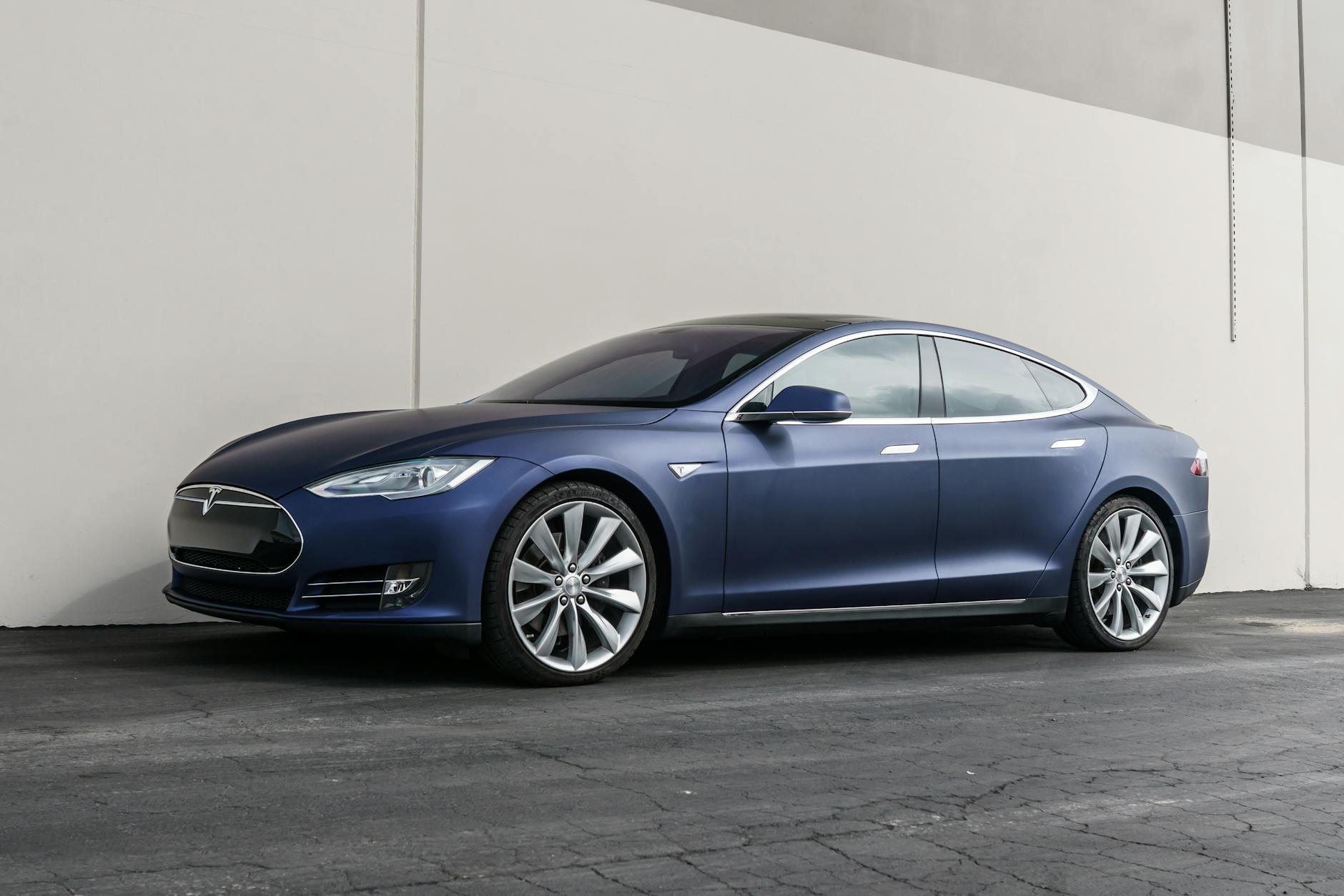
Tesla remains Musk's crown jewel, a $1 trillion-plus juggernaut dominating electric vehicles and energy storage. By 2026, Cybertrucks roam highways, Robotaxis promise autonomy, and Megapacks power grids worldwide. Musk's early funding evolved into stewardship through near-bankruptcies, culminating in Tesla's 2020 market cap explosion. Innovations like Full Self-Driving (FSD) beta and Optimus humanoid robots position Tesla as an AI-robotics leader.
Yet, scandals erode the sheen. Autopilot crashes prompted NHTSA probes, with 2025 fatalities reigniting debates over hype versus reality. Labor woes persist: union-busting allegations, Fremont factory injuries, and Musk's anti-union tweets drew NLRB charges. Market manipulations—tweets pumping Dogecoin or Tesla stock—invited SEC scrutiny, including a 2023 settlement over solar roof claims. Environmentally, Tesla's cobalt mining ties face ethical firestorms.
Financially robust, Tesla's 2026 margins strain under price wars with BYD and legacy automakers. Musk's divided attention—SpaceX launches, X feuds—sparks shareholder ire, with calls for his ouster. Still, Tesla's vertical integration, from batteries to software, exemplifies Musk's genius for scalable disruption.
SpaceX and Starlink: Rockets, Satellites, and Cosmic Ambitions
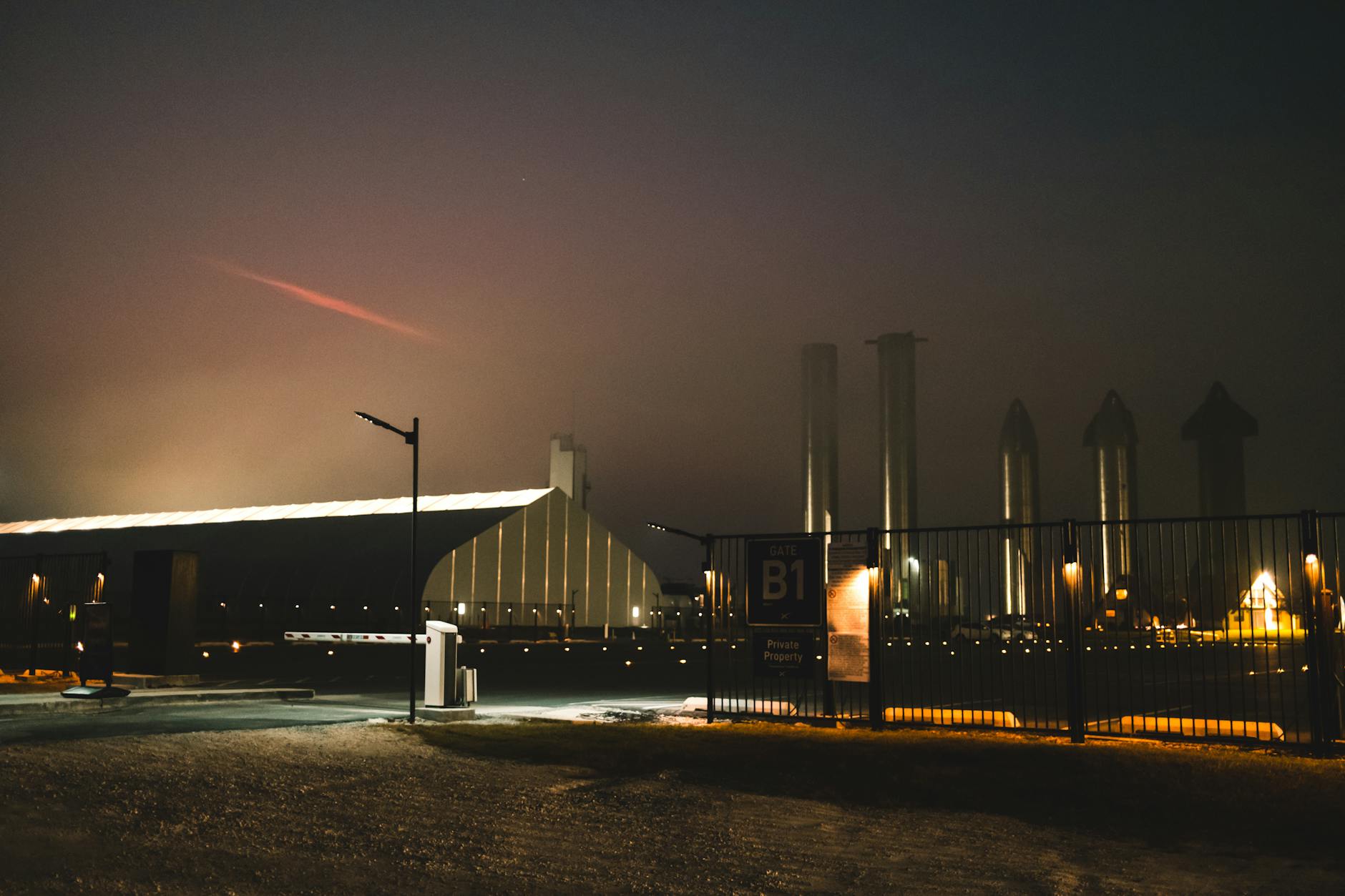
SpaceX revolutionized rocketry with reusable Falcon 9s, slashing launch costs and securing NASA contracts. Starship, the fully reusable behemoth, eyes Mars colonization; by 2026, orbital refueling tests pave the way. Starlink's 6,000+ satellites deliver broadband to 5 million users, from Ukraine battlefields to Alaskan villages, generating billions in revenue.
Controversies shadow the ascent. Starlink's Ukraine aid turned contentious when Musk throttled service near Crimea, citing escalation fears. Astronomers decry satellite constellations for light pollution, hampering telescopes. FAA launch delays frustrate Musk, who sues the agency. Employee dissent—firings over open letters—mirrors Tesla's culture.
Recent buzz centers on SpaceX-xAI synergy. Reports of merger talks pre-IPO highlight Starlink's pipeline for Grok deployment and Starship's potential for orbital data centers. Palantir co-founder Joe Lonsdale quips bluntly on the prospect, praising growth but cautioning against over-consolidation: focus trumps scale in Musk's playbook.
xAI and Grok: AI's Rebellious Prodigy
xAI, minted in 2023, leverages X data for Grok, an AI blending humor with unfiltered responses. By 2026, Grok powers X Premium, rivals OpenAI in benchmarks, and inks deals with enterprises. Yet, scaling incurs pain: quarterly sales hit $107 million, but losses ballooned to $1.46 billion, with $7.8 billion burned in nine months.
Ethical qualms arise. Training on X data raises privacy flags, echoing EU GDPR clashes. Grok's "anti-woke" stance invites bias accusations, while Musk's OpenAI feud—co-founder turned nemesis—fuels talent wars. Merger with SpaceX could provide compute muscle via Starlink, but Lonsdale warns: economics must align.
Neuralink: Merging Man and Machine
Neuralink's brain implants, first human-trialed in 2024, enable quadriplegics to control devices via thought. By 2026, dozens implanted, with telepathic gaming demos dazzling viewers. Musk envisions curing paralysis, enhancing cognition, even AI symbiosis.
Risks loom large. FDA delays cited safety; animal testing deaths sparked PETA protests. Long-term effects—brain rejection, hacking vulnerabilities—remain unknown. Musk's hype, promising superhuman intelligence, courts overpromising critiques.
Controversies: The Human Cost of Visionary Pursuit
Musk's empire thrives on controversy. Personal life—11 children, trans daughter estrangement—fuels tabloid frenzy. Political shifts, from Biden critic to Trump ally, alienate left-leaning fans. SEC battles, defamation suits (e.g., Thai cave diver), and weed-smoking episodes erode gravitas.
Workplace cultures breed toxicity: SpaceX engineers allege discrimination; Tesla suits claim racism. Musk's 120-hour weeks demand fealty, with mass firings post-acquisitions. Financial opacity—private valuations, debt loads—invites skepticism.
Globally, Starlink's dominance irks regulators; Tesla's China reliance geopolitical tinderbox. As DOGE rumors swirl, Musk eyes Washington influence, blending business with governance.
The Merger Horizon and Future Bets
SpaceX-xAI talks crystallize tensions. Starlink's revenue funds Grok's compute thirst; space compute beckons. Lonsdale's take: bullish on synergy, wary of mega-mergers. Tesla integration looms, perhaps folding Optimus into xAI.
Musk's universe bets on accelerationism: faster innovation averts AI doom, climate collapse, extinction. Critics see hubris; a lone figure wielding godlike power. By 2026, valuation tops $1.5 trillion across entities, but losses mount—xAI's burn rate a microcosm.
Ultimately, Musk defies gravity. His empire, flawed and ferocious, propels humanity starward. Whether it endures scandals, sustains losses, or merges into singularity depends on one man's inexhaustible drive. In an era of faltering titans, Musk's gamble endures as capitalism's boldest canvas.