The Anime Avalanche Reshaping Asia
In the bustling comic markets of Hong Kong and the animation studios of Taipei, Japanese manga and anime have become more than entertainment—they are the blueprint for a regional cultural renaissance. Since the 1980s, artists across Asia have absorbed the stylistic hallmarks of Japan's output: dynamic panel layouts, intricate character designs, and narratives blending high-stakes action with introspective depth. Hong Kong filmmakers, for instance, have transposed manga tropes into live-action spectacles, turning tales like City Hunter into box-office juggernauts that fused bullet-time choreography with Cantonese flair. In Taiwan, television dramas owe their serialized cliffhangers and emotional intensity to anime precedents, creating a feedback loop where local creators riff on Japanese originals while infusing Confucian family dynamics.
This influence extends deep into youth culture. Japanese characters adorn billboards from Manila to Mumbai, hawking everything from bubble tea to smartphones. Businessmen in Southeast Asia leverage Pokémon mascots to sell noodles, while teenagers in Jakarta devour One Piece bootlegs, debating Luffy's pirate ethos in online forums. The result? A perceptual shift: Japan, once a wartime adversary, is now synonymous with cool escapism. As one Hong Kong comic artist noted in a seminal study, "Japanese manga has played a role in changing the youth culture and people’s perception of Japan in Asia." This soft power has economic teeth—the anime industry, projected to hit $69.8 billion globally by 2032, funnels billions back into Asian merchandising hubs like Thailand's Akihabara knockoffs.
"Japanese influence is extremely strong in Asian comics and animation, particularly in Hong Kong and Taiwan."
Yet this dominance isn't unidirectional. Asia pushes back with hybrid vigor. China's donghua, inspired by Slam Dunk, shattered box-office records in 2025 with its movie adaptation, raking in $14.46 million in presales on premiere day alone. These animations marry anime's fluidity with wuxia martial arts, captivating a generation of Chinese youth who view Japanese imports as both muse and rival.
K-Pop and K-Drama: Korea's Counter-Melody
Enter South Korea, where K-pop and K-drama have emerged as Asia's riposte to anime hegemony. BTS and Blackpink don't just top charts; they orchestrate a cultural diplomacy that rivals Japan's. In 2025, Yoasobi's anime-tied hit "Idol" from Oshi no Ko climbed Billboard's Global Chart, but K-pop acts like NewJeans collaborated with anime studios for crossover music videos, blending J-pop synths with Seoul's glossy choreography. This synergy is no accident—Korean idols train in styles echoing anime's exaggerated expressiveness, their fan armies (ARMYs, BLINKs) mirroring otaku devotion.
K-dramas amplify this. Series like Squid Game and its 2026 spiritual successors draw from manga's survival-game archetypes—think Battle Royale—but layer in Korea's hyper-competitive society and chaebol intrigue. Broadcast across Asia via Netflix, they hook viewers in Indonesia and the Philippines, where dubbed episodes spark street food trends and couple-matching cafes. In Oceania, Australian binge-watchers in Sydney's Koreatowns debate plot twists over kimchi ramen, a dish popularized by both anime and K-drama visuals. The numbers tell the tale: 44% of U.S. Gen Z watches anime, but in Asia, K-content claims 60% of streaming hours among 18-24-year-olds, per recent Nielsen data.
Economically, it's a powerhouse. K-pop's global merchandising rivals anime's $2.07 billion projected market by 2030, with conventions like Japan Expo now featuring K-pop stages alongside cosplay. But tensions simmer: Korean creators accuse Japanese studios of IP poaching, while Tokyo fans decry K-pop's "manufactured" idols versus anime's auteur-driven stories.
Asian Cinema's Bold Hybrids
Cinema serves as the proving ground for this fusion. Bollywood has long flirted with anime—Dragon Ball inspired dance sequences in Mumbai blockbusters—while Thai horror like Shutter echoes manga's ghostly aesthetics. In 2025, a Vietnamese anime adaptation of folk tales topped regional charts, its hand-drawn ghosts blending Studio Ghibli whimsy with communist-era grit. Oceania chimes in too: New Zealand's Māori filmmakers incorporate anime's environmental themes from Princess Mononoke into indigenous narratives, screening at Auckland's Asia-Pacific festivals.
Japan itself evolves through this mirror. Tokyo directors like Makoto Shinkai (Your Name) absorb K-drama romance arcs, while Cowboy Bebop's jazz-noir vibe nods to Westerns yet dominates Asian streaming. The cross-pollination peaks in co-productions: a 2026 Japan-Korea anime about esports, fusing Naruto's training montages with K-pop idol training, is already hyped as the next billion-yen earner.
Tokyo Street Culture: The Pulsing Heart
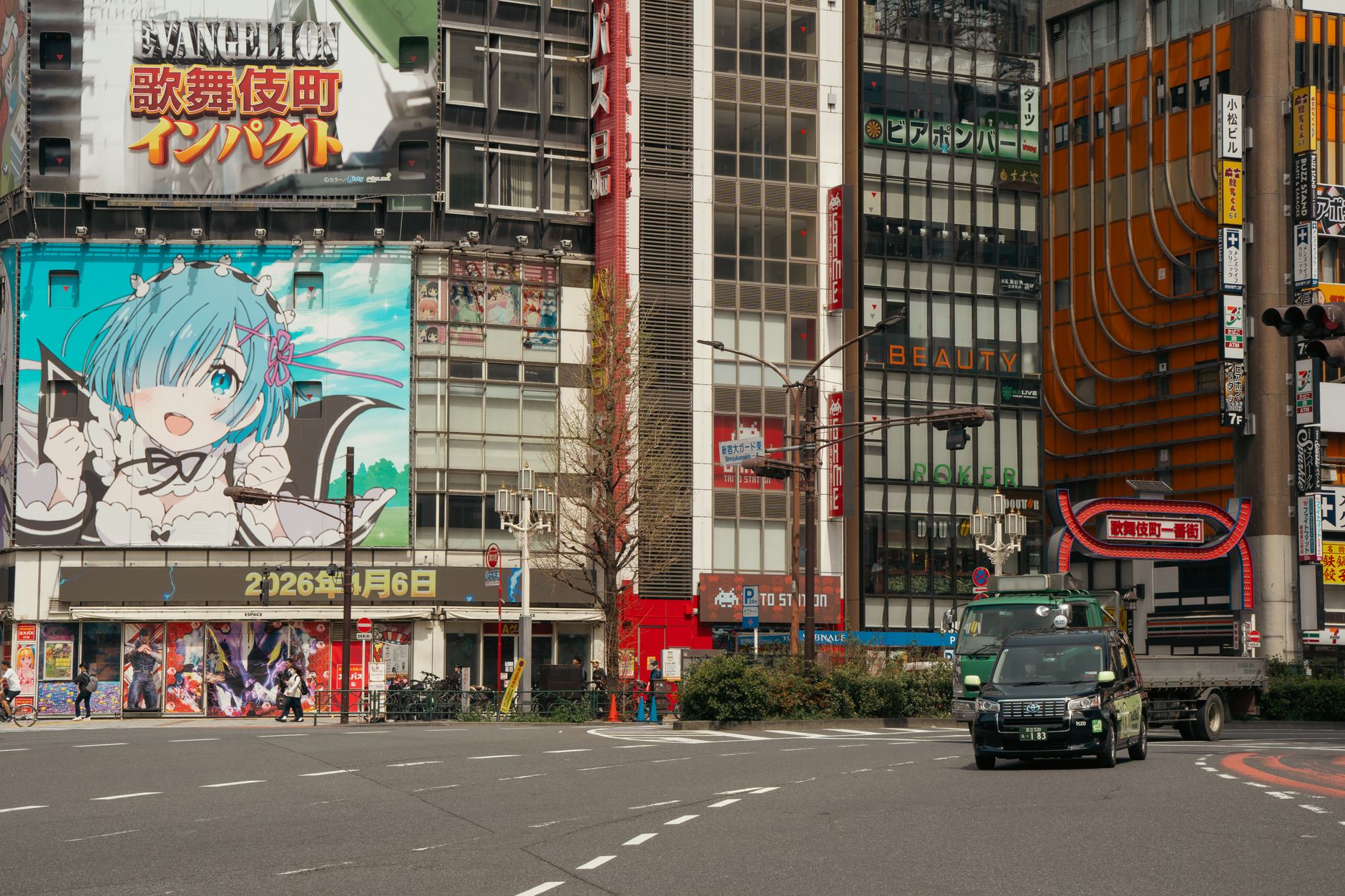
No discussion of this wave omits Tokyo's streets, the primal source. Harajuku's cosplayers, Shibuya's scramble crossing dancers, Akihabara's maid cafes—these are anime incarnate. Street fashion, once a youth rebellion, now exports via TikTok: #animefood racks up 500 million views, with global teens recreating onigiri from Naruto or ramen from Your Lie in April. In Asia, this manifests in Bangkok's otaku districts and Singapore's manga cafes, where salarymen unwind with Attack on Titan volumes.
Technology supercharges it all. VR anime experiences in Tokyo's arcades let users "enter" Demon Slayer worlds, while AI tools in Seoul generate K-pop avatars styled like manga heroines. Oceania's tech hubs, like Melbourne's game devs, produce anime-inspired apps that gamify K-drama dating sims. This digital nexus—streaming on Crunchyroll, Funimation, Netflix—democratizes access, turning passive viewers into creators. TikTok clips of Filipino fans cosplaying BTS as Jujutsu Kaisen sorcerers go viral, bridging divides.
"Anime has acted as a bridge between Japanese culture and the world, introducing art, food, music, and storytelling mastery."
The Tech Culture Catalyst
Underlying this is Asia's tech obsession. Japan's Sony and Bandai Namco pioneer motion-capture for hyper-realistic anime, while Korea's Kakao and Naver stream K-dramas with AI subtitles in 20 Asian languages. In Oceania, Australia's Atlassian powers fan wikis dissecting plot intricacies. Blockchain NFTs of manga panels fetch fortunes in Singapore auctions, and metaverse concerts feature virtual K-pop idols dueting anime OSTs.
Gen Z, 44% anime consumers in the West but near-universal in Asia, drives this. They wield tech not just to consume but to remix: Chinese donghua apps let users customize episodes, Indonesian TikTokers fuse K-pop dances with JoJo's Bizarre Adventure poses. The economic ripple? Anime conventions like SunnyCon draw 100,000 in Europe, but Asia's versions—Comic Con India, Thailand Comic Con—dwarf them, blending stalls for One Piece figs with BTS merch.
Challenges and the Road Ahead
For all its vibrancy, cracks appear. Piracy siphons billions; cultural appropriation debates rage—Western TikTok "animefood" often butchers recipes, offending purists. In Asia, governments fret over "Japanification": Indonesia bans certain manga for moral reasons, while China caps foreign anime hours to boost donghua.
Creative sovereignty hangs in balance. Anime's bravery—tackling death, identity sans market pandering—inspires, but K-pop's idol system breeds burnout. As one creator observes, anime's hallmark is "an approach to storytelling not influenced by marketplace considerations." Can Asia sustain this amid streaming giants' algorithms?
Optimism prevails. Hybrids like Indonesia's Battle of Surabaya, an anime WWII epic, claim local myths while honoring Japanese style. Oceania's Polynesian studios eye similar paths. By 2030, this pan-Asian pop engine could eclipse Hollywood, powered by youth who see no borders—only shared pixels and beats.
In Tokyo's glow, Seoul's stages, and Sydney's screens, a new cultural commonwealth emerges. Anime lit the fuse; K-pop fanned the flames. Asia's storytellers, once borrowers, now orchestrate the symphony.