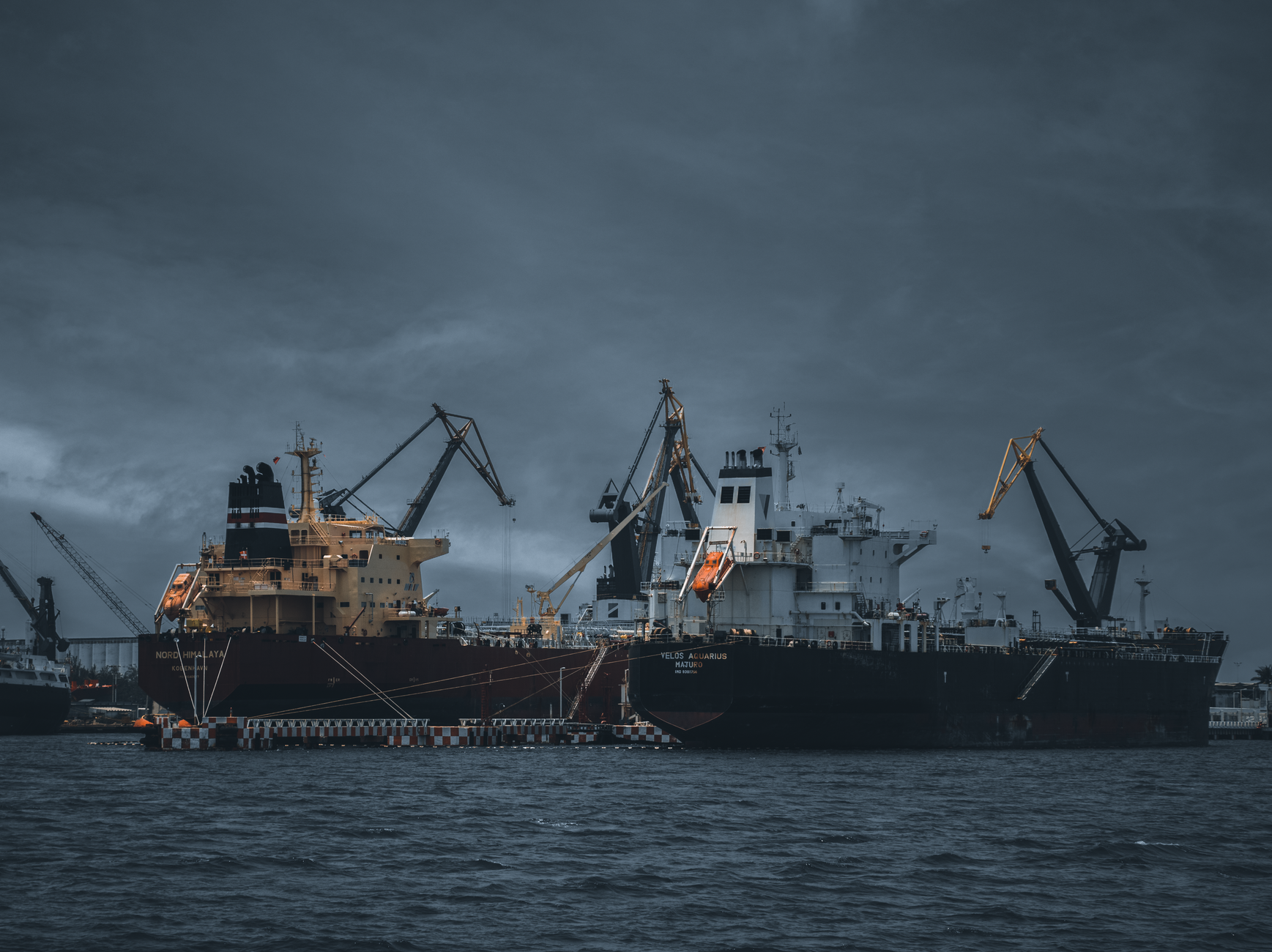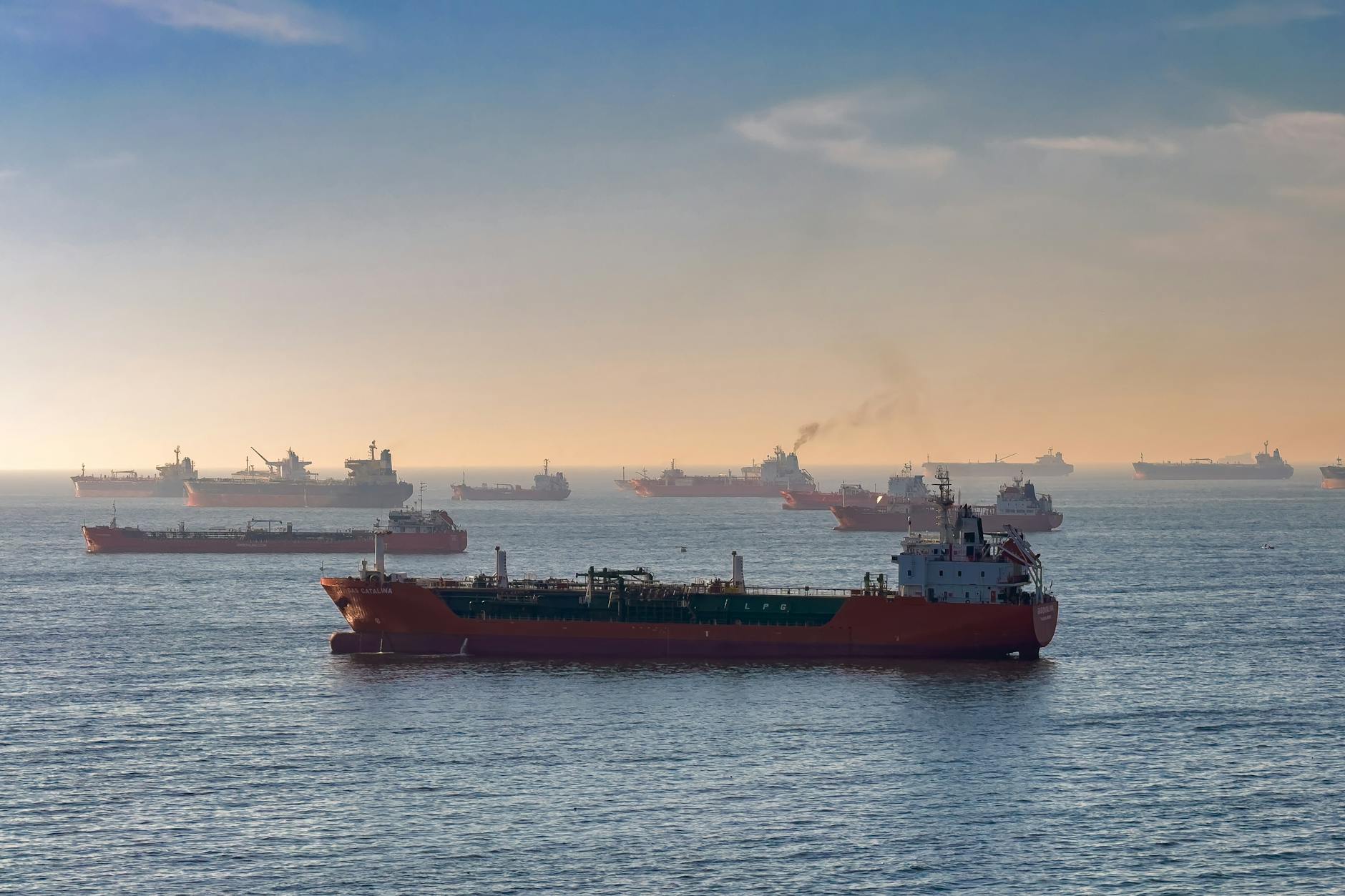
The Asia-Pacific's economic engine is sputtering under the weight of distant Middle East fires. A fresh UN Economic and Social Survey flags rising energy and food prices, weaker global demand, and severed trade routes as growth killers, with the ongoing Iran conflict amplifying uncertainties. Container freight volatility from Hormuz and Suez disruptions has buyers scrambling amid higher costs and delays.
Over half of Asia's naphtha imports—vital for ethylene and vinyls chains like PVC—snake through the Strait of Hormuz, now a daily geopolitical minefield post-military strikes on Iran. Producers, traders, and downstream users in the PVC market brace for three grim futures: prolonged disruptions, rerouted shipping, or fragile reopenings that barely restore pre-crisis flows.
China, more resilient than neighbors, reaps some benefits from the chaos but still eyes energy security warily. Xi may nudge Trump at the summit to lift Iran-related sanctions and reopen Persian Gulf trade, though ending the war isn't his top ask. The U.S. blockade of Iranian ports and Tehran's Hormuz closures exacerbate PRC vulnerabilities.
Broader trade shifts compound the pain. Southeast Asia surges as a manufacturing hub, absorbing work from China and exporting to the U.S., but questions linger over transshipment schemes dodging tariffs. ASEAN's rapid trade growth positions it as a global connector, yet Hormuz risks expose the fragility of geopolitically reshaped supply chains.
As Trump meets Xi, Asia-Pacific leaders demand resilience strategies. AI infrastructure and critical minerals controls intensify, with U.S.-aligned flows driving semiconductor booms—but all vulnerable to energy shocks from afar.