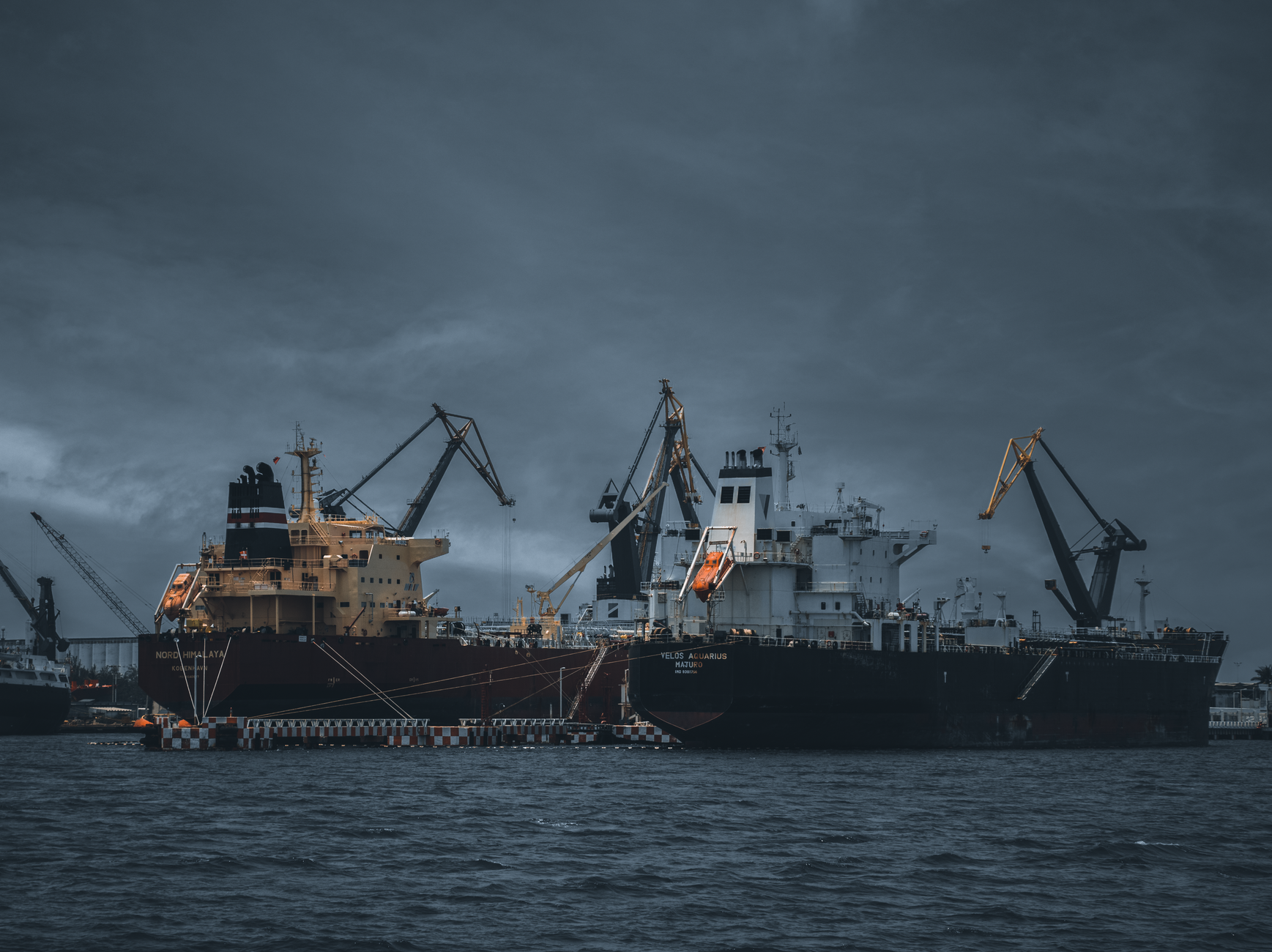
Southeast Asia's trade statistics from 2025 look spectacular on a spreadsheet. ASEAN imports of equipment and manufacturing inputs surged as the region absorbed processing work once concentrated in China. Exports of finished goods to the United States climbed sharply. Trade analysts crowned the region as a global connector and the big winner from tariff-induced supply chain realignment. But beneath the headline numbers lurks a harder truth: much of this boom may be illusory.
McKinsey's latest geopolitical trade analysis raises an uncomfortable question that regional policymakers are only beginning to ask. How much of ASEAN's apparent manufacturing shift reflects genuine industrial development, and how much is minimal final assembly or even transshipment—passing Chinese-origin goods along with just enough modification to meet tariff rules? The distinction matters enormously. Genuine manufacturing creates sustained employment, builds technical capacity, and anchors regional growth. Transshipment is a temporary arbitrage play that collapses the moment tariff rules tighten.
The Philippines and Indonesia, which have celebrated inbound investment, face particular risk. Their success in attracting electronics assembly and equipment imports depended on the pricing advantage created by U.S. tariffs on China. If the Trump-Xi summit produces a trade de-escalation—and recent signals suggest both sides want to avoid reigniting tensions—tariff walls could lower. Chinese exports of finished goods might resume their direct path to U.S. ports. The assembly plants, the supply contracts, and the jobs would follow.
Regional economists are torn between optimism and foreboding. Trade growth exceeded global GDP growth in 2025, and ASEAN's role as an alternative to China-dependent supply chains remains strategically valuable. Yet companies require both long-term planning and agility—exactly what tariff volatility makes impossible. India has gained ground in selected sectors, benefiting from similar dynamics. But the durability of these gains depends on decisions being made in Washington and Beijing, in rooms where Jakarta and Manila have no seat at the table. The Shangri La dialogue will test whether regional voices can shape the tariff trajectory or whether they'll simply absorb shocks imposed from above.