Neon Crossroads: Tokyo's Enduring Grip on Asian Imagination
In the flickering glow of Shibuya's scramble crossing, where salarymen jostle with cosplayers and tech-savvy teens scroll through holographic ads, Tokyo embodies the chaotic heartbeat of modern Asia. This is no mere Japanese enclave; it's the epicenter of a cultural tsunami that has reshaped youth identities from Seoul to Sydney. Manga and anime, once dismissed as niche distractions, now propel Japan's soft power, influencing K-pop choreography, Thai street fashion, and Indonesian cinema narratives. By 2026, this influence has evolved into a bidirectional flow, with Asian creators remixing Japanese tropes into hybrid forms that dominate global streaming charts.
Japan's pop culture exports have long dominated East and Southeast Asia. Manga, with its distinctive panel layouts and emotional depth, saturates markets from Taiwan to Thailand, where local editions outsell domestic comics. Anime, the animated counterpart, commands screen time: in Hong Kong shops, Japanese series fill 80-90% of animation shelves, dwarfing Disney. This hegemony stems not from coercion but allure—stories of underdog heroes and intricate worlds that resonate with Asia's own tales of resilience amid rapid modernization.
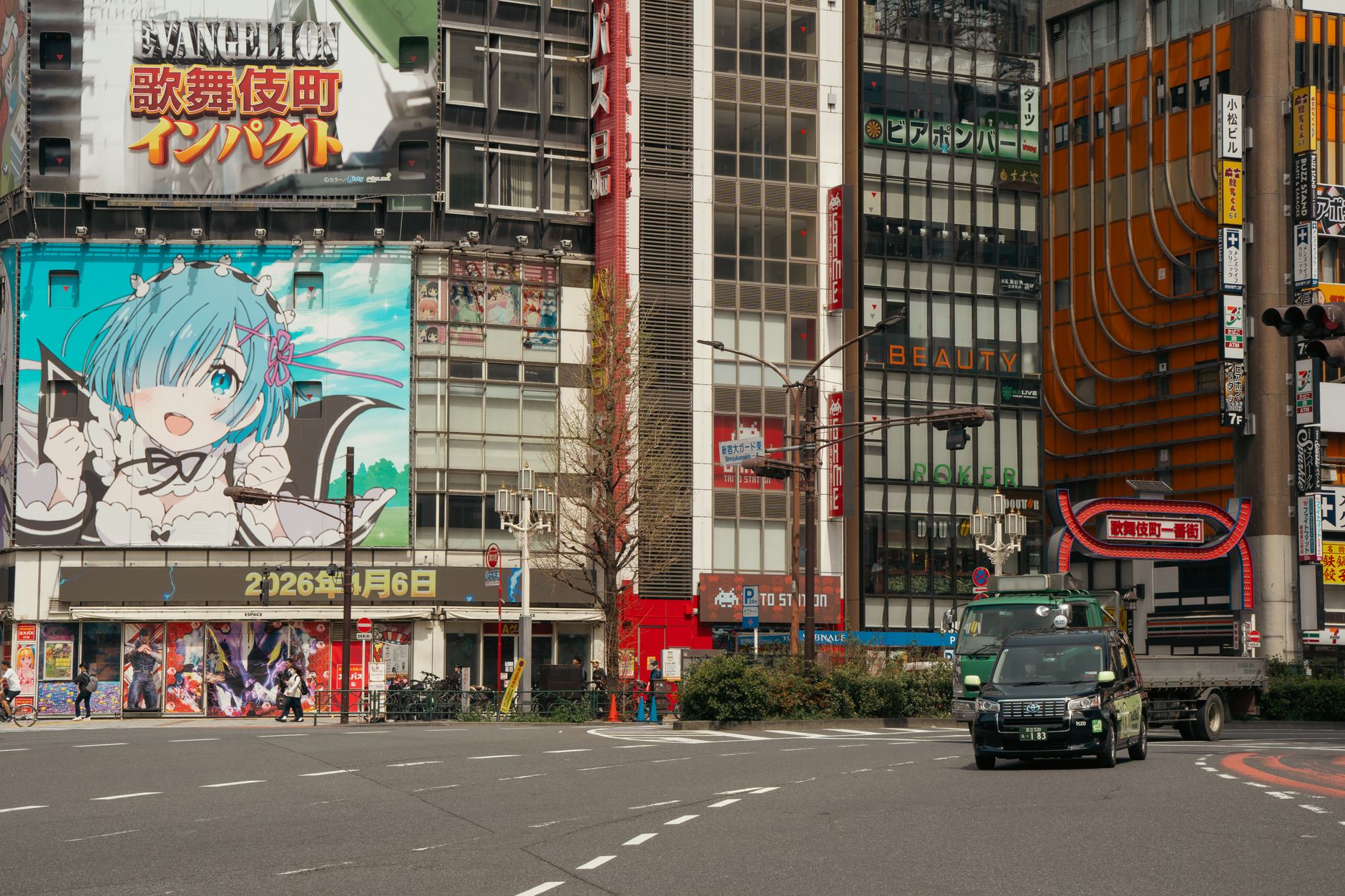
Yet Tokyo's street culture amplifies this reach. Harajuku's fashion tribes, blending Lolita frills with punk edges, inspire K-pop idols' wardrobe choices. Akihabara's otaku dens, packed with maid cafes and gadget emporiums, export a tech-infused geekdom that finds echoes in Manila's comic cons and Melbourne's anime festivals. Technology culture here is visceral: augmented reality overlays on manga pages, AI-generated fan art, and VR idol concerts that blur lines between creator and consumer.
"Japanese comics and animation have a strong impact on Asian popular culture and entertainment industry, in particular movies and television dramas."
This impact manifests in subtle appropriations. Hong Kong filmmakers adapt manga plots into live-action spectacles, infusing them with Cantonese flair. Across the region, Japanese aesthetics seep into everyday life: Pokémon plushies dangle from Jakarta taxis, Hello Kitty adorns Sydney skateboards.
The K-Wave Countercurrent: Seoul's Remix of Japanese Roots
While Japan sets the tempo, South Korea dances its own rhythm. K-pop, with its precision choreography and glossy production, owes a stylistic debt to anime's exaggerated expressions and manga's idol archetypes. Groups like BTS and Blackpink channel the emotional intensity of shonen battles into synth-pop anthems, their music videos echoing One Piece's epic scopes. K-dramas, too, borrow narrative structures—romantic triangles lifted from shojo manga—packaging them with hanbok twists for global binge-watchers.
Seoul's street culture mirrors Tokyo's but with a fiercer edge. Myeongdong's beauty stalls hawk K-beauty inspired by anime's flawless heroines, while Hongdae's indie scenes pulse with fusion acts blending J-rock riffs and trot traditions. Tech culture thrives in Gangnam's startup hubs, where apps like Snow filter selfies into manga-style avatars, bridging virtual idols with real-world fandoms.
This exchange is economic dynamite. Anime's $28 billion market spills over, fueling K-entertainment conglomerates like HYBE and SM, which now co-produce with Japanese studios. In 2026, crossovers abound: joint anime-K-drama series stream on platforms like Netflix Asia, drawing 500 million views quarterly.
Oceania's Otaku Outposts: From Sydney to Suva
Further afield, Oceania absorbs these currents through diaspora and digital pipelines. Sydney's Japan Festivals swell with cosplay parades, where Maori youth don Sailor Moon outfits alongside Aboriginal dot art motifs. In New Zealand, anime clubs remix Studio Ghibli's environmentalism with local lore, birthing indie films like Moana-inspired fantasies.
Pacific islands, often overlooked, harbor vibrant scenes. Fiji's Suva markets brim with bootleg manga, fueling youth escapism amid climate woes. Australian tech bros in Melbourne hack anime engines for VR games, exporting them back to Tokyo. This periphery pulse underscores anime's universality: themes of harmony with nature and technological hubris speak to Oceania's island vulnerabilities.
Cinema's Shared Canvas: Asian Directors Reclaim the Frame
Asian cinema, long in Hollywood's shadow, now flourishes on Japanese scaffolding. Bong Joon-ho's Parasite echoes manga's class-war sagas, while Thailand's Apichatpong Weerasethakul weaves anime-like dream logic into arthouse triumphs. Indonesia's Joko Anwar channels horror manga into box-office hits, blending Uzumaki spirals with gamelan dread.
Tokyo's influence peaks in animation dominance: Japan supplies 90% of foreign anime in Thailand and South Korea. Yet reciprocity grows. Korean animators, trained on Japanese techniques, craft Tower of God, a global smash that flips power dynamics. Chinese studios, post-censorship easing, produce Link Click, manga's time-bending tropes reimagined with wuxia flair.
Street culture infuses these films. Directors embed Tokyo's gyaru gangs into narratives, symbolizing rebellion. Tech elevates it: AI-assisted storyboarding speeds production, democratizing cinema from Bollywood backlots to Bollywood.
"Anime and manga have transformed into a global phenomenon... bolstering the Japanese economy [and becoming] one of Japan’s most effective tools for cultural diplomacy."
Tech Alchemy: Gadgets and Algorithms Fuel the Frenzy
Technology culture is the secret sauce. Tokyo's Akihabara birthed the smartphone boom, now powering fan apps that translate manga in real-time. Neural networks generate doujinshi—fan comics—at conventions like Comiket, where 750,000 attendees trade AI art last year.
In Asia, this sparks innovation cascades. Singapore's tech parks host anime VR hackathons; Vietnam's Ho Chi Minh City startups build metaverse K-pop concerts. Oceania's Melbourne hosts Asia-Pacific AI film fests, fusing Japanese robotics with Aussie game dev.
Challenges loom: IP battles rage as bootlegs flood Shopee, and deepfakes threaten idol authenticity. Yet the synergy endures, with blockchain NFTs securing creator rights in Seoul galleries.
Street Symphony: Youth Culture's Transnational Beat
Tokyo's streets are the laboratory. Shibuya's fashion evolves hourly—decora overload meets cyberpunk chrome—inspiring Seoul's streetwear drops and Bangkok's Chatuchak stalls. Tech weaves in: AR glasses overlay anime filters on passersby, turning commutes into live manga panels.
This culture migrates fluidly. Indonesian influencers cosplay in Jakarta's Thamrin alleys; Aussie skaters tag anime graffiti in Bondi. K-pop dance crews in Manila malls mimic Tokyo's para-para, blending with hip-hop flair.
The result? A pan-Asian youth aesthetic: hybrid, hyper-connected, defiant of borders. Social media accelerates it—TikTok challenges mash Demon Slayer swordplay with K-drama swoons, amassing billions of views.
Soft Power's Double Edge: Diplomacy in Drawn Lines
Japan's cultural diplomacy shines. Anime ambassadors like Doraemon foster goodwill, softening historical tensions. Leaders from Manila to Canberra invoke Pokémon in summits, easing trade talks.
But it's mutual. K-dramas humanize Korea post-imperial scars; Thai BL series export queer narratives with Japanese bishonen polish. In Oceania, anime aids integration, with Pacific migrants finding community in fandoms.
Risks persist: cultural homogenization fears rise as Tokyo styles swamp local traditions. Critics decry 'Japanification,' yet hybrids prove resilient—Manga with Balinese shadow puppetry, K-pop infused with didgeridoo drones.
The Horizon: A Pixelated Pan-Asia
By 2026, Asia and Oceania form a cultural superorganism. Streaming giants like Disney+ Asia prioritize regional co-productions: Tokyo-Seoul anime musicals, Bangkok-Melbourne cyber-thrillers. Tech frontiers beckon—quantum computing for infinite manga worlds, neural implants for immersive K-dramas.
Tokyo's street pulse endures as catalyst, but the revolution is collective. From Harajuku to Itaewon, youth forge identities unbound by flags. This fusion not only entertains but redefines power: soft, shared, unstoppable.
In Shibuya's endless night, a cosplayer snaps a selfie, tagging fans from Perth to Phnom Penh. The circuit completes—culture's ultimate loop.