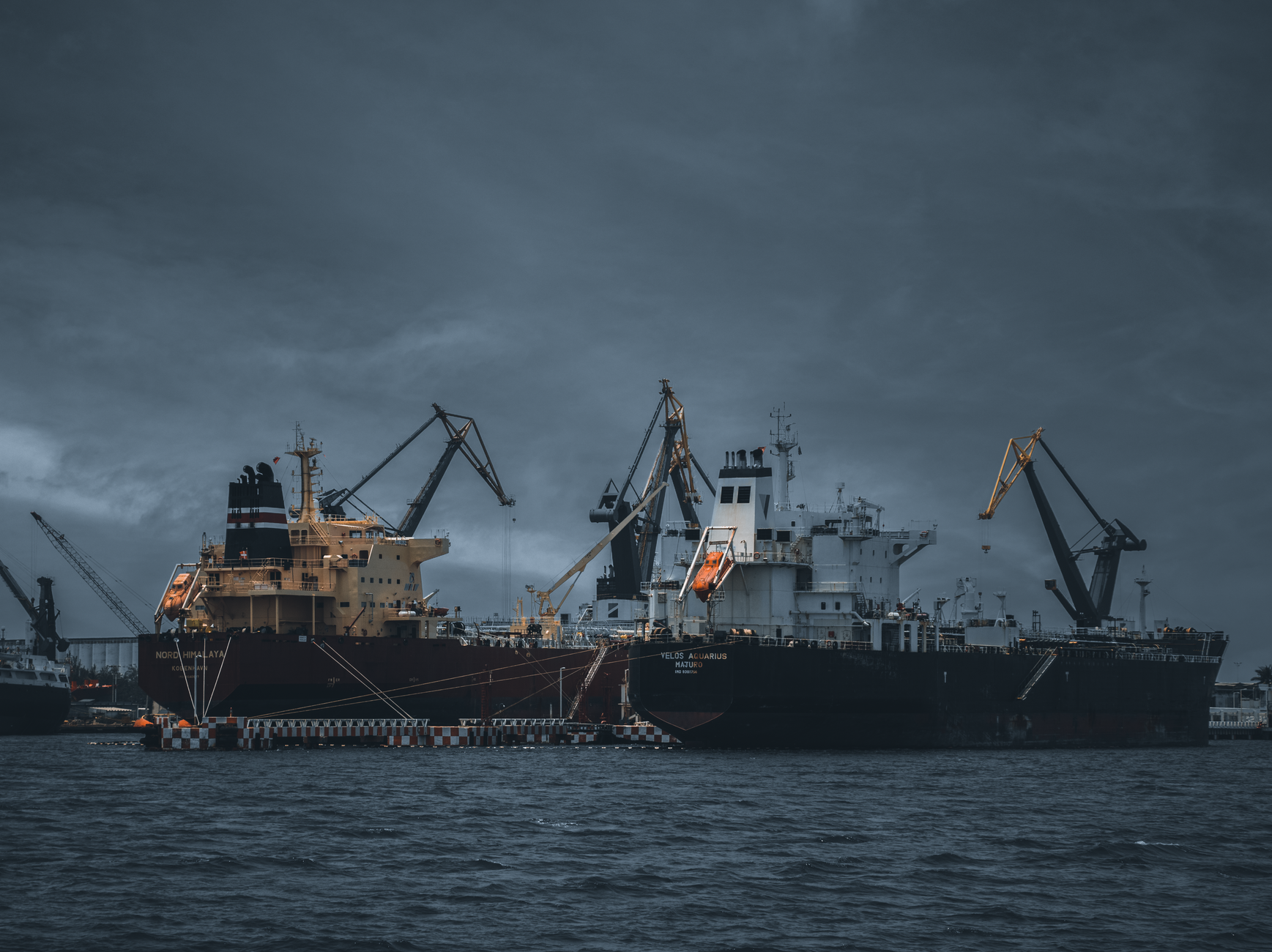
China’s role in Asia-Pacific is changing, not disappearing. The most visible trend in 2026 is the continued fall in direct Chinese exports to the United States, a sign that firms are still rerouting supply chains and reducing their exposure to geopolitical shocks.
But that is only part of the story. China is simultaneously strengthening its position as an industrial supplier to emerging economies and manufacturing hubs across Asia and beyond. Instead of selling finished goods to the West, it is increasingly exporting the components, machinery, and capital goods that power production elsewhere.
That shift gives Beijing a different kind of leverage. It may not translate into the same level of consumer-market dominance, but it deepens China’s importance inside regional production networks. In practical terms, many “China +1” strategies still depend on Chinese inputs, even when final assembly moves to Vietnam, India, or other ASEAN economies.
This is where the trade picture becomes more nuanced. Diversification is real, but full separation is not. Multinationals are spreading risk across more locations, yet they remain embedded in a supply chain ecosystem that still runs through China in multiple critical stages.
For regional policymakers, the challenge is to build resilience without triggering a more abrupt rupture. For Beijing, the opportunity is to preserve influence even as some trade routes narrow. The result is a quieter but still potent form of dependency — one that may prove more durable than headline-grabbing tariff battles.