Africa’s economic outlook in 2026 is a story of divergence. Some countries are benefiting from relative stability, improved trade links or stronger institutions, but much of the continent is still grappling with the aftershocks of global tightening, high borrowing costs and fragile domestic demand. The headline numbers may suggest resilience; household budgets tell a more sobering story.
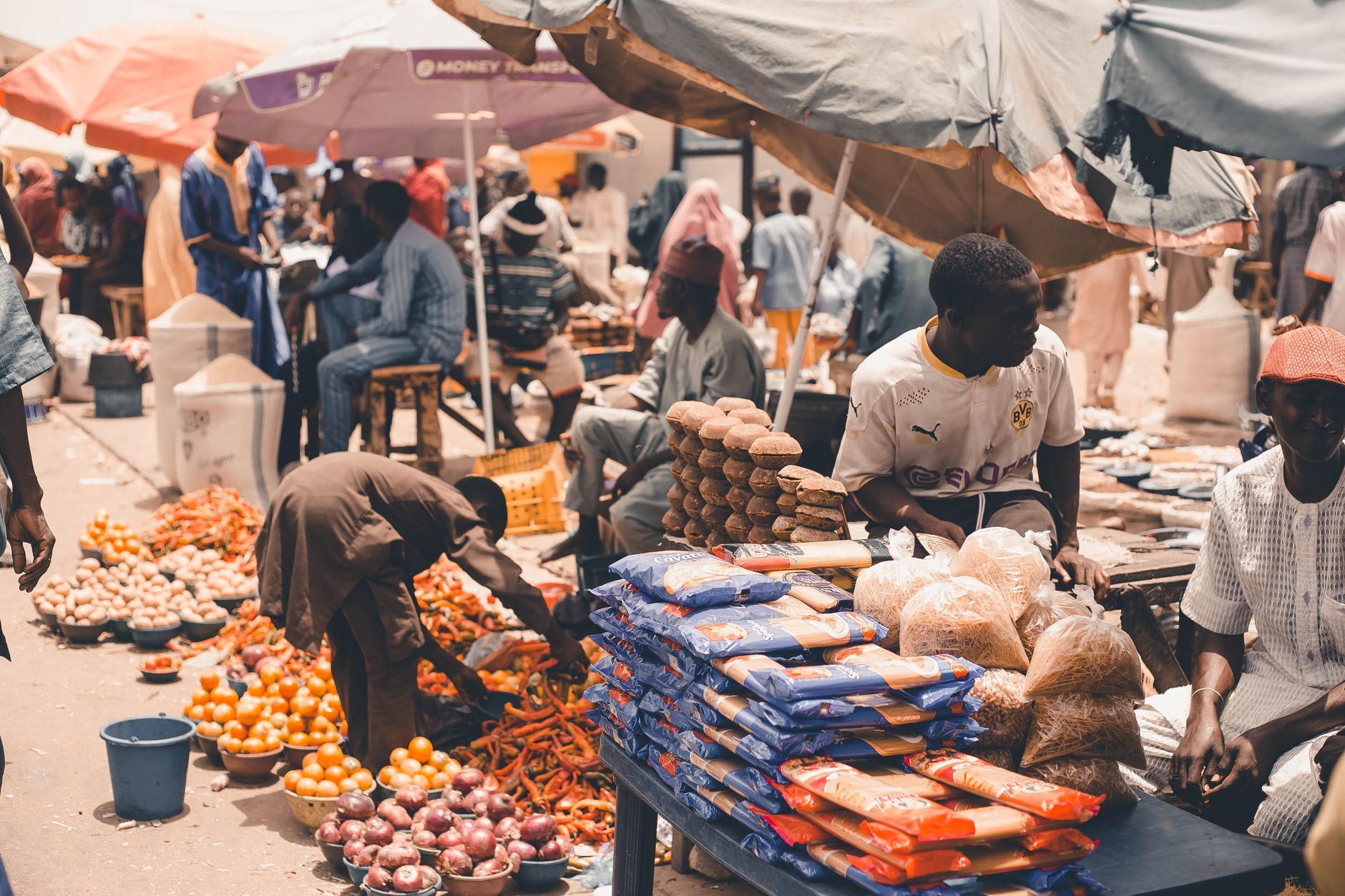
Inflation remains one of the most politically sensitive pressures across the continent. Food, transport and energy costs continue to absorb a disproportionate share of incomes, especially in countries where wage growth has lagged far behind prices. For middle-class families, that means cutting back. For poorer households, it means falling deeper into precarity.
Debt is another quiet emergency. Several governments are trapped between servicing external obligations and funding basic services such as health, education and infrastructure. That squeeze is forcing painful choices, including subsidy cuts, delayed capital projects and austerity measures that can deepen public anger. In this environment, any reform package that is not clearly communicated and fairly sequenced risks being read as punishment.
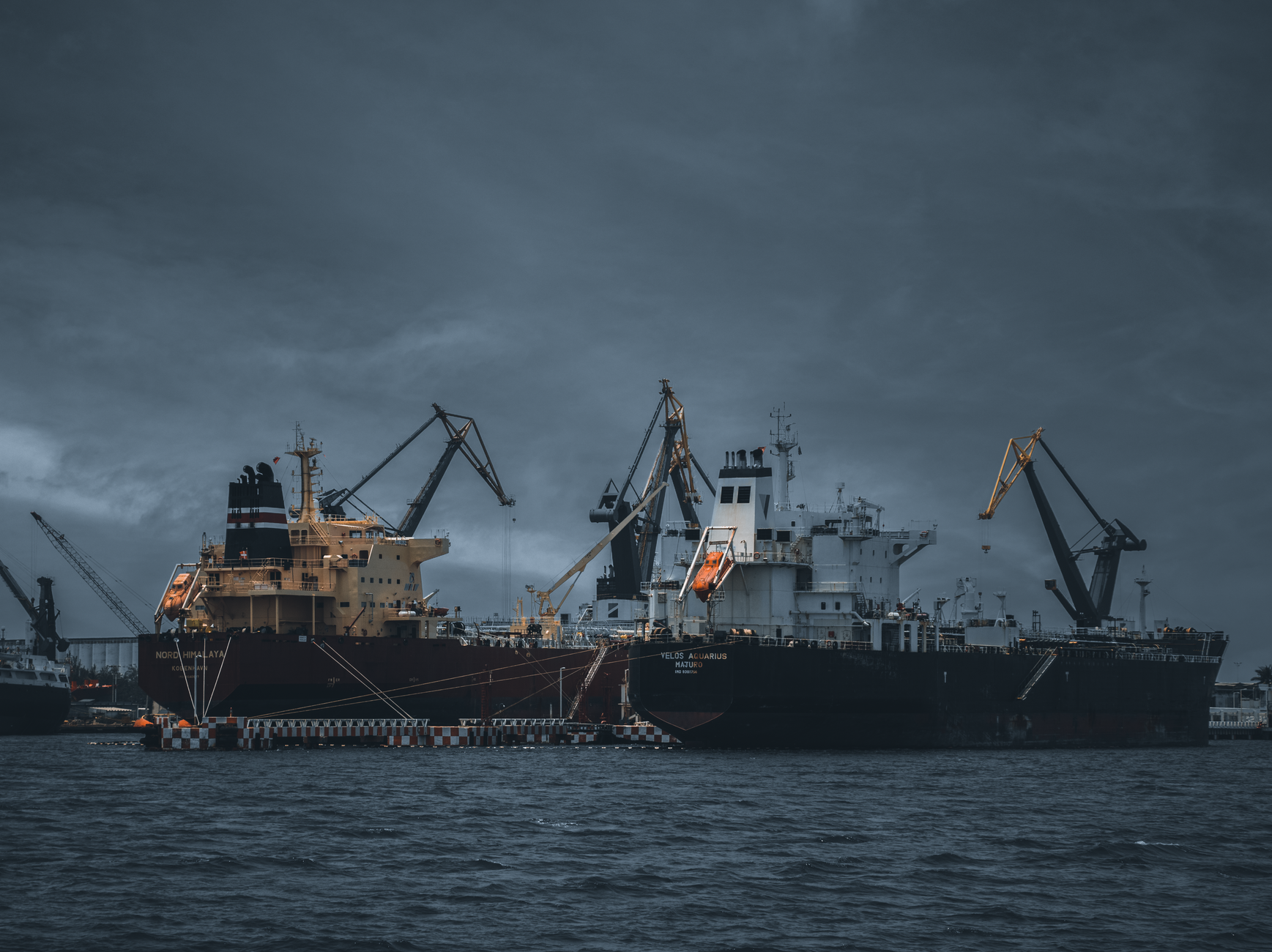
At the same time, there are areas of opportunity. Mineral supply chains, digital services, logistics and agribusiness continue to attract interest, particularly in states that can offer policy consistency and legal predictability. But those opportunities are fragile if political instability, corruption or weak infrastructure undermines confidence.
The central question for African economies in 2026 is not whether growth exists. It is whether growth can be made broad enough, durable enough and fair enough to matter. Without that, the continent risks a familiar pattern: macroeconomic improvement at the top, economic frustration at the bottom.