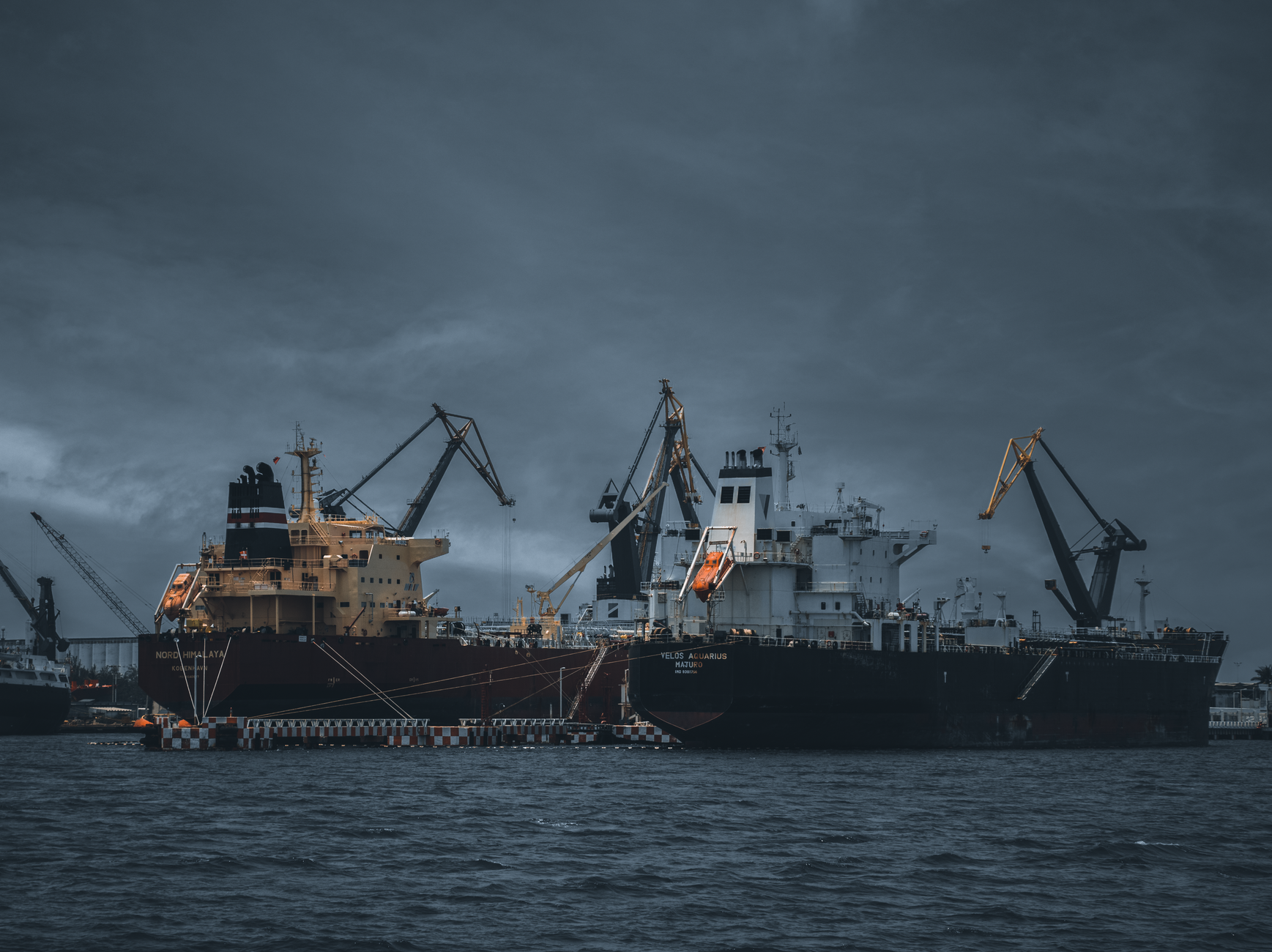
Asia-Pacific remains the world’s busiest geopolitical marketplace: a region where factories in East and Southeast Asia feed global supply chains, and where sea lanes carry a huge share of international trade. From the Malacca Strait to the wider South China Sea, commerce depends on chokepoints that are efficient in peacetime and alarming in a crisis.
That dependence is now colliding with sharper strategic competition. China’s expanding maritime footprint, the US military presence built to deter coercion, and the growing roles of Japan, India and Australia are turning shipping lanes into instruments of power. What once looked like a neutral commercial corridor increasingly resembles contested territory.
The economic risks are not abstract. Any disruption to the straits that connect the Indian Ocean with East Asia would reverberate through energy markets, manufacturing hubs and food imports across the region. Even short-lived friction — a blockade scare, a naval incident, or tighter export controls — can lift insurance costs and force companies to rethink routing and inventory.
Governments are responding with a mix of diversification and hedging. Japan and India are deepening strategic alignment, Australia is tightening defense ties with regional partners, and Southeast Asian states are seeking to preserve access while avoiding entanglement. Yet the more states prepare for disruption, the more they acknowledge how exposed the regional trade model has become.
The core Asia-Pacific story is no longer only growth. It is resilience under pressure. The region still drives global prosperity, but its commercial arteries now run through a political environment that is more volatile, more militarized and far less forgiving than a decade ago.