The Analog Rebellion
In the spring of 2026, as political gridlock paralyzes Washington and algorithms dictate daily discourse, Generation Z is staging a quiet revolution—not with protests or manifestos, but with flip phones, vinyl records, and a deliberate retreat from the screen. This analog counterculture, born from frustrations with hyper-digital life and dysfunctional institutions, marks a pivotal front in America's enduring culture wars. No longer content with the performative outrage of social media or the echo chambers of identity politics, young Americans are unplugging, seeking presence over polarization.
The shift is palpable. A Harvard survey underscores Gen Z's profound distrust in political officials, mainstream media, and government, viewing them not just as unreliable but actively harmful. This disillusionment manifests culturally: sales of film cameras have surged, book clubs are proliferating in meatspace, and TikTok overflows with videos of teens smashing smartwatches in ritualistic defiance. It's less nostalgia for a pre-digital Eden—most were born after 1997—than a calculated rejection of the 'extreme aspects' of modern society, as one observer aptly put it. In universities, once bastions of cancel culture's fervor, deans report rising demand for 'unplugged' dorms and philosophy seminars sans laptops.
'Gen Z’s frustrations with a dysfunctional political system and a hyper-digitalized world have fostered a new counterculture.'—Analysis of youth trends, State News
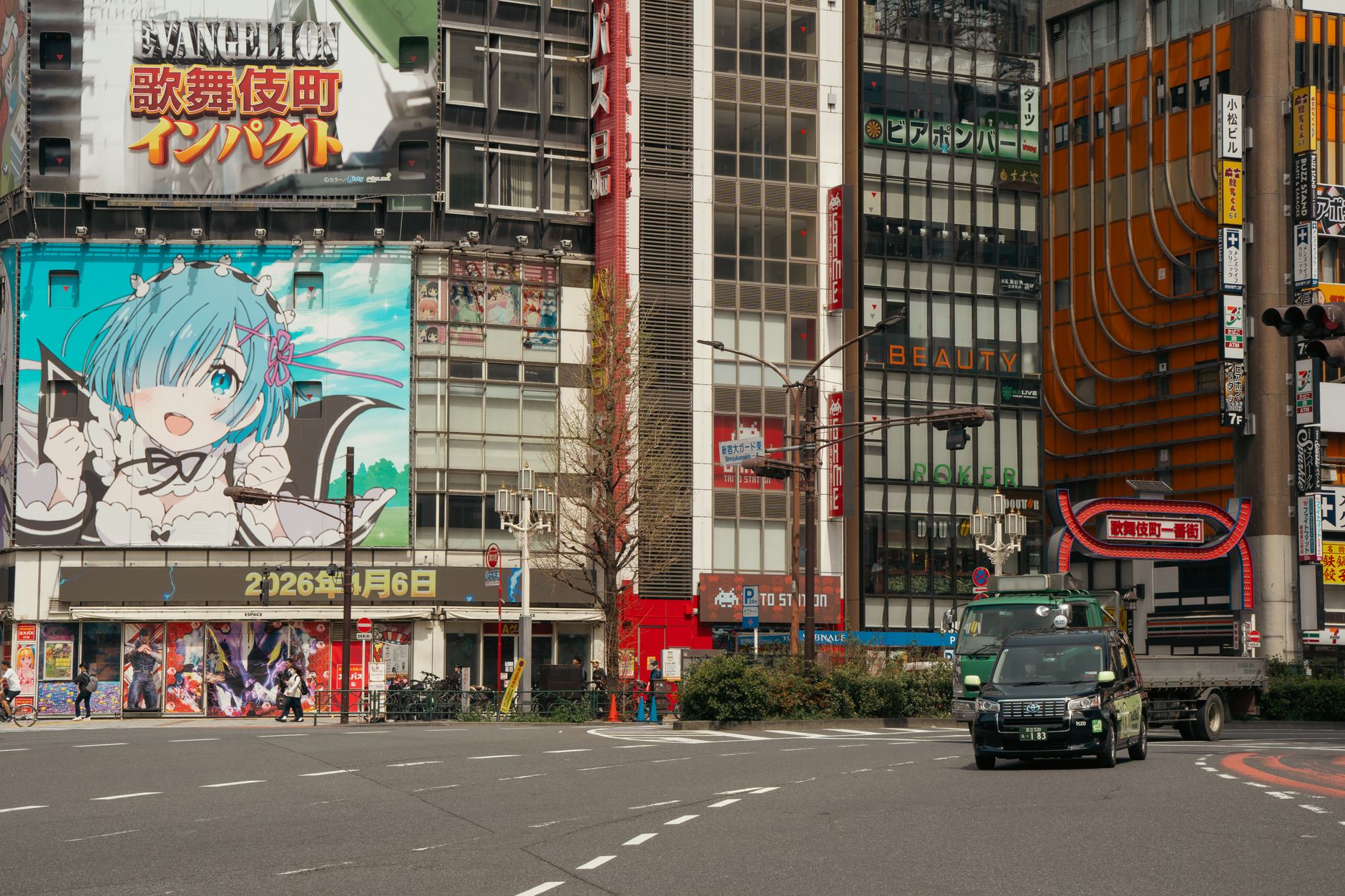
Yet this rebellion is no monolith. Amid the unplugging, viral trends like 'Chinamaxxing' reveal a playful, ironic engagement with the world beyond America's borders. On TikTok, American Gen Zers sip hot water, devour hotpot, and slip into indoor slippers, declaring their 'Chinese era.' Sparked by gamer IShowSpeed's 2025 awe-struck tour of China's neon-lit cities and amplified by creators like Sherry Zhu, the phenomenon has millions of views. Is it a crack in U.S. soft power, as some fret? Experts like Ogilvy's Reid Litman argue no: 'It’s not Western Gen Z turning against American culture... It’s something much more native to how this generation builds identity and uses the internet.' China serves as a vibrant palette color in Gen Z's global cultural remix, a meme-fueled critique of American excess rather than genuine defection.
News in the Feed: TikTok as the New Town Square
The battleground of these culture wars has decisively shifted online, where Gen Z gets its news not from CNN broadcasts but from TikTok skits and Google searches. Pew Research's March 2026 report delivers the verdict: 18- to 29-year-olds have abandoned TV for breaking news, favoring speed over polish. During crises—a merger scandal, a political scandal—search engines provide facts, while social platforms layer on memes and outrage, turning events into pop culture overnight.
This 'personal newsroom' in every pocket accelerates awareness but entrenches echo chambers. In North America, Google dominates for instant breakdowns, X (formerly Twitter) fuels identity-driven threads, and TikTok transforms mergers into viral dances. The result? Fandoms form around 'I saw it first,' deepening divides. Cancel culture, once a university staple, now thrives in these feeds: a professor's offhand remark spirals into doxxing threads, amplified by algorithms that reward virality over veracity. Universities, ground zero for identity politics, grapple with the fallout—trigger warnings proliferate, but so do backlash movements like 'free speech clubs' drawing analog rebels.
Consider the '2026 is the new 2016' meme storm, exploding from late 2025 via the Great Meme Reset. Users resurrect 2016's fashion, music, and vibes on TikTok and Instagram, a 9-10-year nostalgia cycle Gen Z weaponizes against the present. It's a cultural reset button, signaling exhaustion with 2020s excess: no more hyper-polished influencers, just low-fi authenticity. This trend dovetails with broader media migrations—Millennials and Zillennials flock to podcasts and newsletters for 'slower, more intentional' formats, while pure Gen Z craves immersive visuals. The culture wars rage on, but the weapons are evolving from op-eds to overlays.
Cancel Culture's Waning Echo
Once the scourge of conservative pundits, cancel culture appears to be mutating in 2026. Gen Z, its supposed architects, is tiring of its own invention. The analog push inherently subverts it: hard to mob someone when you're off-grid, reading Dostoevsky in a park. On campuses, the old script—microaggression seminars, safe spaces—clashes with a new pragmatism. Identity politics, with its rigid categories of oppressor and oppressed, feels increasingly hollow to a generation fluent in fluidity, thanks to endless online personas.
Yet remnants persist. High-profile cancellations still erupt, often over social media missteps, but they fizzle faster amid widespread skepticism. Pew data shows young people prize 'vibe' over ideology in news consumption, blending facts with entertainment. This hybrid fosters a more transactional politics: alliances form around shared aesthetics, not dogma. Universities, squeezed by enrollment drops and donor revolts, are pivoting—some elite Ivies now host 'cancel culture autopsies' in lecture halls, dissecting how outrage devours its own.
The real fracture lies in class and geography. Urban coastal Gen Z leans into ironic globalism ('Chinamaxxing' as bourgeois play), while heartland youth channel frustrations into tangible crafts—woodworking TikToks, farmers' market hauls. Identity politics, once a unifier on the left, splinters under these pressures, giving oxygen to populist surges on both sides.
Gods in the Machine: Religion's Tentative Return
Amid the din, a quieter insurgency stirs: religion's resurgence among Gen Z, particularly young men. Gallup polls reveal rising commitment, bucking decades of decline. With 29% of Americans now religiously unaffiliated—a record—churches face mass closures, yet pews in Catholic and evangelical strongholds swell with 'Theobros': tattooed twentysomethings trading gym selfies for conversion testimonies. The New York Times, Washington Post, and Wall Street Journal chronicle crowded Masses and viral stories, dubbing it a potential revival.
'Recent polling indicates a rise in religious commitment among young men, even as the overall religious affiliation in the U.S. hovers at historically low levels.'—Axios reporting on Gallup data
This 'religious rebound' injects volatility into culture wars. For Theobros, faith offers structure against digital anomie—community without algorithms, meaning sans memes. It counters identity politics' fragmentation with transcendent narratives, appealing to those burned by secular individualism. Politically, it bolsters conservative ranks, fueling debates over campus prayer groups and faith-based hiring. Liberals decry it as regressive; proponents see authenticity. Universities, secular cathedrals, bristle: DEI mandates clash with religious exemptions, sparking lawsuits.
Gen Z's religiosity is eclectic—blends of Catholicism, Eastern Orthodoxy, even pagan revivals—mirroring their cultural sampling. 'Chinamaxxing' parallels this: exploratory, not dogmatic. Yet it challenges cancel culture's secular orthodoxy, where dissenters face excommunication. As one young convert posted virally, 'God doesn't care about your pronouns.'
Institutions Under Siege
Universities embody the wars' front lines. Once incubators of progressive identity politics, they now host dueling factions: pro-Palestine encampments versus analog free-speechers. Enrollment slumps as Gen Z questions $80,000 tuitions yielding indoctrination over jobs. Trends like 'trade school TikTok' glorify plumbers over PhDs, eroding ivory-tower prestige.
Religion factors here too—faith-based colleges boom, drawing Theobros seeking alternatives to liberal arts echo chambers. Cancel culture backlashes abound: professors fired for biblical views on gender, prompting 'exodus' to red-state schools. The result? A bifurcated higher ed: coastal enclaves of radical chic, heartland hubs of classical learning.
The Road Ahead: Fragmentation or Renewal?
By April 2026, America's culture wars feel less like binary trench warfare and more like a kaleidoscope of micro-rebellions. Gen Z leads the charge—unplugging from social media's grip, ironically sampling global cultures, tentatively rediscovering faith—all while reshaping news, universities, and politics. Cancel culture fades not from triumph but exhaustion; identity politics yields to aesthetic tribalism.
This fragmentation portends peril: deeper distrust, volatile elections shaped by memes. But it harbors promise—a generation prizing presence might heal divides algorithms exacerbate. As Theobros fill pews and flip-phone kids ditch feeds, one truth emerges: the culture wars' next phase is personal, analog, and profoundly uncertain. In unplugging, Gen Z may just replug America with something real.