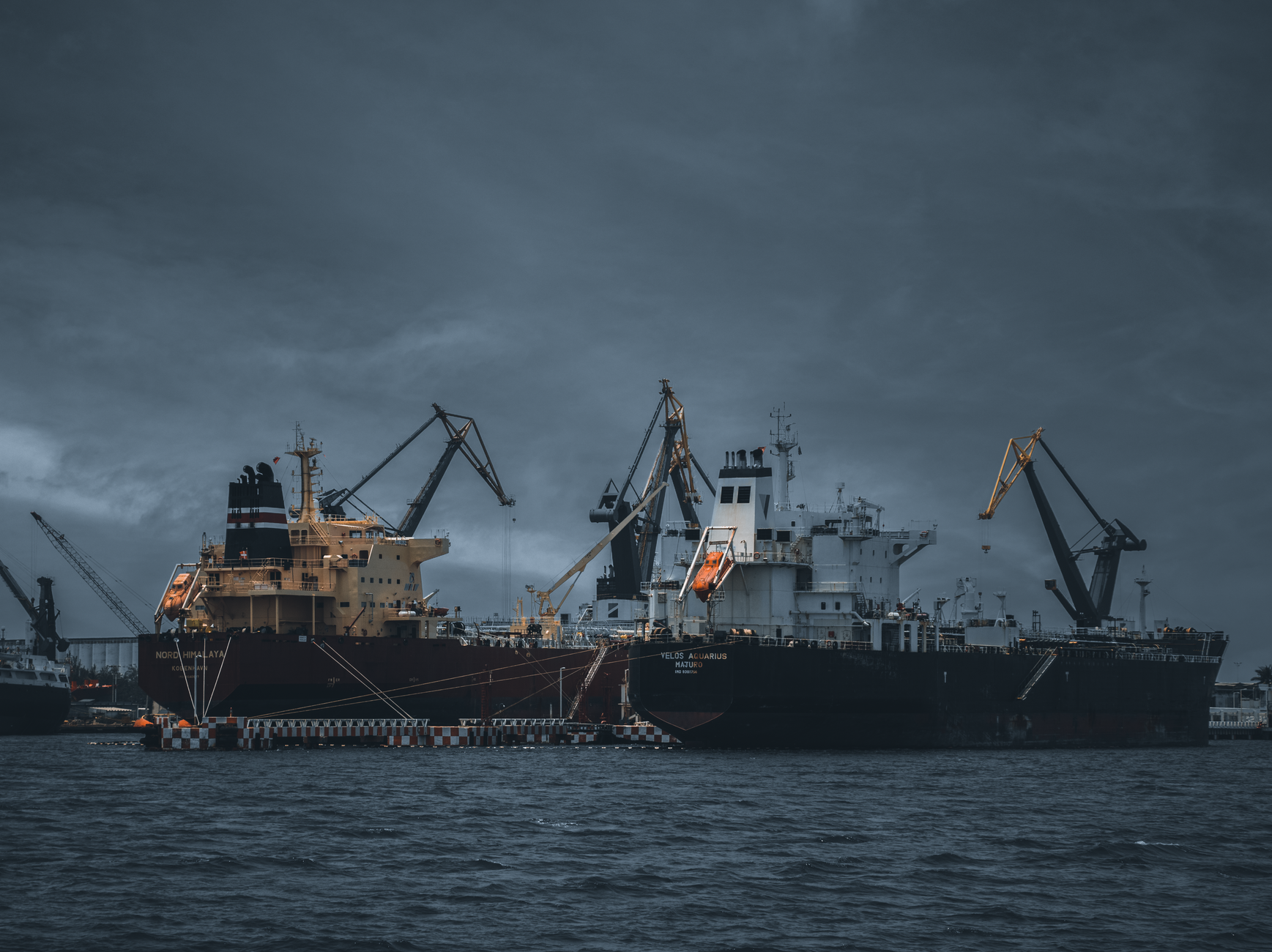
The Asia-Pacific’s biggest vulnerability in 2026 is not on land but at sea. The region’s prosperity depends on heavily trafficked routes that carry energy, components and finished goods between the Middle East, East Asia and the world’s biggest manufacturing hubs.
The choke points matter because they are easy to disrupt and hard to replace. Any deterioration in the security environment around the Malacca Strait, the Taiwan Strait or the South China Sea would immediately ripple through supply chains, insurance markets and shipping schedules.
That is why maritime competition is becoming more intense even without a formal crisis. Naval patrols, exercises and surveillance missions are multiplying, and the political message is clear: control of the sea lanes means control over the pace and cost of regional commerce.
For Southeast Asian states, this creates a delicate problem. They benefit from the volume of trade passing through their waters, but they also absorb the strategic pressure that comes with hosting contested routes. The more military activity rises, the more difficult it becomes to separate commerce from coercion.
The danger in 2026 is not only a headline-grabbing incident. It is the slow normalization of maritime pressure, where every commercial lane becomes a security issue and every security issue becomes a trade risk.