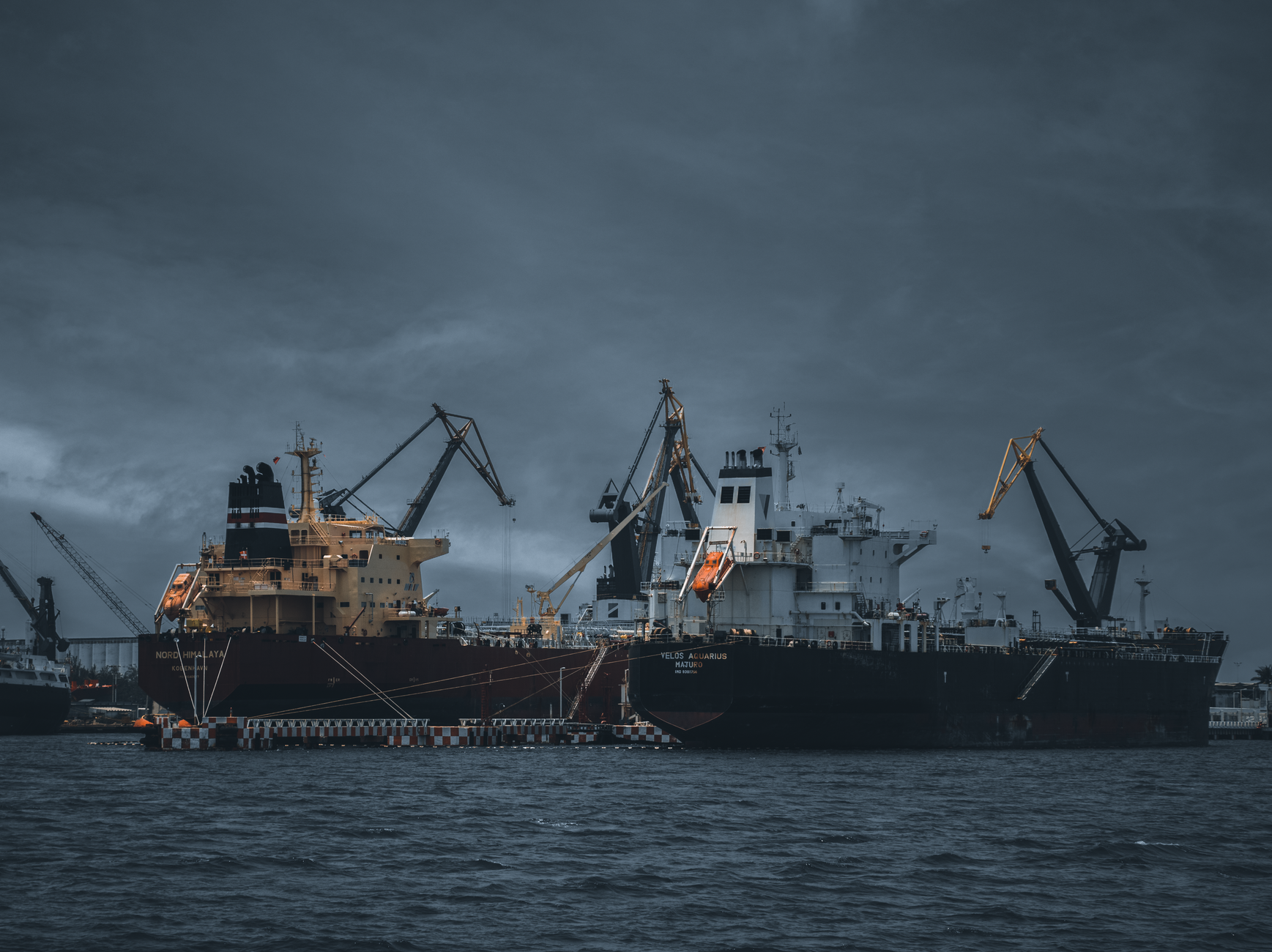
The Asia-Pacific’s defining trend in 2026 is fragmentation with purpose. Across the region, governments are responding to great-power competition by tightening controls on technology, protecting sensitive industries, and using trade policy as a tool of statecraft rather than a neutral economic instrument.[6]
That shift reflects a deeper reality: national security is now shaping economic policy. Analysts expect more defense spending, more protection of strategic inputs such as semiconductors and critical minerals, and continued use of tariffs and export restrictions in a geostrategic context.[6] In the Indo-Pacific, economic policy has become an extension of deterrence.
The United States, China, and Japan each play distinct roles in this reordering. Washington remains more willing to use unilateral trade pressure, Beijing has expanded regional infrastructure finance while projecting a multilateral image, and Tokyo has emerged as a stabilizing force trying to keep ambitious trade frameworks alive.[4] None of the three is offering a return to the old liberal consensus.
This matters because the region’s commercial center is still highly exposed to political shocks. Trade flows across Asia-Pacific supply chains remain dense, but firms and governments are reconfiguring them to reduce dependence on geopolitically distant partners and to keep critical production closer to trusted networks.[3][6] The result is not decoupling in a strict sense, but selective reorganization.
The strategic risk is that partial fragmentation can be more unstable than clean separation. Economic interdependence still restrains confrontation, yet it also creates leverage points that major powers can exploit.[1][3] The Asia-Pacific is therefore entering a period where prosperity and pressure will travel together, and where every supply chain decision carries a security dimension.