ASEAN is trying to preserve the region’s openness while responding to a harder geopolitical climate. The bloc has agreed to enhance its goods trade agreement and negotiated an upgrade to its free trade area with China, a sign that economic engagement with Beijing remains a priority even as strategic anxieties deepen.[6]
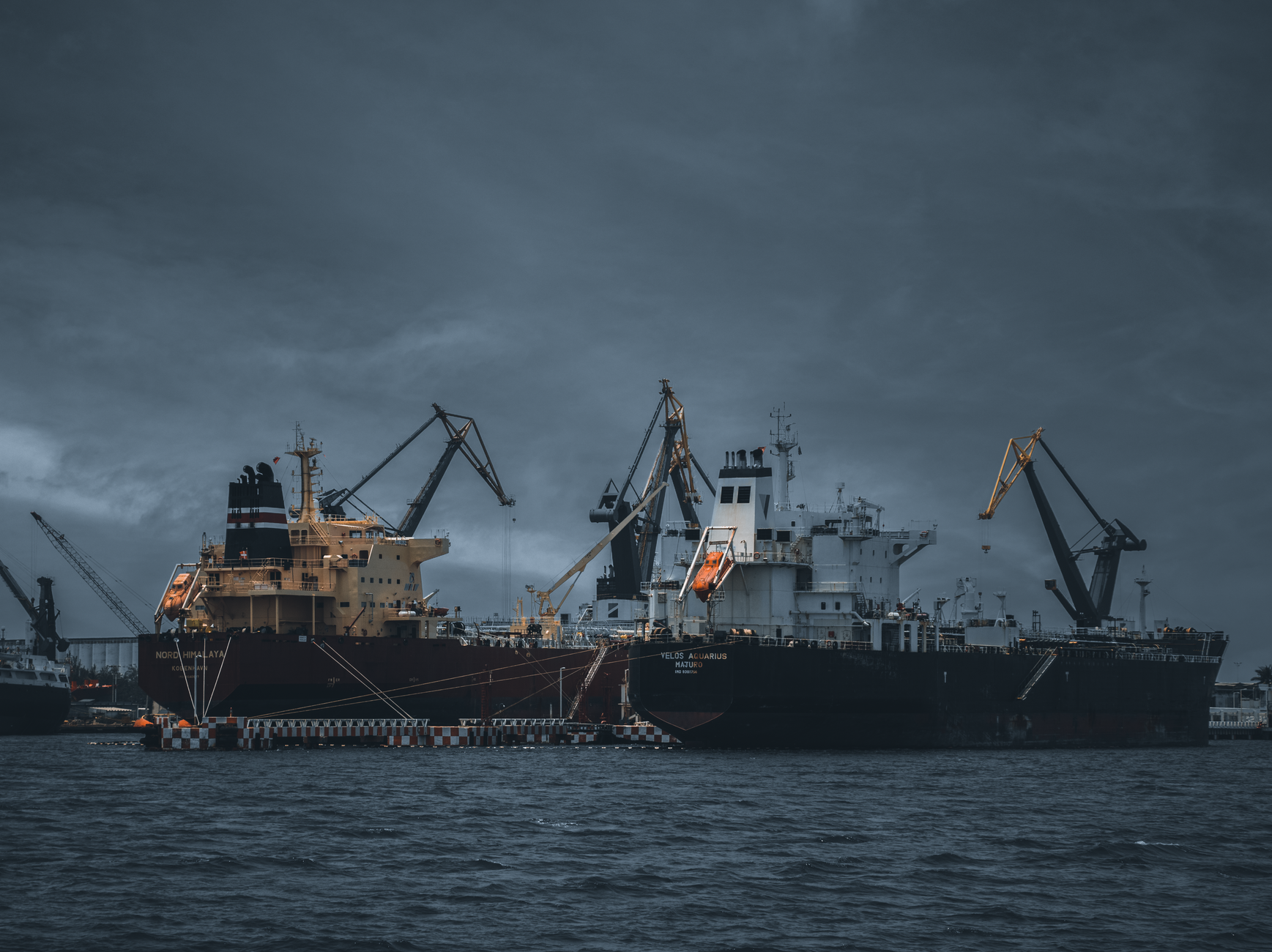
That approach reflects the realities of Southeast Asia’s position. The region sits on some of the world’s most important maritime trade routes, and its economies depend on cross-border production networks that stretch from Chinese factories to global consumer markets.[3] Any attempt to sever those ties would damage growth far more quickly than it would improve security.
But ASEAN’s trade posture is no longer purely about expansion. Regional governments are increasingly focused on supply chain resilience, energy security, and the ability to keep trade flowing during crises.[1][5] In that sense, the upgrade with China is not a sign of strategic relaxation; it is part of a broader effort to stay commercially engaged while building contingency options.
This balancing act is becoming harder as great-power competition intensifies. U.S.-China rivalry, tariffs, technology restrictions, and the wider fragmentation of the global order are pushing governments to think in terms of strategic autonomy rather than unfettered globalization.[5] For ASEAN, that means trying to avoid being forced into binary choices while still protecting access to investment, markets, and infrastructure.
The region’s future trade architecture may therefore look less like a single integrated system and more like overlapping arrangements of convenience and caution. ASEAN will keep courting Chinese commerce, but it is also likely to keep widening its hedges through diversified partnerships, logistics upgrades, and economic-security coordination.[1][6]