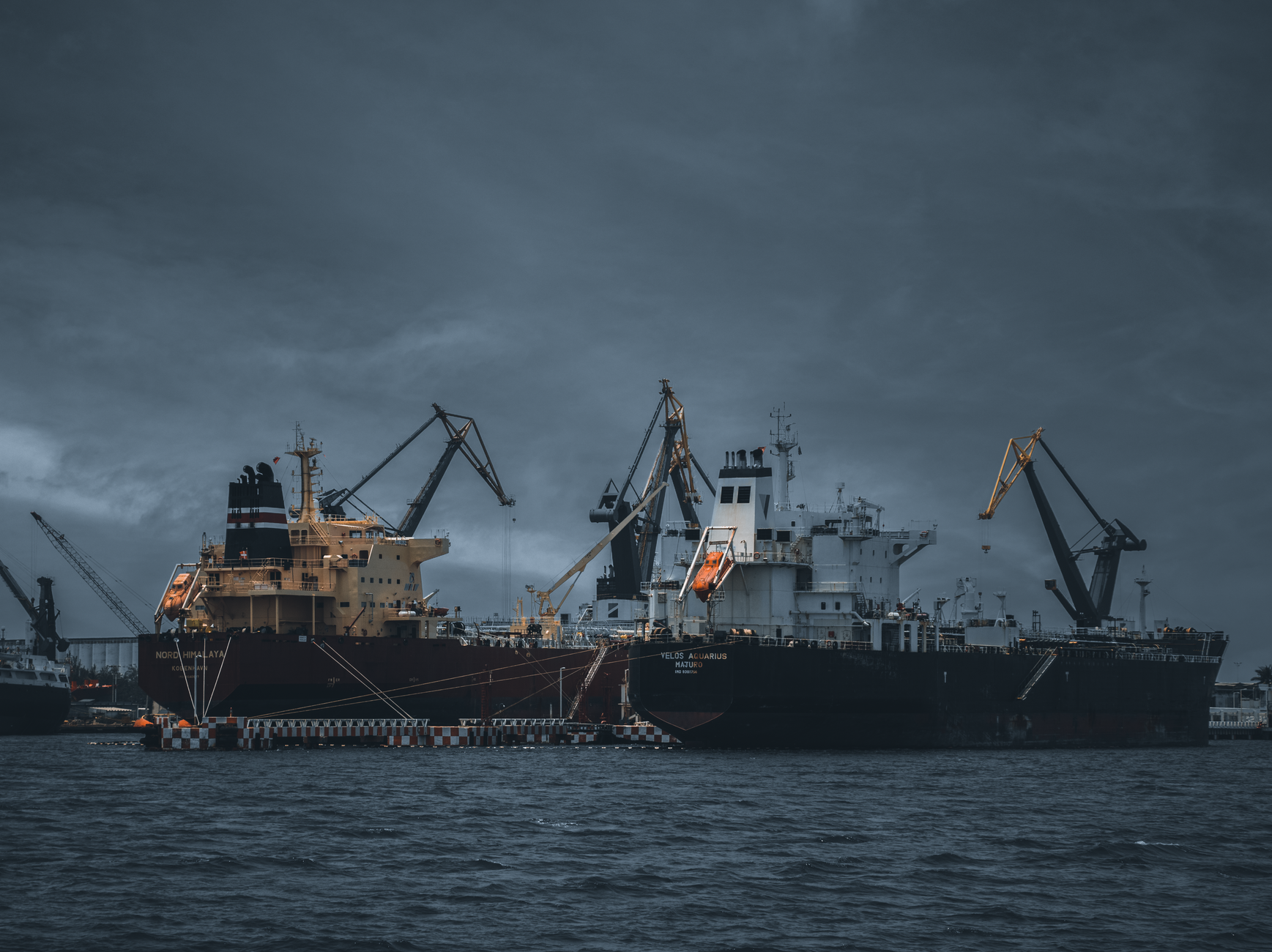
Asia’s trade system is under pressure from a geopolitical shift that is rewriting the rules of regional commerce. The old assumption that economic integration would soften strategic rivalry has weakened as major powers increasingly use trade, technology, and industrial policy as instruments of statecraft.[4][6]
Brookings describes the region’s trade environment as one in which the United States, China, and Japan are each reshaping their roles in the postwar trading order, with little certainty that freer trade or multilateralism will regain momentum.[4] That uncertainty has only intensified as tariff policy, supply-chain politics, and industrial subsidies become normal tools of competition.[6][7]
The practical response across Asia has been a search for optionality. Governments are diversifying sourcing, stockpiling critical inputs, and treating supply-chain resilience as a strategic asset rather than a cost center.[2][6] Semiconductor cooperation, rare-earth diversification, and digital infrastructure coordination are now part of the trade agenda, not just the technology agenda.[2]
This is changing the region’s economic diplomacy. Instead of broad, rules-based liberalization, states are moving toward targeted partnerships in sectors that matter for national security, including chips, energy, and logistics.[2][6]
The deeper story is not the collapse of Asian trade, but its politicization. Commerce is still the region’s engine, but it is increasingly running through a security filter that makes every chokepoint, component, and contract a strategic issue.[4][6]