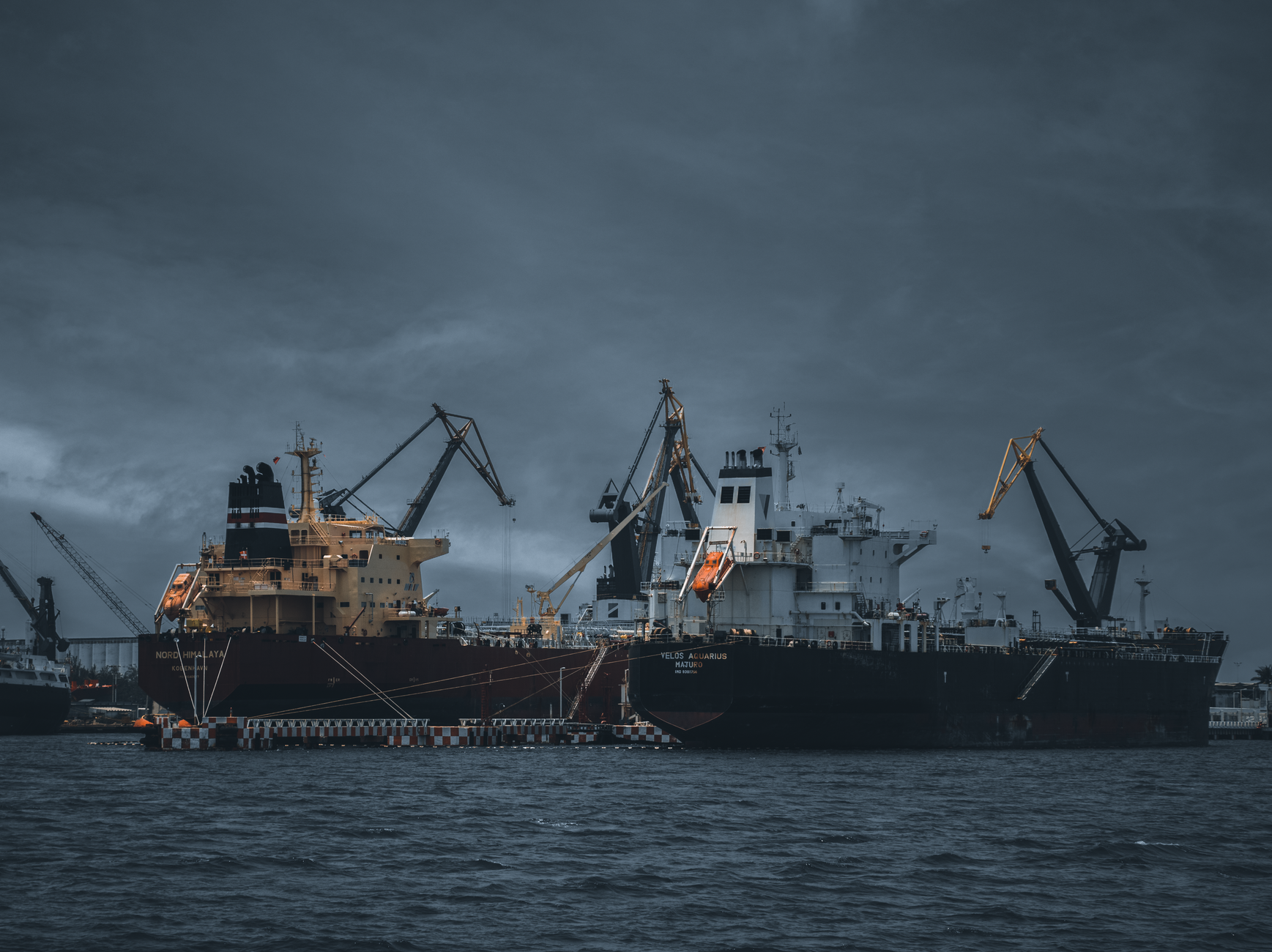
Africa’s economy in 2026 is being pulled by a simple truth: the continent has the resources the world needs, but not every government can turn that advantage into durable growth. Algeria has signed a deal worth more than $1 billion to expand the Hassi Bir Rekaiz oilfield as it seeks to raise output, attract foreign investment and reinforce its role as a major energy supplier.[1]
That deal shows how energy producers are still betting that hydrocarbons can finance national development, even as global markets shift. But the more important question is whether these contracts lead to wider economic resilience or simply deepen dependence on extractive industries. Big projects can signal confidence; they do not automatically create broad-based prosperity.
At the continental level, Africa is also trying to reshape the rules of the global economy. The Atlantic Council notes that Africa has an opening in the emerging world order to redefine finance, development and multilateralism, building in part on South Africa’s Group of Twenty presidency and on the presence of the DRC and Liberia on the United Nations Security Council.[2]
That is the real economic story of 2026: not just growth, but bargaining power. African states are trying to move from being price takers in the global system to rule shapers, even as domestic instability continues to determine which countries can actually seize the opportunity.[2]