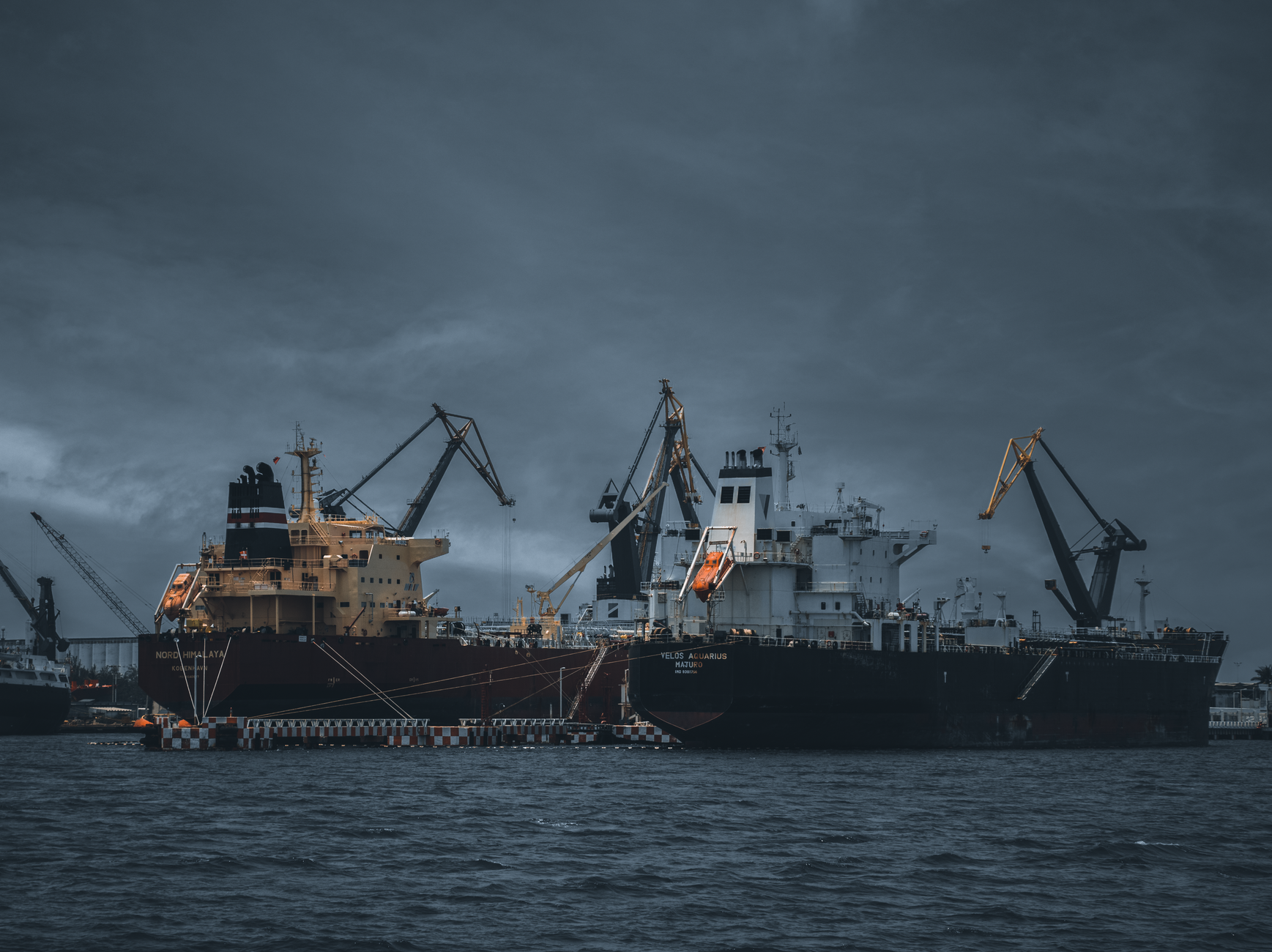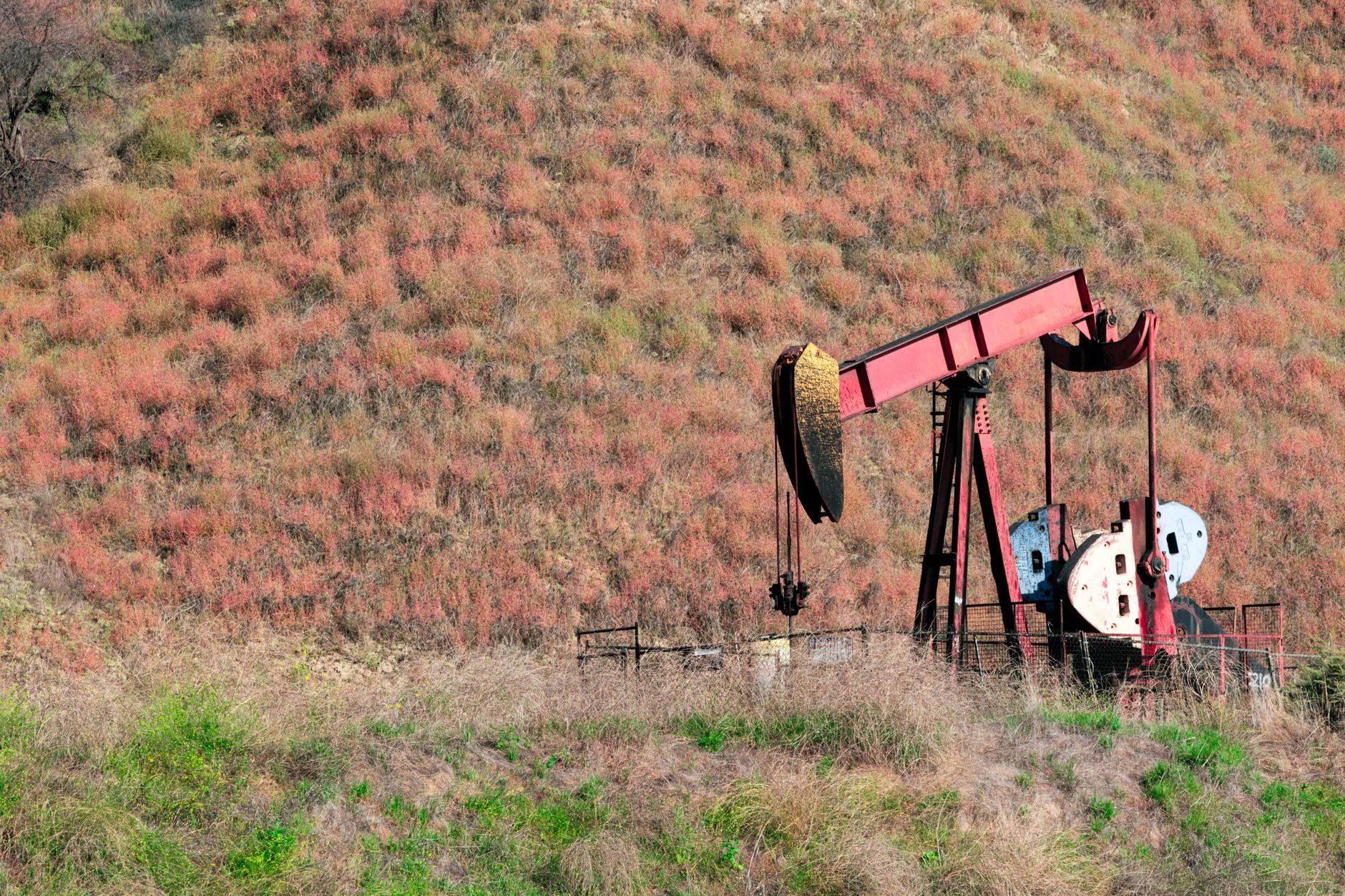
Algeria’s decision to sign a deal worth more than $1 billion to expand the Hassi Bir Rekaiz oilfield shows how African governments are still leaning on hydrocarbons to secure fiscal breathing room.[1] The project is expected to nearly double output at the field and support Algeria’s broader plan to strengthen exports to Europe and deepen energy ties across Africa and the Arab world.[1]
That strategy makes sense in the short term, especially for states seeking foreign currency, jobs, and infrastructure spending. But it also highlights a deeper continental divide: some governments can still monetize energy assets, while others are stuck with weaker revenue bases, tighter borrowing conditions, and little room to maneuver.
The Atlantic Council argues that Africa’s 2026 economic openings are tied to the emerging world order, including opportunities to reshape finance, development, and multilateral rules.[2] South Africa’s G20 presidency and the arrival of the DRC and Liberia on the UN Security Council may give the continent more diplomatic leverage, but leverage is not the same as liquidity.[2]
The real test is whether Africa can convert geopolitical relevance into tangible economic gains. That means more than resource deals and summit declarations; it means better terms on capital, trade, industrial policy, and debt restructuring.
For now, the continent’s economic story is still one of uneven capacity. Energy-rich states are trying to lock in revenue while others search for a path out of dependency, and all of them are doing so in a global environment where investment is cautious and power is concentrated elsewhere.