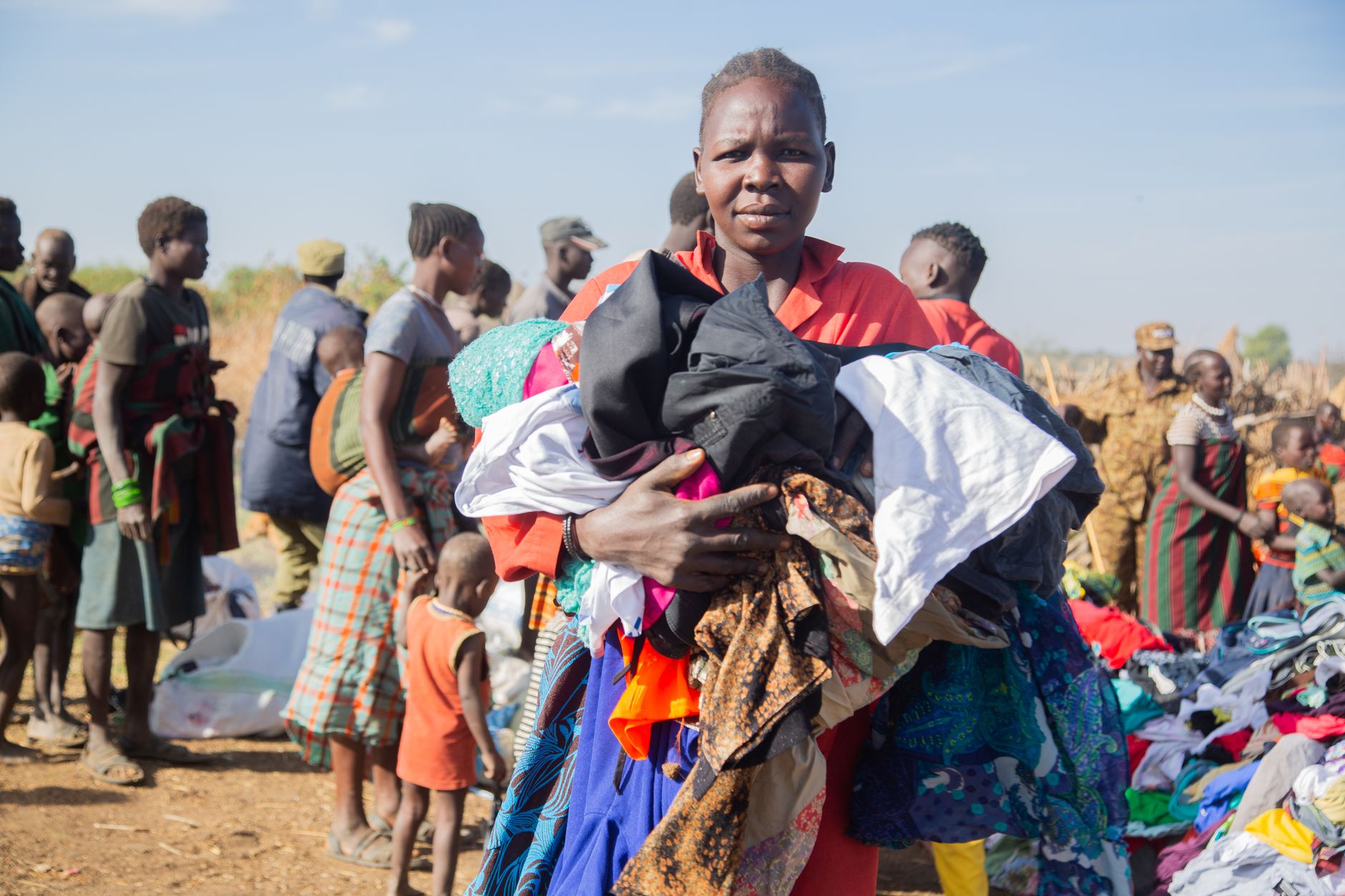
Sudan’s war has moved beyond a battlefield struggle and into a full-scale humanitarian catastrophe. The country is now facing one of the largest crises in the region, with millions uprooted inside the country and across borders, while health, education and food systems continue to break down.
The scale of need is staggering. According to the UN’s 2026 Sudan Humanitarian Response Plan, 33.7 million people will require assistance this year, an increase of 3.3 million from 2025. That figure captures not just the intensity of the conflict but the speed with which everyday life has been dismantled.
What makes the Sudan crisis especially alarming is that it is no longer confined to the immediate areas of fighting. As displacement spreads, host communities are under pressure, border regions are absorbing more people, and aid agencies are being forced to stretch limited resources across a worsening emergency.
The collapse of services is as dangerous as the shelling. When health facilities stop functioning and schools close, the long-term damage can outlast the war itself, creating a generation with fewer protections, less education and deeper poverty.
Sudan is now a test of whether the international system can respond to a crisis that is both political and humanitarian, and increasingly regional. The answer so far is bleak: the war is still widening the gap between urgent need and effective action.

