Sudan remains the most brutal and destabilizing conflict on the continent, with the war between the Sudanese Armed Forces and the Rapid Support Forces deepening into a crisis that has already produced mass displacement, hunger and systematic violence.[1] The fighting has evolved far beyond a power struggle in Khartoum; it is now a nationwide collapse with regional implications.
The most alarming feature of the conflict is not only its duration but its scale. Reports highlighted by analysts describe Sudan as one of the world’s deadliest crises, with the massacre in El Fasher cited as evidence of atrocities unfolding in plain sight while regional powers continue to fuel the war.[1] That combination of battlefield fragmentation and outside interference makes a political settlement harder, not easier.
For neighboring states, the war is exporting instability through refugees, arms flows and cross-border insecurity. For the wider continent, Sudan is becoming a test case for whether African-led diplomacy can still matter when armed actors believe they can win by force and external sponsors keep the pressure alive.[1][3]
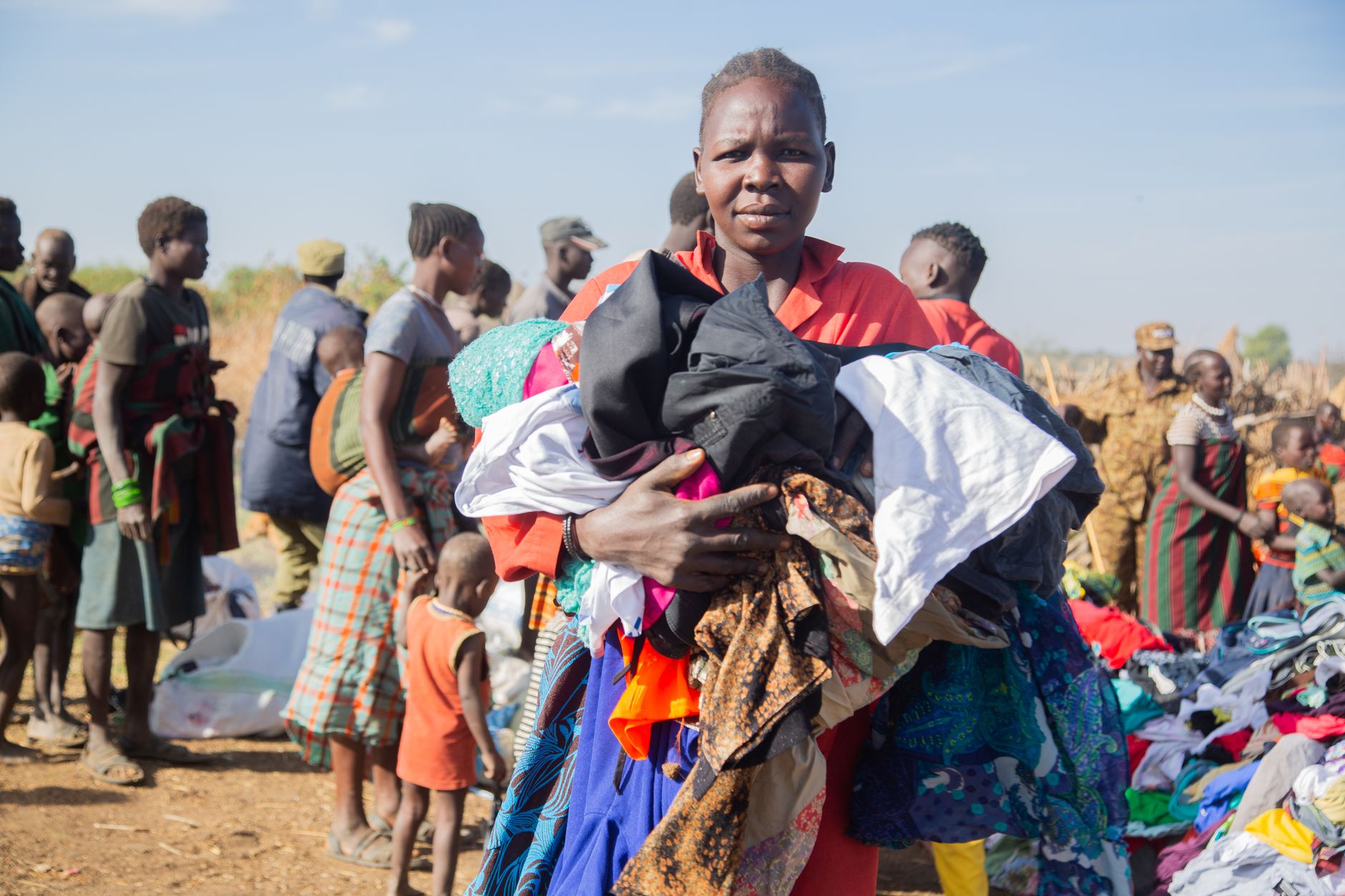
The humanitarian toll is increasingly central to the conflict’s political meaning. Famine conditions, displacement and the destruction of civilian life are not side effects of the war; they are part of its strategy and consequence. That is why Sudan is no longer just another African war headline. It is a warning about what happens when state collapse meets impunity.[1]
If there is a defining lesson from Sudan in 2026, it is that crisis management is no substitute for conflict prevention. The war is now shaping Africa’s diplomatic calendar whether the continent wants it to or not.[1][6]