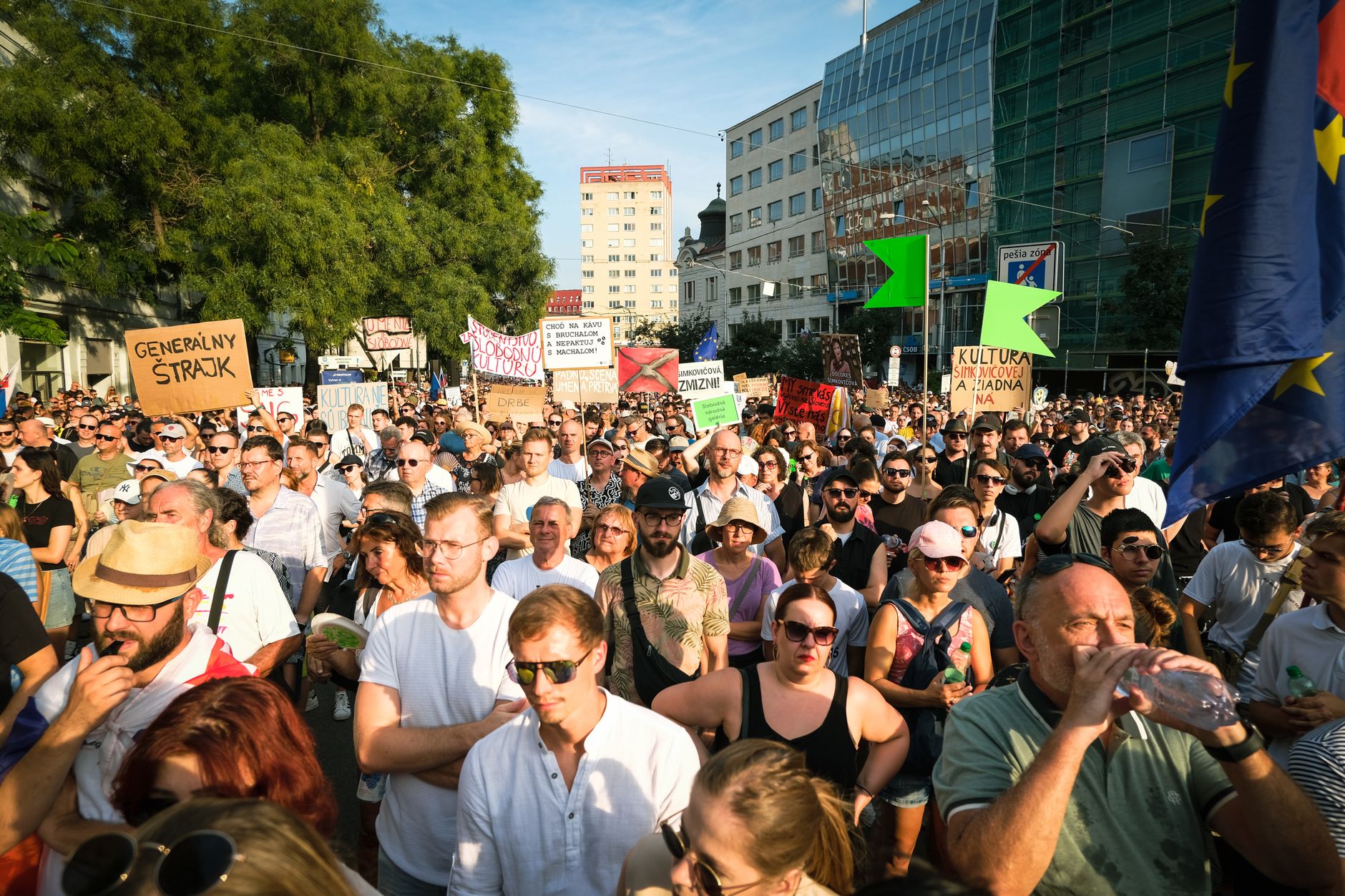
Europe's social cohesion teeters as inequality surges and migration debates intensify, fueling populist surges from France to Italy. Latest bulletins paint a continent wrestling with post-pandemic scars, where wage stagnation clashes with soaring living costs for millions.
Youth unemployment hovers at 25% in Spain and Greece, breeding disillusionment that extremists exploit. In Germany, AfD's gains signal backlash against unchecked asylum inflows, now exceeding 1 million annually. Social services strain under the weight, prompting emergency EU-wide burden-sharing talks.
Geopolitics amplifies the crisis: Ukraine refugees integrate unevenly, while North African routes revive amid Libyan chaos. Progressive voices push for legal pathways and integration funds, but fiscal hawks in the Netherlands and Austria resist, fearing welfare dilution.
Economically, the eurozone's 1.2% growth masks divides—Nordics thrive while southern peripherals lag. Tech-driven job losses in manufacturing heartlands stoke resentment, mirroring U.S. rust-belt woes. EU social pillars, from minimum wage directives to child benefits, face implementation hurdles.
Bright spots emerge: Portugal's integration model cuts recidivism by 40% among migrants. Yet, without tackling root causes like housing shortages and education gaps, fractures deepen. As elections loom, leaders must forge a narrative of shared prosperity to reclaim the populist narrative.