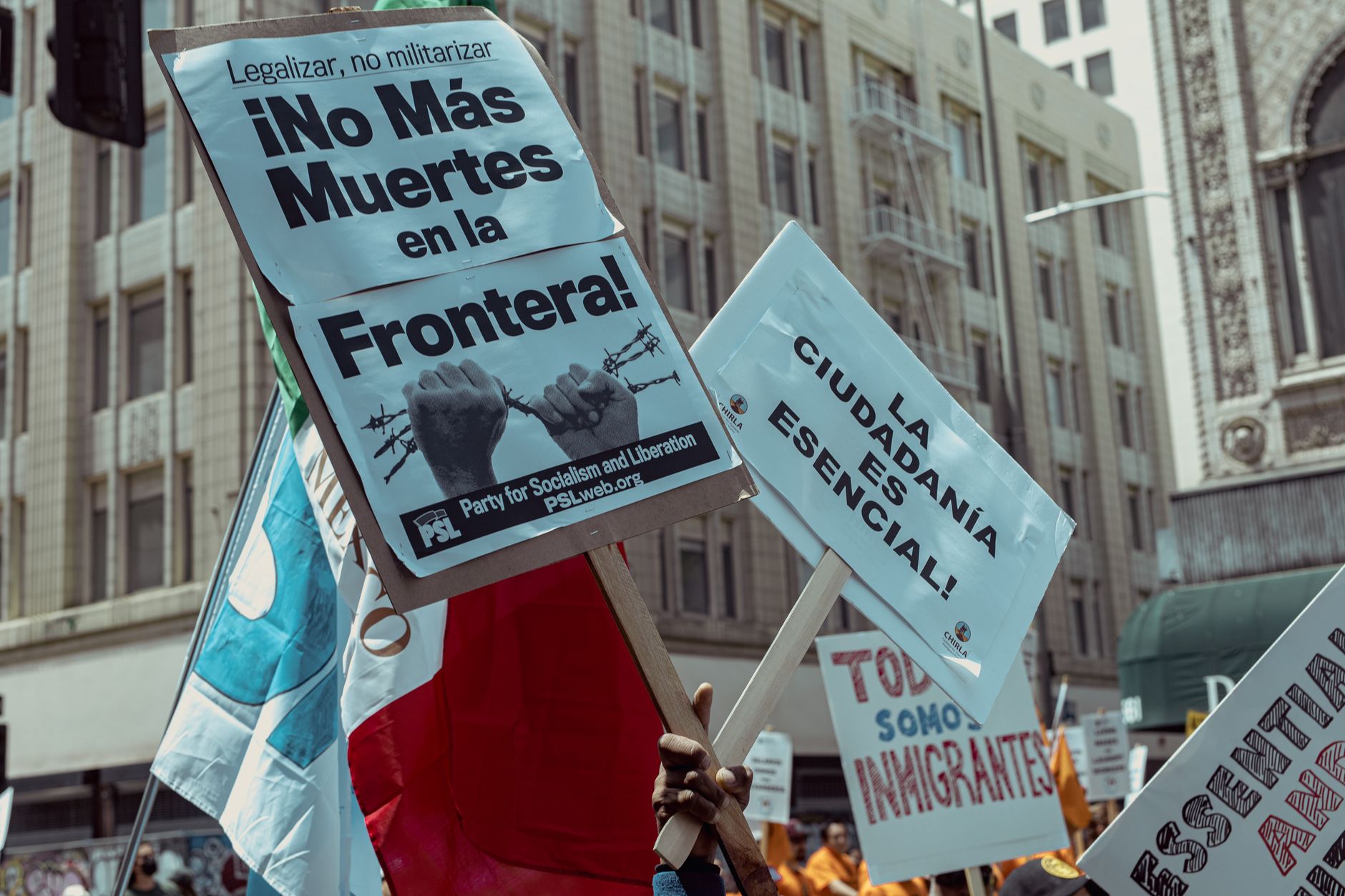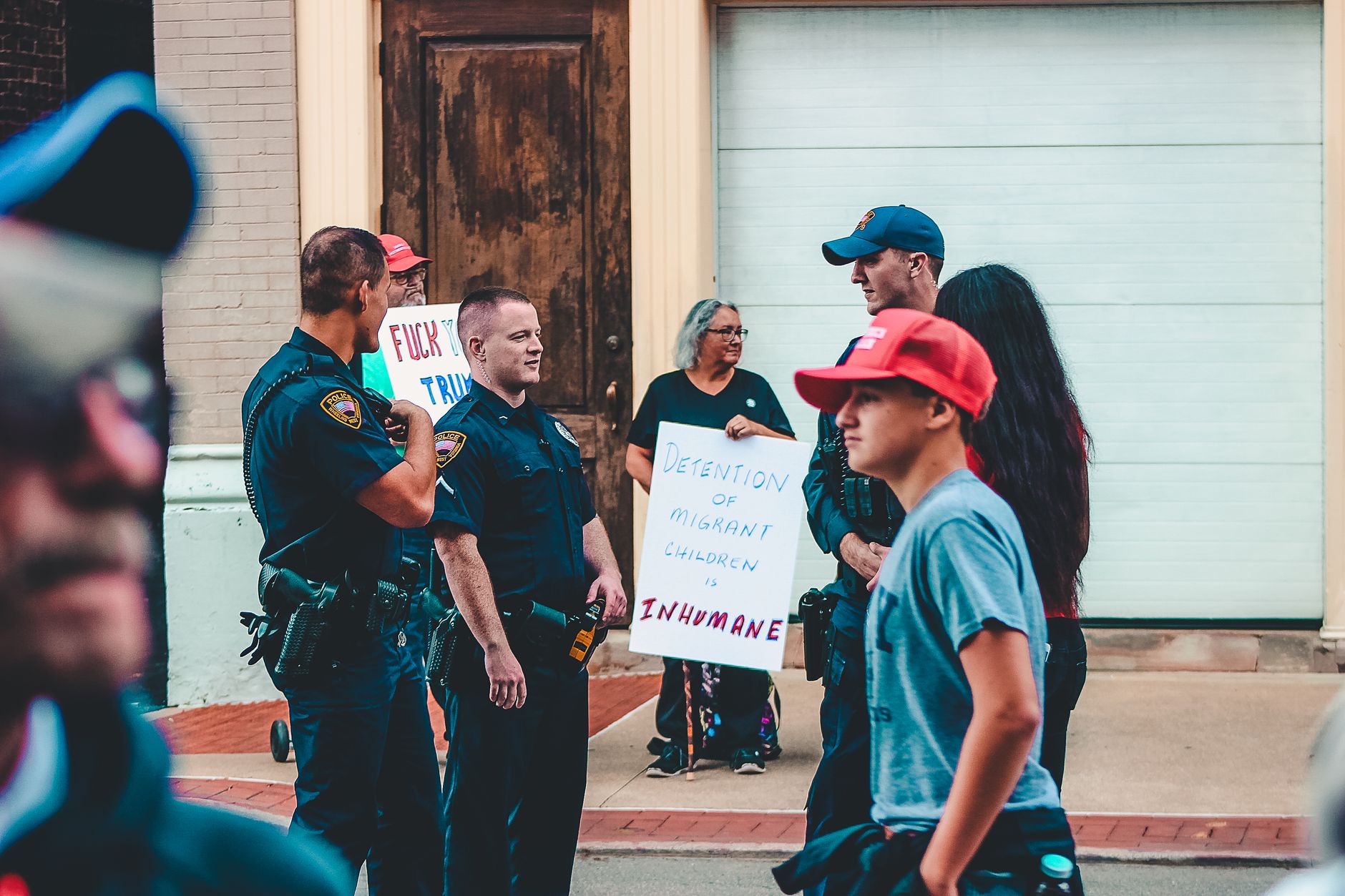
Hundreds of detained immigrants at the Newark facility known as Delaney Hall have been on a hunger and labor strike for a week, demanding release and denouncing conditions they describe as inhumane.[2] The protest has become a stark symbol of how immigration detention, once mostly hidden from view, can force itself into the center of American politics when conditions break down.[2]
What makes the situation politically dangerous is not only the protest itself, but the timing. Immigration has been one of the most polarizing issues in national life, and detention-site unrest gives both sides a ready-made narrative: activists see proof of abuse, while hardliners see confirmation that the system is under strain and too soft to deter new arrivals.
The debate is no longer confined to border policy. It now touches the legitimacy of the institutions used to carry out enforcement, the conditions of confinement, and the basic question of whether the federal government can manage immigration without creating another humanitarian and political crisis.
The New Jersey protest also fits into a broader pattern of unrest and resistance around the country, including public demonstrations over detention and enforcement practices.[2] That broader mobilization matters because it shows immigration is no longer just a campaign issue; it is a governance issue that can trigger labor disruptions, litigation and local backlash.
If Washington keeps treating detention as a technical enforcement tool instead of a policy that shapes lives and politics, these flashpoints will keep recurring. The immediate problem in Newark may be a facility and its detainees, but the larger problem is a system that keeps generating its own opposition.