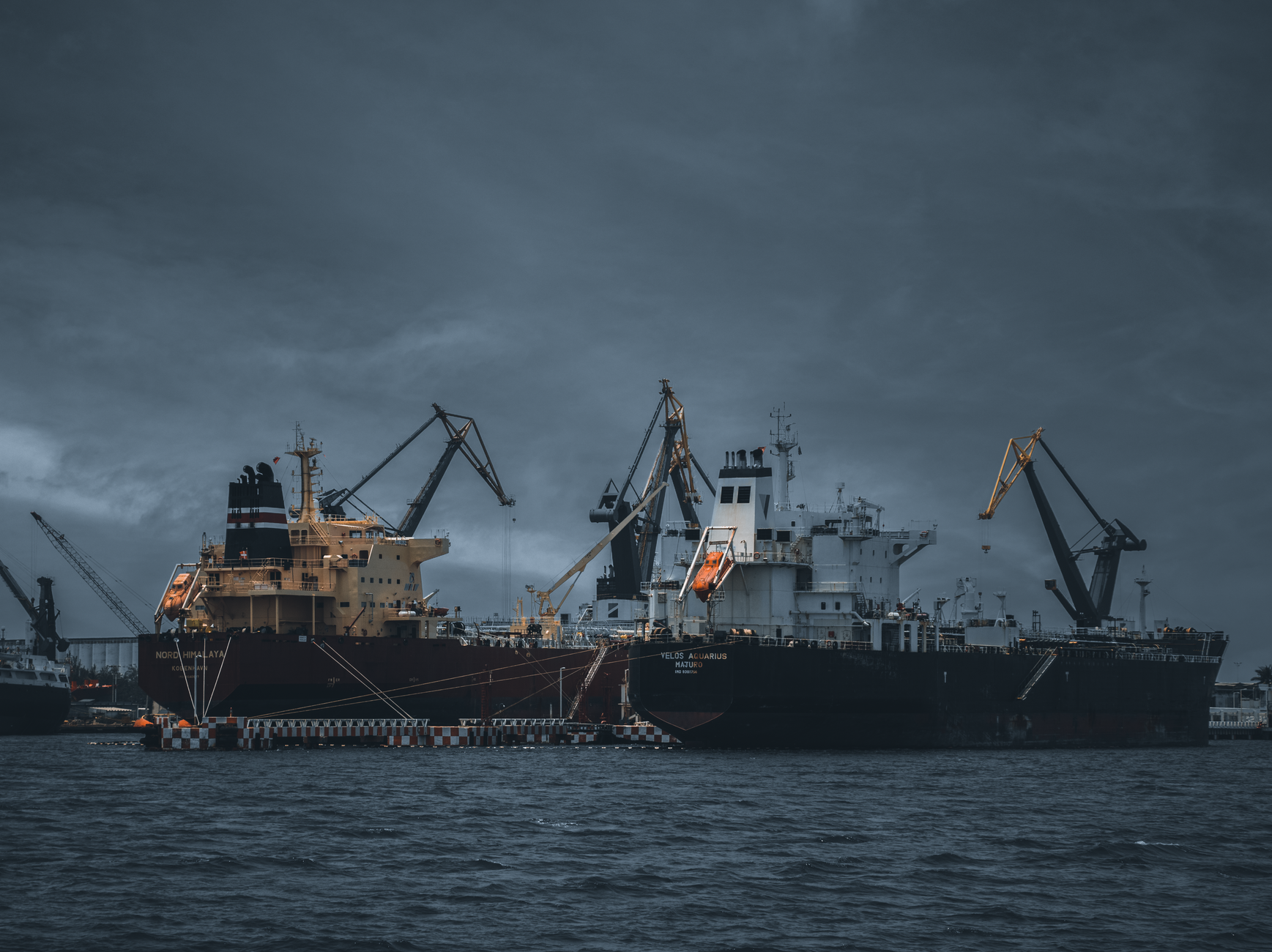
The Asia-Pacific is not abandoning trade liberalisation, but it is rewriting the terms on which trade is defended. Across the region, policymakers are treating supply-chain resilience, digital infrastructure and regulatory cooperation as core economic strategy rather than technical side issues.
That was visible in recent APEC discussions in Suzhou, where members backed work on the Free Trade Area of the Asia-Pacific, WTO reform, paperless trade and improved cross-border data flows. The agenda also highlighted electronic bills of lading, electronic invoices and AI-related trade rules, showing how trade governance is being pushed into the digital domain.
The underlying logic is clear: if markets are going to stay open under geopolitical stress, the region needs better institutions, not just more rhetoric. Smaller and middle-sized economies in particular are trying to preserve predictability by reinforcing rules-based cooperation and avoiding dependence on a single security patron.
This is why the current debate is not about retreating from globalisation, but about making it harder to weaponise. Economies across the region are trying to maintain access to major markets while building alternative suppliers, transport routes and institutional safeguards.
The result is a distinctly Asian answer to economic insecurity: keep trade flowing, but do it through denser cooperation and more flexible regional frameworks. That approach may not eliminate fragmentation, but it gives governments a way to manage it without freezing commerce altogether.