Regional security in Asia-Pacific is increasingly tied to the resilience of supply chains, especially in semiconductors, energy, and critical minerals.[1] The risk is not only that a conflict could interrupt trade, but that the threat of disruption itself is becoming a tool of statecraft.[1][2]
Taiwan remains the most consequential node in this system because of its industrial and technological centrality.[1] Any crisis in the Taiwan Strait would immediately affect global production networks, while also pulling in the United States and its allies, who see the island’s security as inseparable from broader regional stability.[1]
The Korean Peninsula remains another pressure point. North Korea’s nuclear and missile programs continue to drive military planning and intelligence coordination among neighboring powers, including China and Russia, both of which have an interest in preserving a buffer zone even as they manage Pyongyang’s unpredictability.[1]
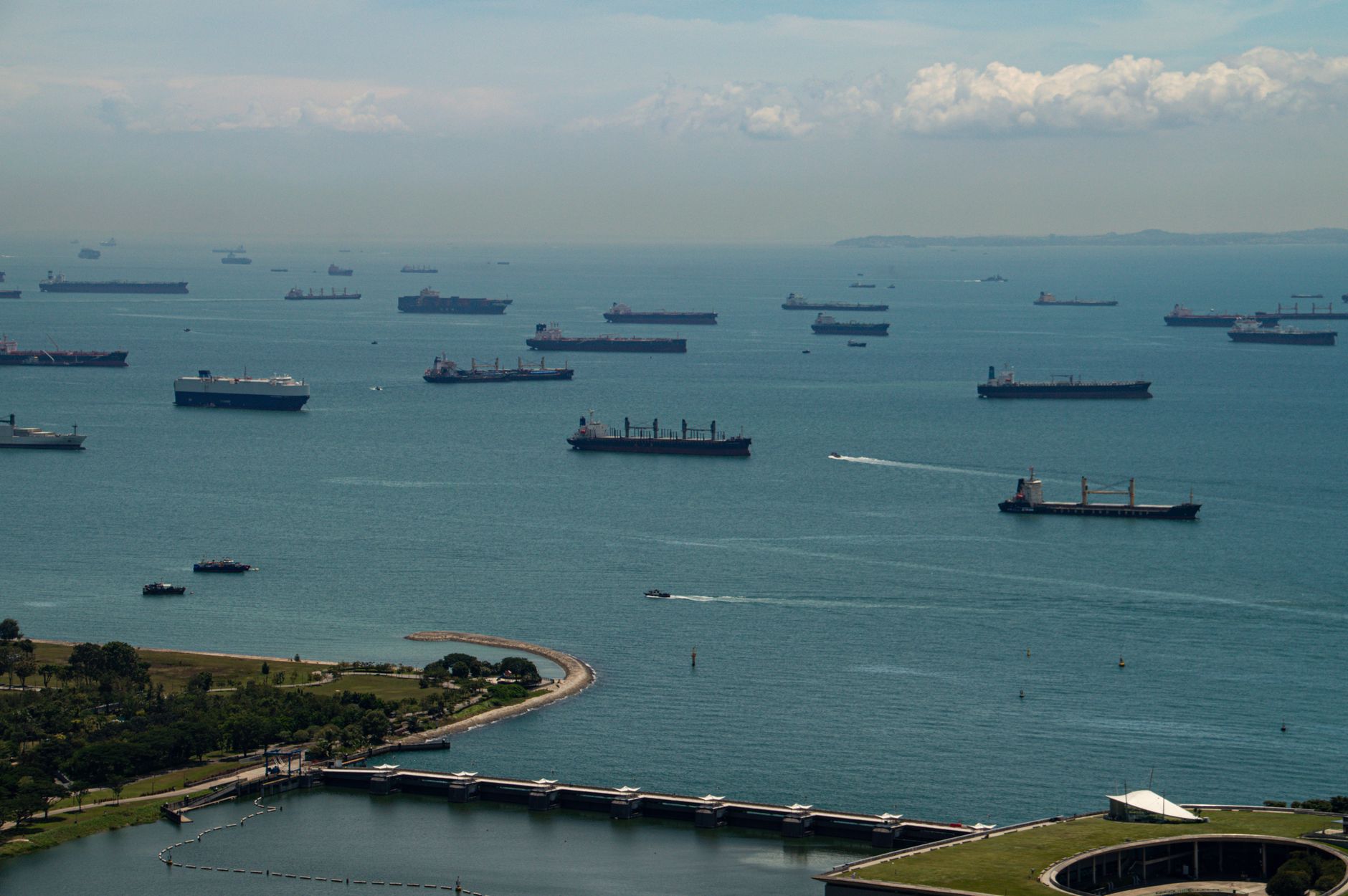
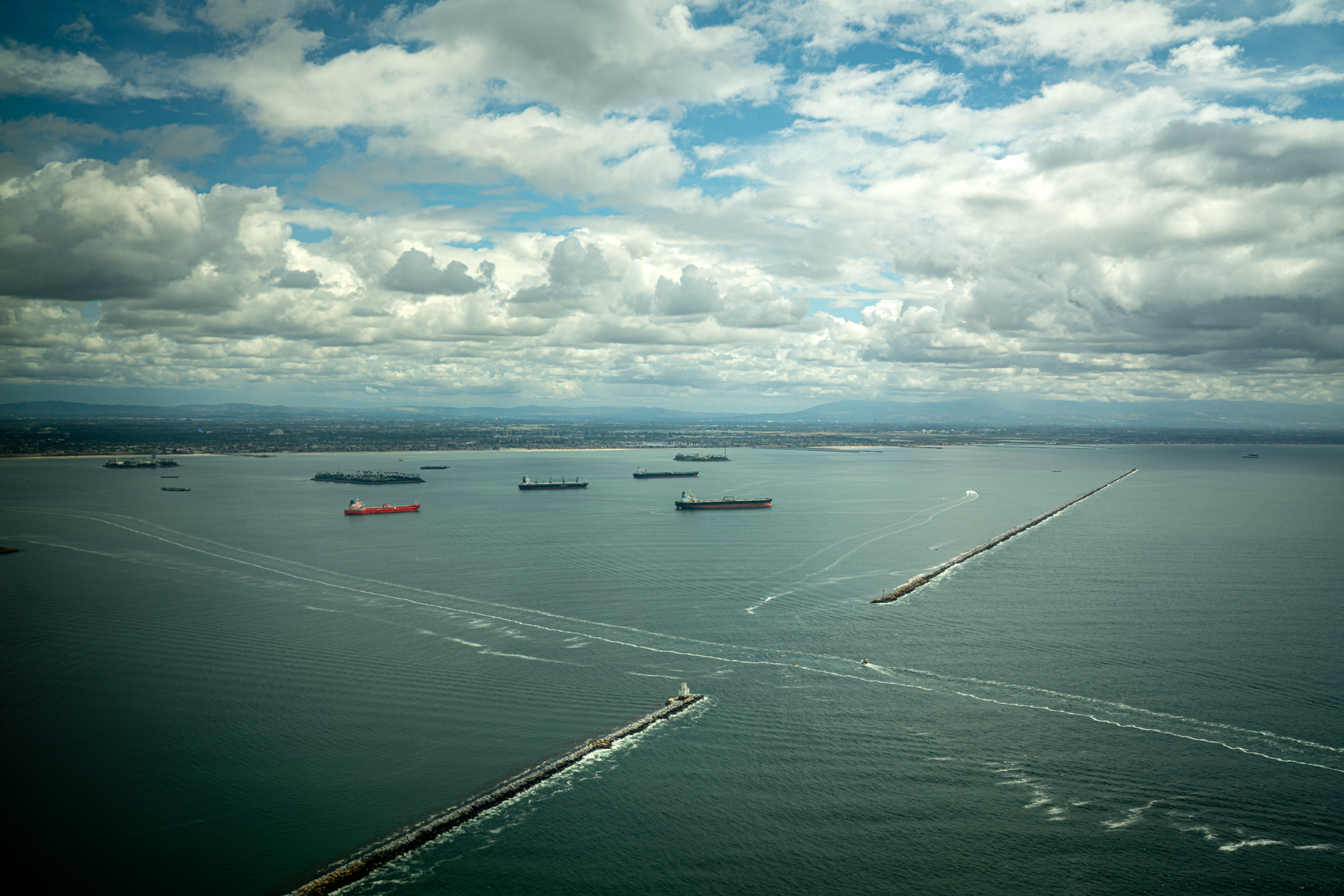
This is why Asia-Pacific security is now inseparable from economic geography. Maritime routes, chokepoints, and manufacturing hubs are no longer background features of the regional order; they are the order.[1][2]