Europe’s geopolitical awakening is not happening in a vacuum. It is colliding with a social landscape already marked by fatigue, anxiety and disagreement over what the Union is for.[1][4] The EU was created to reduce the risk of conflict and coordinate prosperity; now it is being judged on whether it can protect livelihoods as well as borders.
That shift matters because the Union’s legitimacy has always depended on tangible results. When Brussels is seen as distant or overly procedural, support weakens; when it delivers stability, funding and market access, it can still command loyalty.[1] The problem is that the current moment demands more visible protection than the EU has traditionally offered.
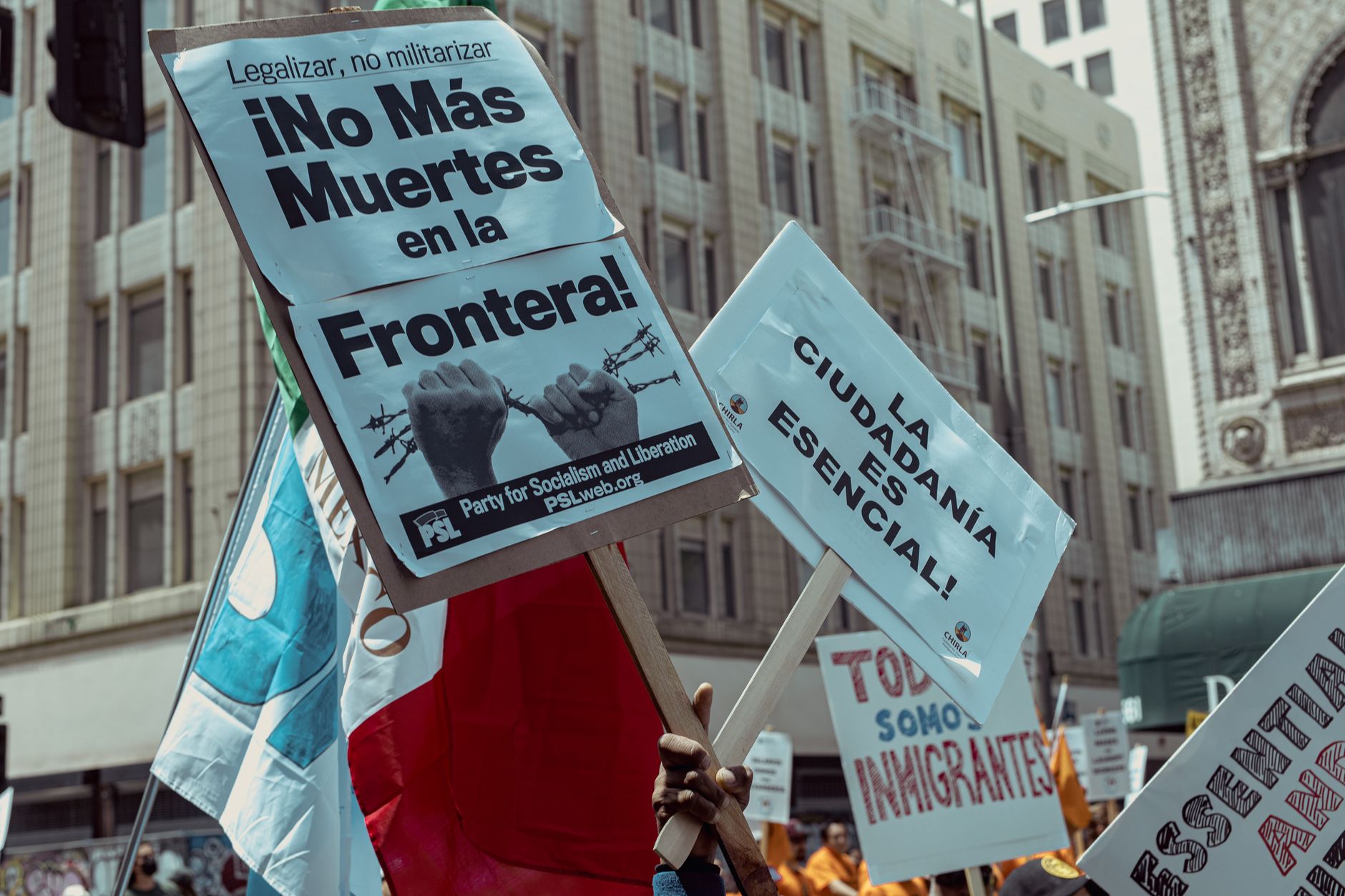
Migration remains one of the clearest stress tests. The Council on Foreign Relations notes that the bloc has recently grappled with the refugee crisis alongside Brexit and other internal strains, all of which have challenged unity.[1] In that climate, social questions become strategic questions, because migration is now debated not only as a humanitarian issue but as a test of state capacity and political control.
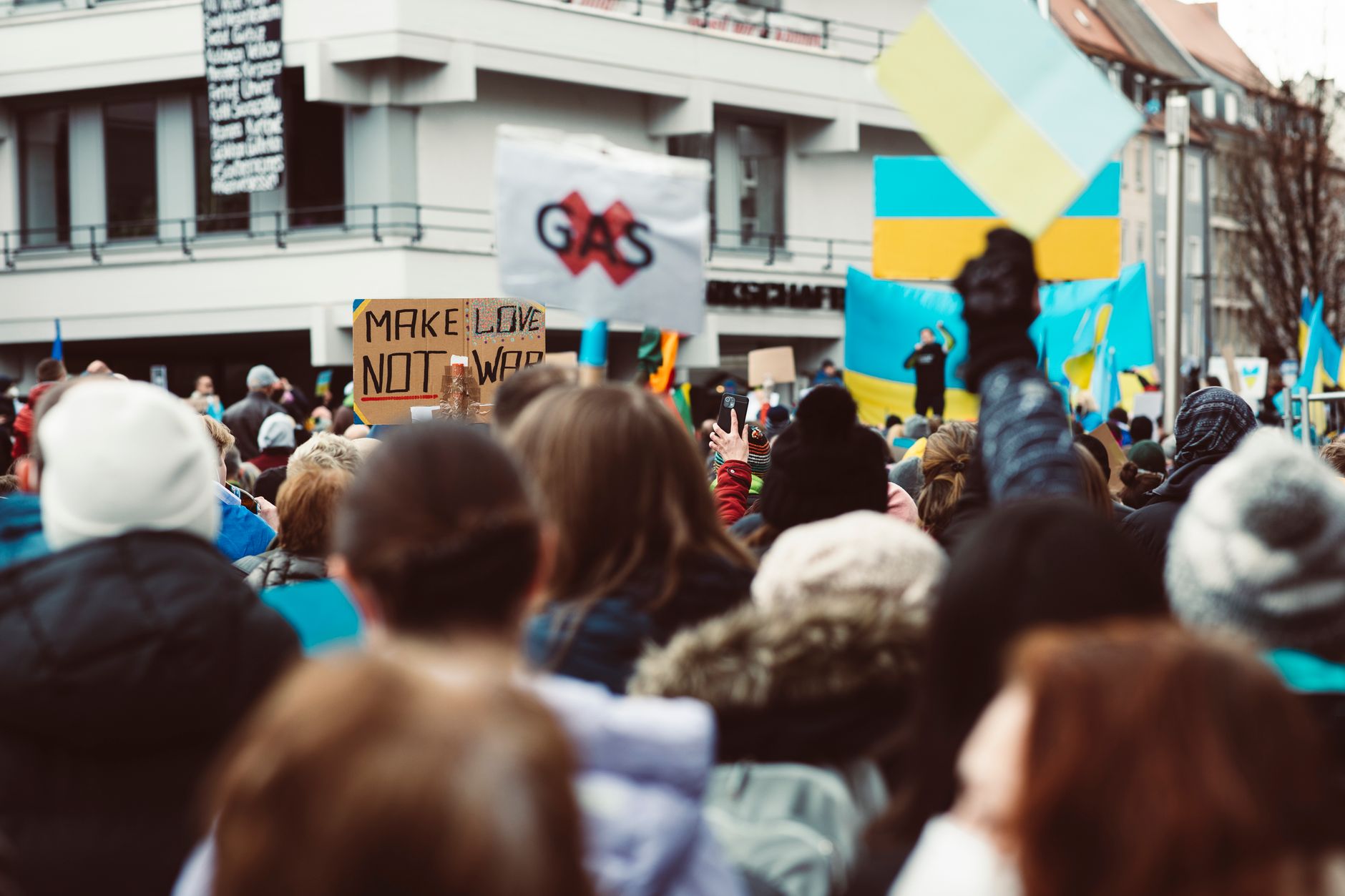
Civil society voices have argued that Europe can turn geopolitical disruption into opportunity, but only if it adapts to growing threats rather than pretending the old order will return.[3] That adaptation will require more than policy papers. It will require public trust that the costs of security, enlargement and industrial defense will be shared fairly.
The deeper risk for Europe is not a single crisis but a slow erosion of confidence in the promise that integration improves daily life. If citizens conclude that the EU is good at managing rules but bad at managing insecurity, the bloc’s political center will keep narrowing even as its responsibilities expand.[1][3][4]