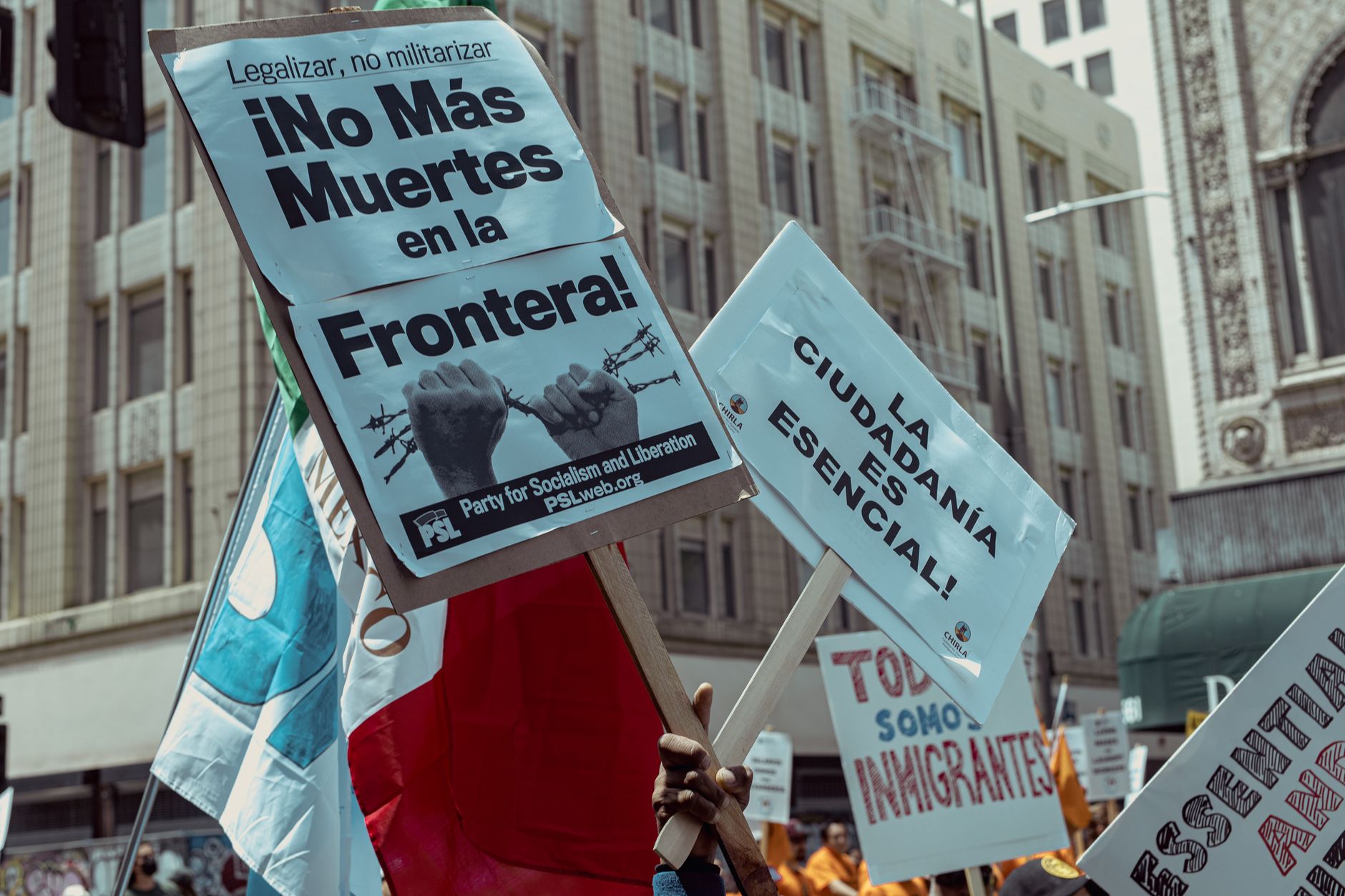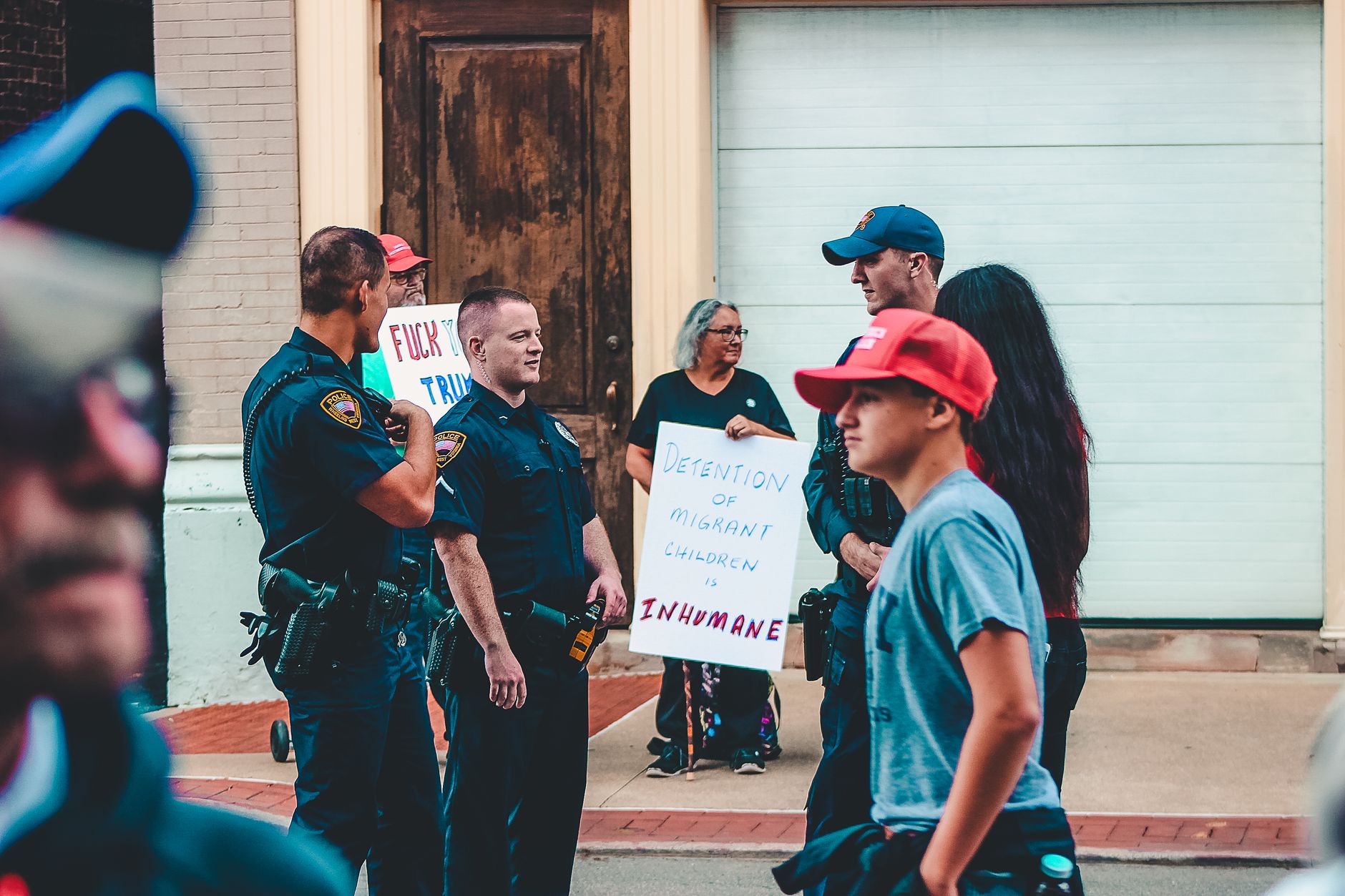
Immigration enforcement is becoming one of the most volatile domestic issues in the country, not because the debate is new, but because the tactics are becoming harder to ignore. A report on Tuesday described an organizer involved in an ongoing hunger strike at an ICE jail in California who was transferred between detention facilities without notice and then deported, which advocates say was retaliation for organizing.[1]
That allegation fits a wider pattern of escalating pressure. Advocates and faith leaders in Indiana also gathered outside Clay County Jail to demand the release of Salah Sarsour, a respected Palestinian community leader detained by immigration authorities.[1] These are not isolated scenes; they are symptoms of a system that increasingly relies on secrecy, speed, and deterrence.
What makes this politically explosive is the constitutional question sitting underneath it. The same reporting noted that White House officials had last year debated suspending habeas corpus rights for immigrants and asylum seekers as the president searched for ways to bypass judges in deportation cases.[1] That is not just an immigration dispute. It is a direct challenge to the idea that the executive branch must answer to the courts.
The administration will argue that the public wants control at the border and toughness in enforcement. But control without transparency tends to produce backlash, especially when families, religious groups, and civil rights advocates begin describing the system as arbitrary rather than orderly.
The immigration story of this summer may not be a single policy decision. It may be the cumulative effect of a government that is normalizing emergency methods. When that happens, the political debate shifts from who belongs to a more fundamental question: how much exception can a democracy absorb before it starts to look like the rule?