The indictment in Minnesota puts a hard edge on an already combustible national debate. Prosecutors say 15 defendants conspired to impede or injure federal officers, part of what authorities describe as a violent effort to oppose immigration law enforcement.
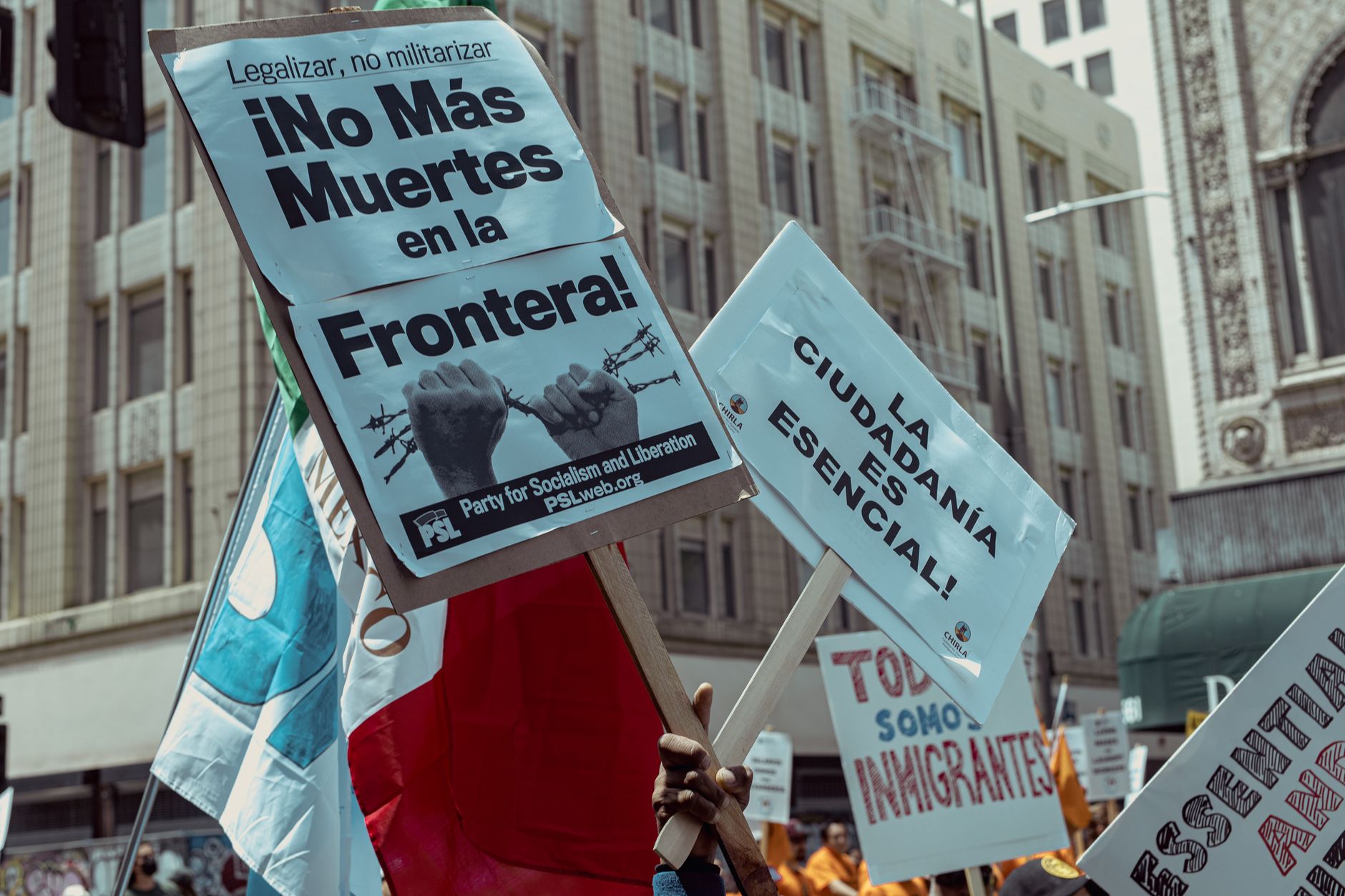
That language matters because the administration has made immigration one of its central governing themes, and opponents have increasingly responded with street-level mobilization as well as court challenges. This is no longer just a fight over policy labels in Washington. It is a contest over whether federal authority can be carried out without turning local communities into friction points.
The case also underscores how quickly immigration politics can move from rhetoric to confrontation. When federal agents are treated as symbols of a broader political project, enforcement itself becomes the target. That raises the stakes not only for the Justice Department, but for governors, mayors, and local police departments trying to keep a lid on volatile protests and counter-protests.
The administration will likely use the indictment to argue that resistance to immigration enforcement has crossed into criminality. Critics will answer that aggressive federal policy has helped create the conditions for escalation. Both claims can be true at once, and both reflect a country that is increasingly sorting itself by its answer to immigration, order, and authority.
If there is a political lesson here, it is that immigration is no longer confined to border statistics or campaign slogans. It is shaping the daily reality of law enforcement, the federal courts, and the temperature of American civic life.