Europe’s social debate is becoming more brittle because the pressures are arriving all at once. Migration, war, inflation aftershocks, and low-growth pessimism are converging into a politics of anxiety, where citizens increasingly want protection from change rather than arguments about long-term integration.
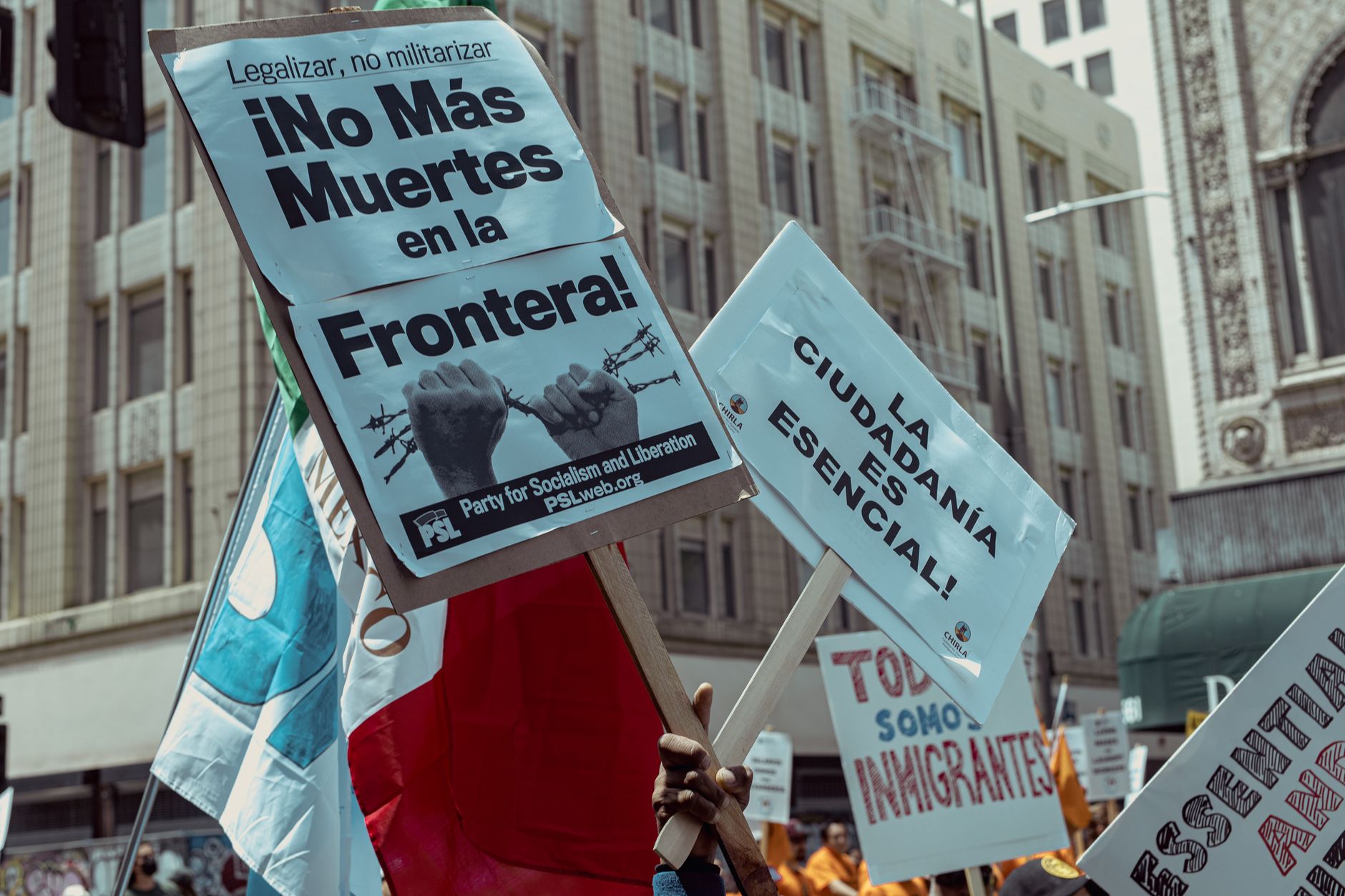
The Mediterranean remains one of the most visible fault lines. Continued crossings have sustained tensions over migration, reminding EU leaders that border management is still one of the bloc’s most politically explosive issues. It is not just a policy challenge; it is a test of trust between member states, many of which remain divided over responsibility-sharing.
That internal friction is amplified by a broader sense of insecurity. When households feel economic pressure and governments talk constantly about external threats, the political center narrows. In that environment, parties that promise control tend to gain ground, while institutions that rely on compromise sound distant and slow.
The EU’s own response has often been technocratic rather than political. Officials talk about resilience, cohesion, and skills, and those remain important. But a society that feels exposed wants visible fairness as well as administrative competence. Without that, the language of solidarity can start to sound disconnected from daily life.
What Europe is facing is not a single social crisis but a cumulative one. The old promise was that integration would make the continent safer, wealthier, and more open. In 2026, Brussels has to prove that openness can still coexist with order, or the political argument for Europe itself will keep weakening.