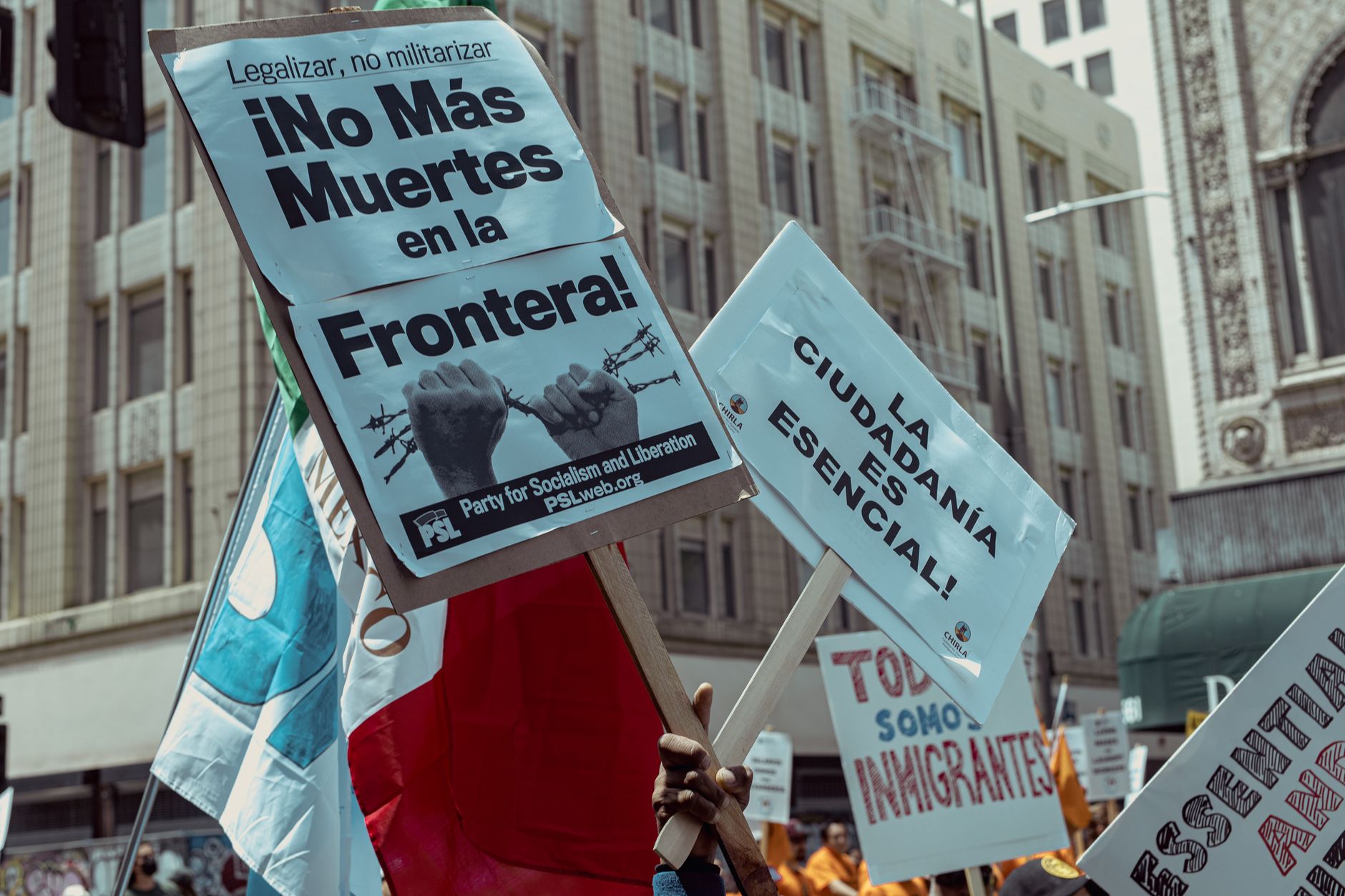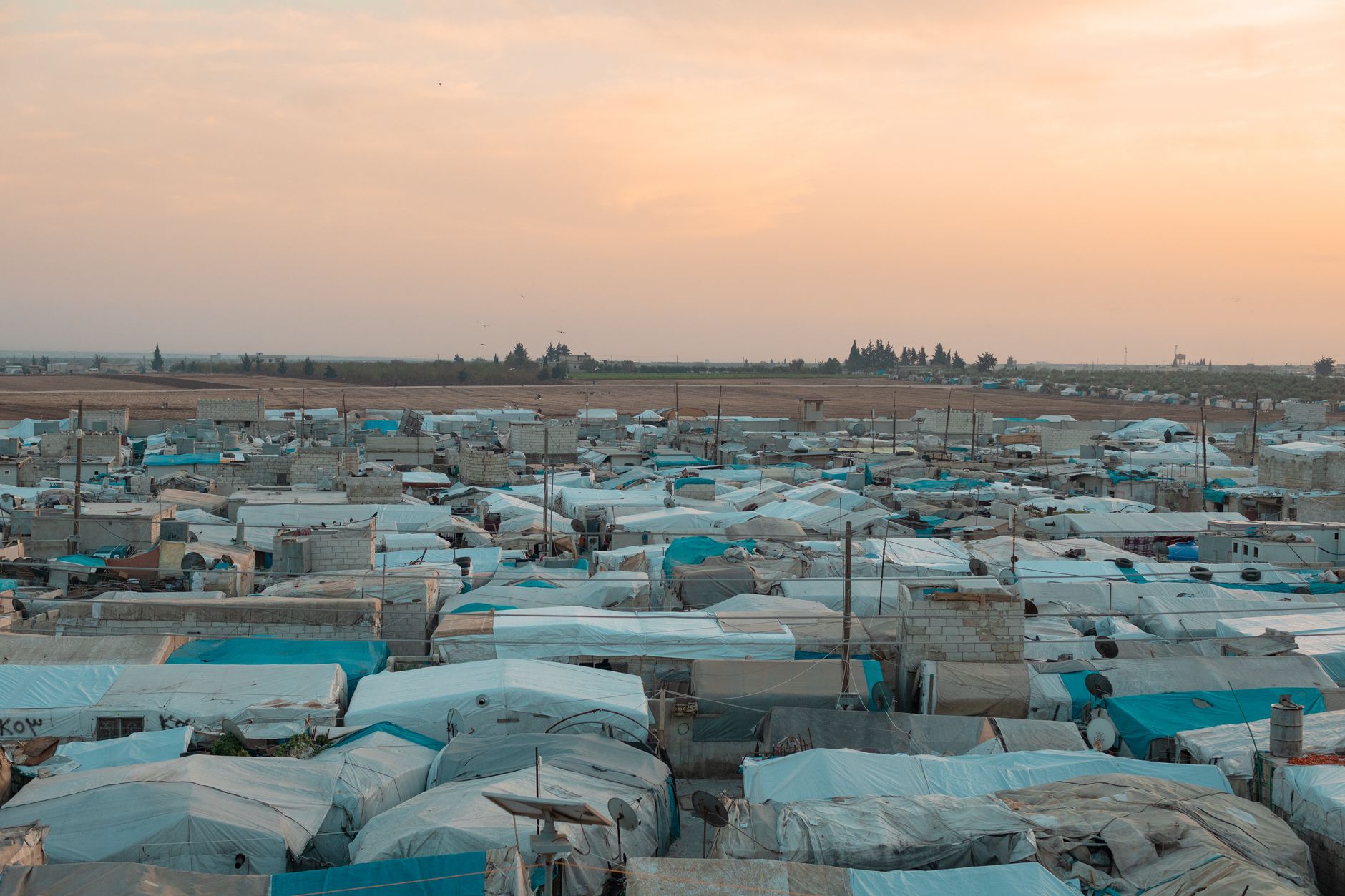
The European Union's Schengen system teeters on collapse as migration surges, border controls expand, and the Entry/Exit System implementation stalls, threatening to fracture Europe's internal unity. The Commission warns that internal fragmentation could undermine the bloc's core values, while member states demand stricter asylum policies and faster returns. The new State of Schengen report reveals a continent in crisis, with internal borders closing and returns procedures becoming increasingly bureaucratic.
Migration remains the EU's most contentious issue, with member states pushing for stricter asylum policies while the Commission insists on balanced, humane approaches. The Commission discusses the possible extension of temporary protection for Ukrainians, but the debate exposes deep divisions on how to manage irregular migration across the continent. The Entry/Exit System, designed to track travelers and prevent illegal entries, faces implementation delays that have left borders exposed to security threats.
Internal border controls have expanded dramatically, with countries like Austria and Hungary imposing restrictions that violate Schengen principles. The Commission accuses member states of unilateralism that undermines the bloc's collective security, yet the measures reflect growing public anxiety over migration and crime. The EU's returns policy remains fragmented, with some states refusing to accept asylum seekers while others demand faster deportations.
The EU's enlargement agenda for the Western Balkans has stalled, with Serbia's President Aleksandar Vucic facing pressure to accelerate reforms for EU accession. The Commission confirms a phone call between von der Leyen and Vucic, but the upcoming Western Balkans summit remains overshadowed by migration and security concerns. The Growth Plan for the region faces resistance from member states unwilling to fund further integration without progress on asylum and border control.
Europe's internal unity hinges on whether the Commission can enforce Schengen principles while addressing member states' demands for stricter migration policies. The EU's response to the crisis remains fragmented, with no unified strategy to manage migration, border controls, or the Entry/Exit System. The bloc's future depends on whether it can transform strategic anxiety into decisive action before the next crisis reshapes the continental order.