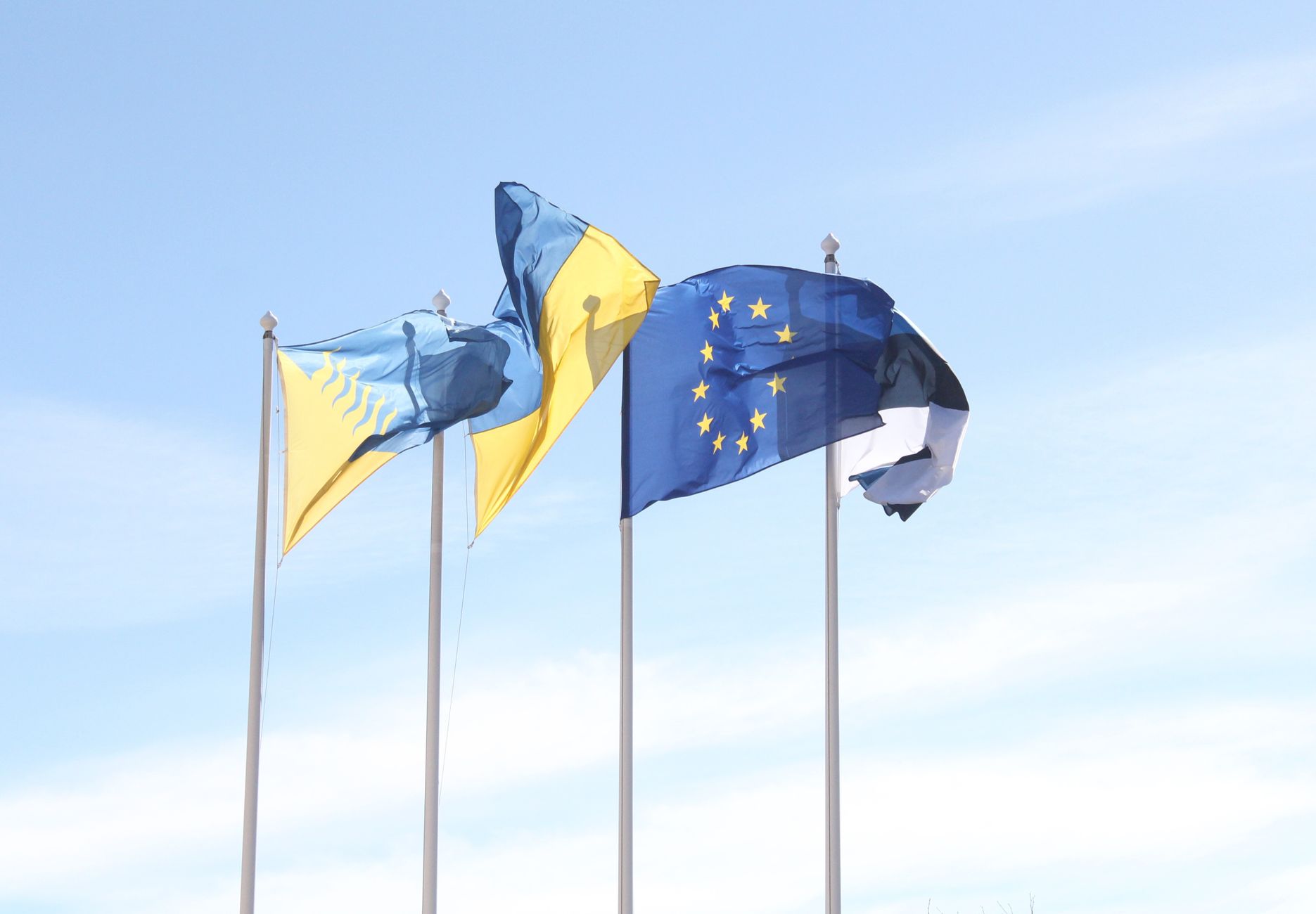
The 2026 G7 Summit in Évian has become a crucible for European leadership, with Ursula von der Leyen and Pedro Costa stepping onto the world stage as the EU faces unprecedented pressure. As global powers debate Ukraine’s future, Iran’s nuclear ambitions, and the rising risks of artificial intelligence, Europe’s cohesion is fracturing under the weight of competing national interests.
Von der Leyen’s rhetoric emphasizes a unified defense of democratic values, yet behind closed doors, EU member states clash over the pace of sanctions against Russia and the scale of support for Kyiv. Costa, representing Portugal’s pragmatic stance, urges caution on trade wars that could cripple Europe’s economy, signaling a divide between Brussels’ idealism and national survivalism.
The summit’s agenda highlights a critical truth: Europe is no longer a passive observer but an active player in a volatile geopolitical arena. Yet, its ability to act decisively remains hampered by bureaucratic inertia and the lack of a coherent foreign policy framework. As the G7 deliberates, the EU’s strategic drift is starkly evident.
Critics argue that Europe’s response to global crises is reactive rather than proactive, driven by immediate threats rather than long-term strategy. Without a clear vision, the bloc risks becoming a footnote in the unfolding power struggles between Washington, Beijing, and Moscow. The G7 Évian moment is not just a test of diplomacy—it is a verdict on Europe’s future relevance.