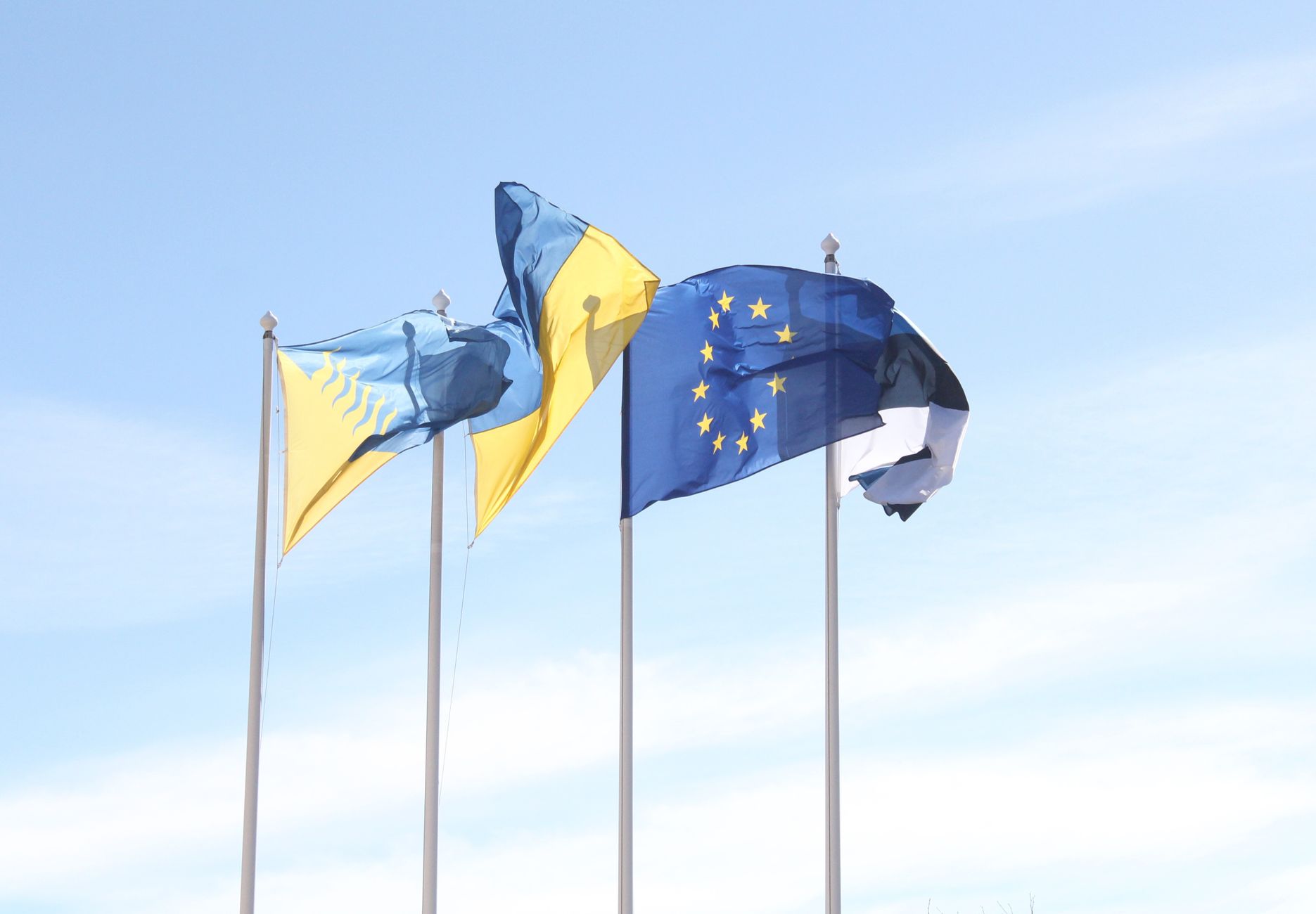
The European Union’s global standing in 2026 is in jeopardy, with critics describing it as exposed, stretched, and increasingly on its own. From Ukraine’s precarious path toward EU integration to the widening gaps in defense capabilities, the bloc is struggling to maintain its position as a geopolitical anchor.
Shifting EU-China relations and the rapid rise of artificial intelligence are reshaping the global order, forcing Europe to make critical choices. The battle over the EU’s long-term budget and the struggle to fund climate and ocean protection highlight the bloc’s internal fractures. Without a unified strategy, Europe risks being sidelined in the new power dynamics.
Expert analyses suggest that the EU is caught between strategic drift and strategic choice. The former implies a passive response to crises, while the latter demands bold, proactive action. The question is whether Europe can muster the political will to redefine its role in a world where rules-based order is under pressure.
As global power balances shift, the EU must decide if it will lead or follow. The answer will shape Europe’s security, prosperity, and democratic values for decades. Without a clear vision, the bloc risks becoming a relic of the past, unable to adapt to the challenges of the future.