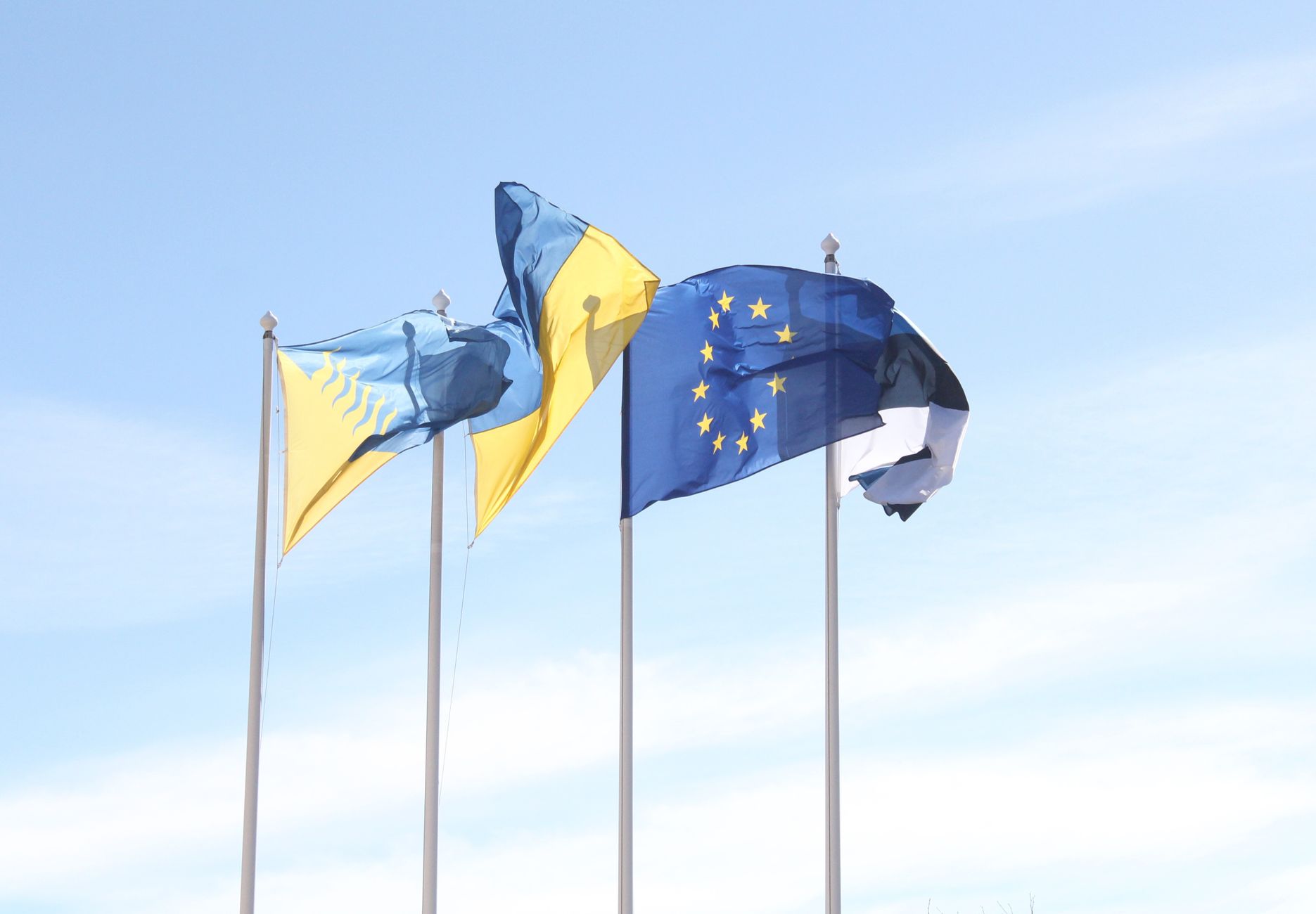
European leaders are decisively pivoting toward strategic autonomy, driven by President Trump's aggressive stance and the erosion of traditional transatlantic guarantees. German Chancellor Friedrich Merz has made it clear that Europe "needs to become significantly more autonomous from the United States in terms of security policy," marking a fundamental departure from decades of reliance on American protection [1]. French President Emmanuel Macron echoes this urgency, advocating for reduced risks relative to major powers to cement Europe's independence [1].
The continent is now openly debating bold measures to secure its future, including collaborative nuclear deterrents and massive domestic energy resource development. Leaders are pushing for a surge in semiconductor production within Europe to close critical technological gaps and reduce dependency on foreign supply chains [1]. This push for self-reliance is not merely economic but a direct response to the top risk identified by experts: the potential US withdrawal of security guarantees to European allies [6].
Experts warn that Europe's most immediate threat in 2026 is not a conventional tank invasion but a disruptive hybrid strike on critical infrastructure [6]. The ongoing Russian aggression in Ukraine, coupled with the expanding presence of China and turmoil in the Middle East, creates a volatile environment that demands a unified European response [3]. The EU is now prioritizing defense capability gaps as a central issue for 2026, recognizing that the old NATO model is insufficient for a post-American security order [4].
A new security architecture is emerging, one that is flexible, coalition-based, and applicable across both Eastern and Southern strategic perimeters. This model seeks to strengthen the European pillar of NATO while simultaneously preparing for a future where the American role is downsized and redefined [5]. Europe is coming together to chart its own course, even as it cracks under the pressure of these seismic geopolitical shifts.


