Immigration enforcement has entered a more aggressive phase, with reports that ICE detained more than 10,000 immigrants in just five days and that the White House has ordered officials to aim for at least 2,000 arrests a day.[2] That is not a routine enforcement memo; it is a signal that the administration wants immigration to function as a constant show of force, not merely a border policy.
The scale matters because it changes the political and human reality on the ground. Large detention surges can overwhelm local systems, strain federal resources, and place immediate pressure on communities with deep ties to immigrant labor and family networks.[2] Even when officials present these operations as necessary enforcement, the speed and volume alone can shape public perception, especially in cities where immigration is already a flashpoint.
The strategy also serves a broader political purpose. Immigration remains one of the most effective issues for mobilizing Trump’s base, and a high-profile enforcement campaign lets the White House project control while framing opponents as soft on law and order. But the more dramatic the numbers become, the more likely the debate shifts from legality to proportionality: how much enforcement is enough, and what costs are acceptable.
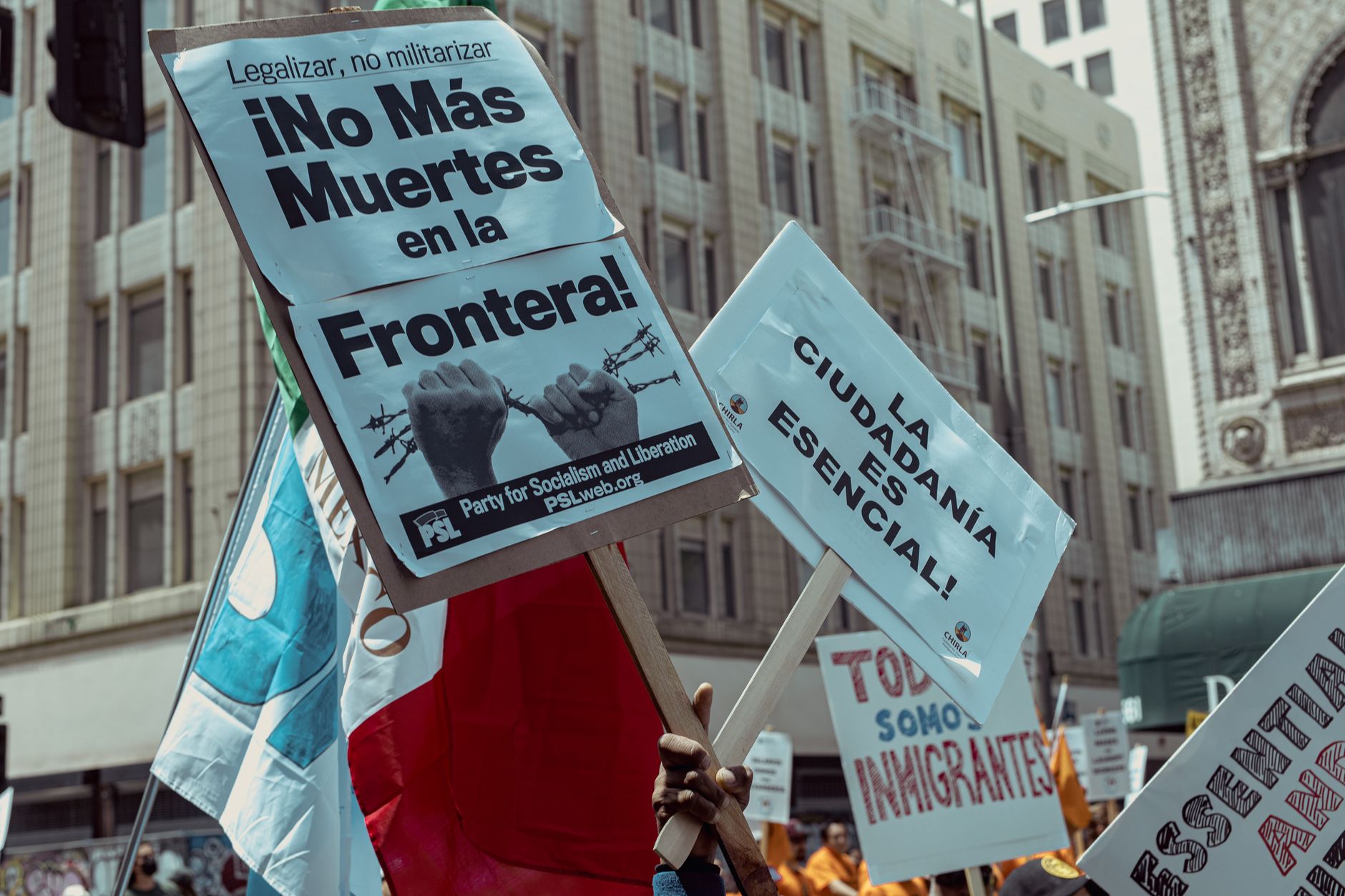
That question is not abstract. Rapid detention increases can heighten legal challenges, provoke protests, and deepen tensions between federal authorities and local governments that resist cooperation. They also raise practical concerns about due process, detention conditions, and the burden placed on courts and immigration attorneys trying to keep pace with the caseload.[2]
For the administration, the risk is that aggressive enforcement may satisfy political demands while creating operational problems that linger long after the headlines fade. For immigrant communities, the immediate reality is simpler and harsher: the machinery of enforcement is moving faster, and the consequences are arriving faster too.[2]