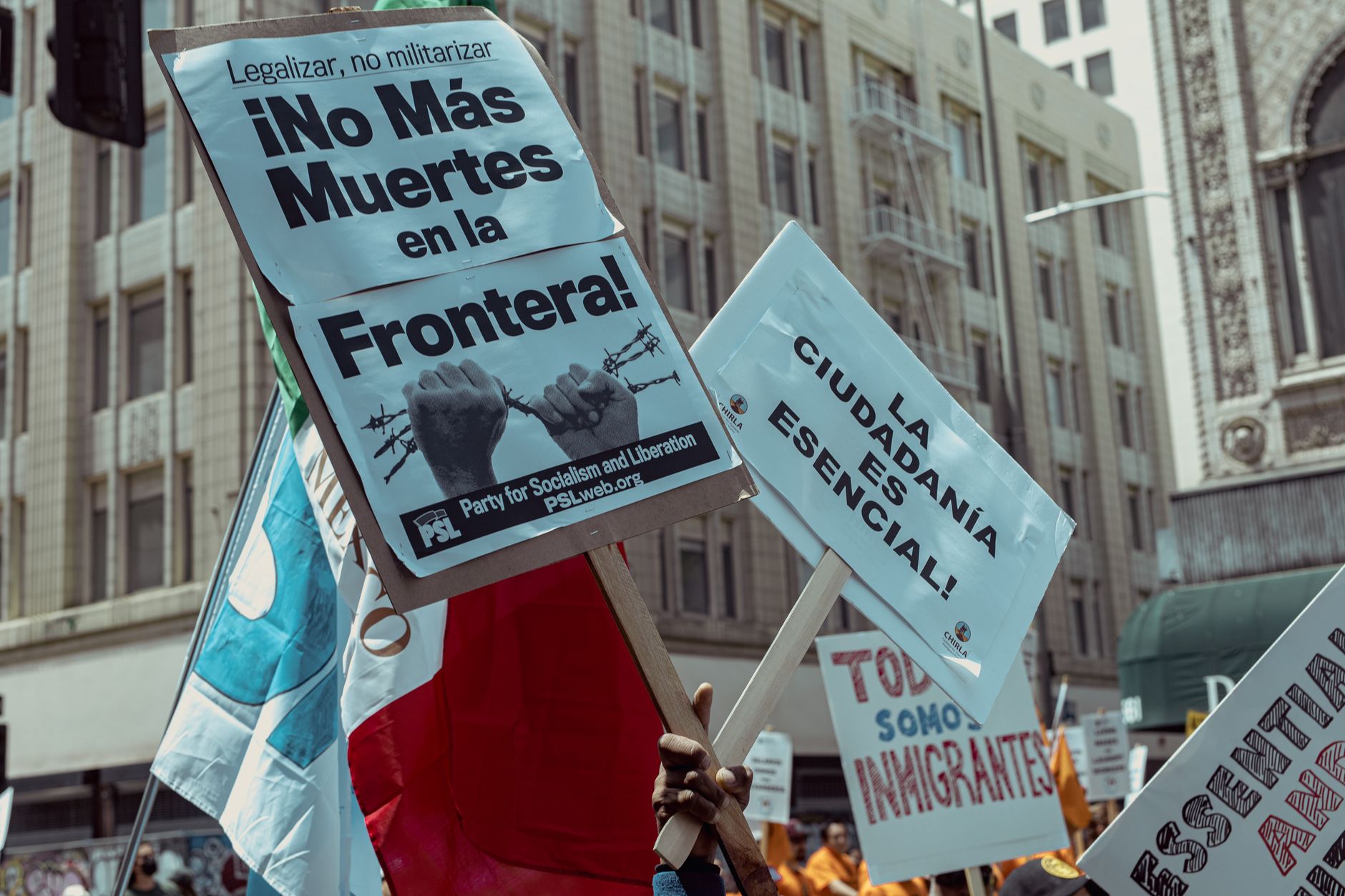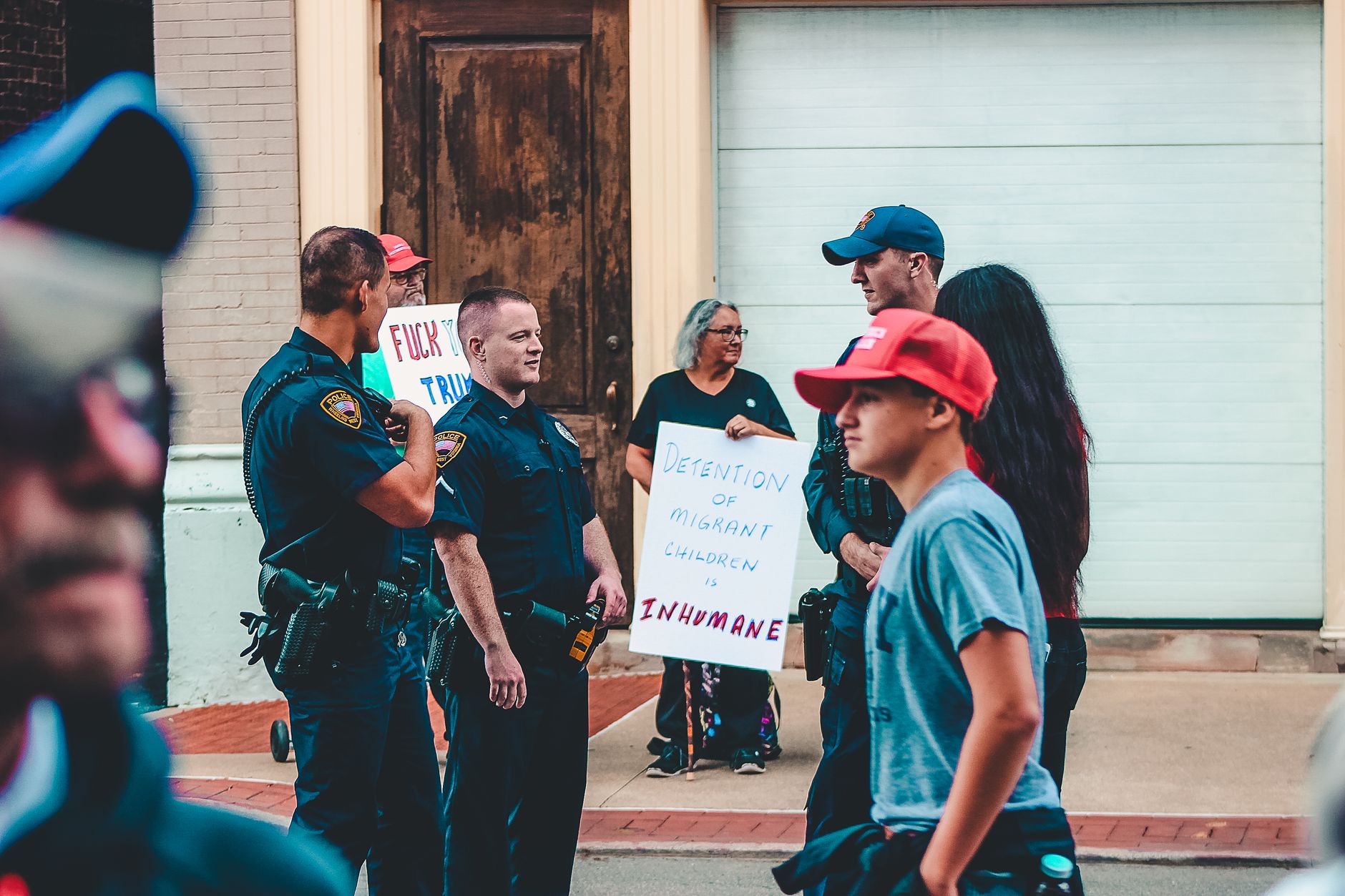
Immigration is again one of the most combustible issues in American public life, but the new phase of the debate is defined by enforcement rather than legislation. In New York, police say a former Army veteran was taken into custody after using fireworks to start a fire outside 26 Federal Plaza, where many immigrants have been held in unsanitary and overcrowded conditions.
That incident lands in the middle of a broader fight over how far the federal government can go in detaining and removing migrants. Courts have repeatedly pushed back on Trump administration efforts to hold immigrants indefinitely without bond hearings, while the administration is now using the Alien Terrorist Removal Court for the first time in nearly three decades.
The political logic is obvious: immigration remains one of the few issues where hardline action still energizes the president’s base. But the operational reality is more complicated. Detention systems are strained, legal challenges are multiplying and local officials are increasingly caught between federal enforcement and public backlash.
What makes the current moment different is how visible the pressure points have become. A detention facility in Manhattan is not a border town processing center; it is a symbol, and a highly charged one, of how immigration policy has moved from the edges of American politics into the center of city life.
The next fight is likely to be less about slogans and more about capacity, legality and the human consequences of a system under stress. The politics may be national, but the fallout is local.