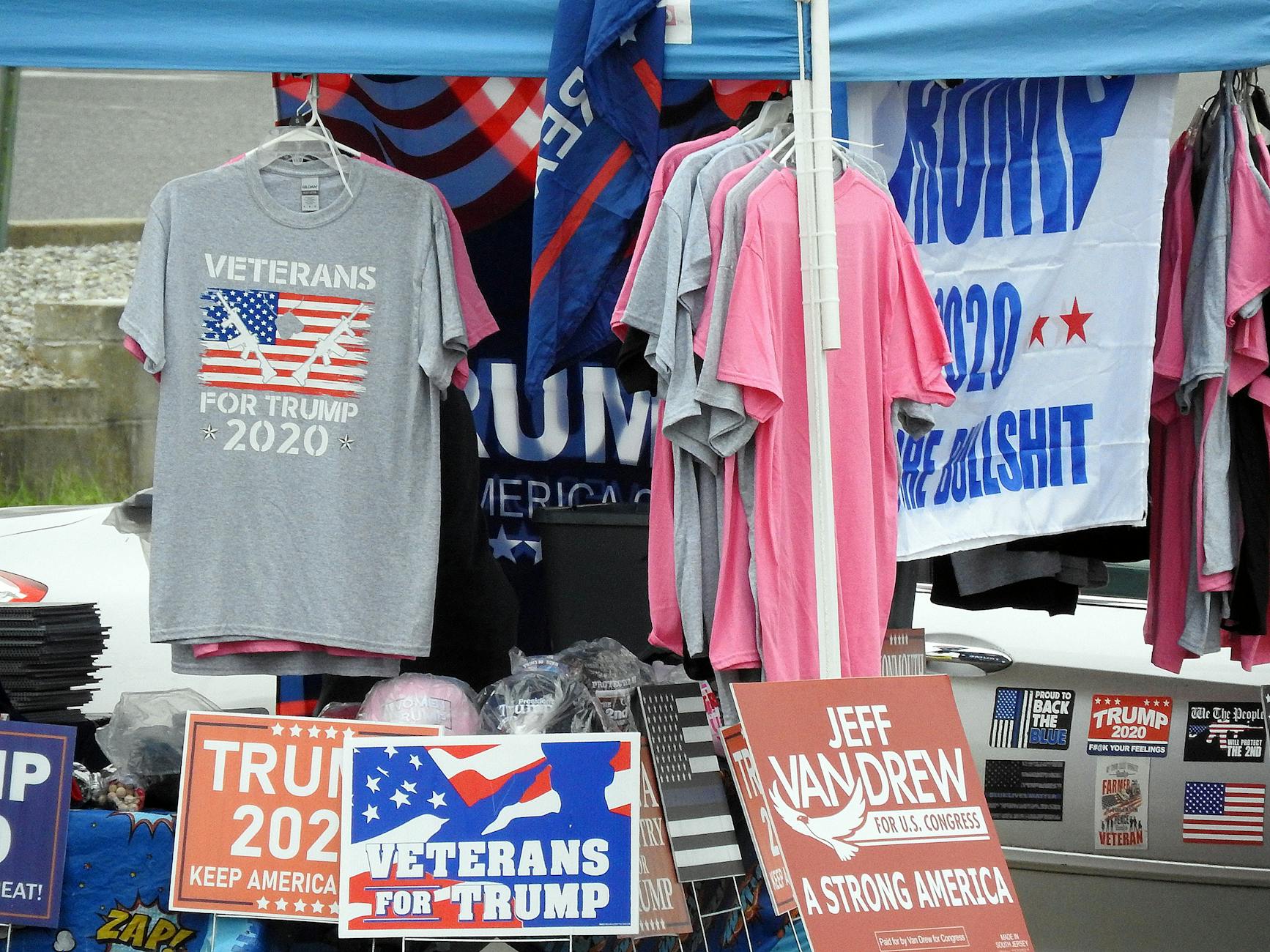
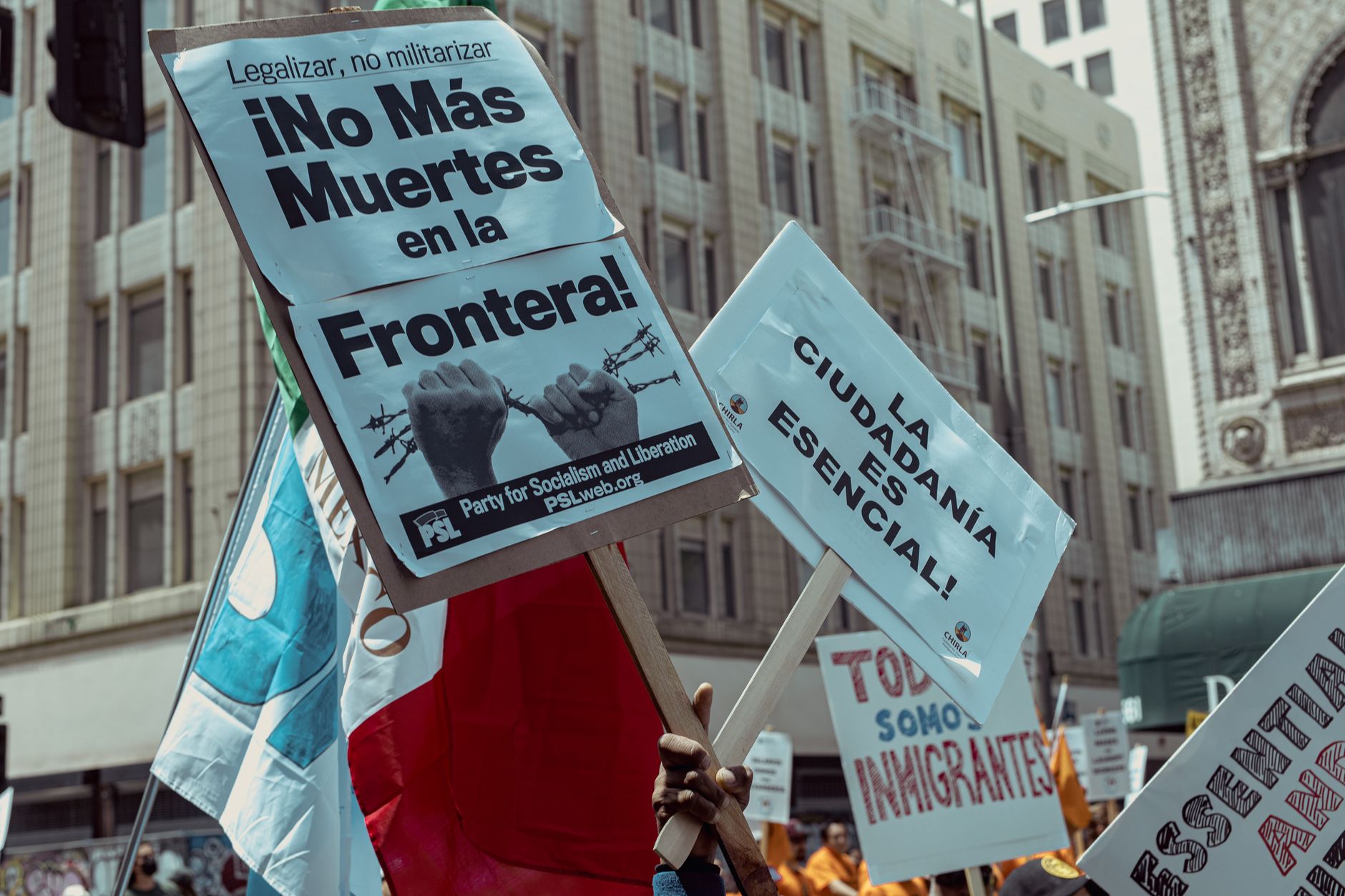
The United States is often described as polarized, but that word understates the problem. Polarization implies two loud camps shouting at each other across a divide. What is emerging now is something more corrosive: a collapse in civic trust that makes it harder for people to believe in shared facts, fair institutions or even benign motives from people they disagree with.
This is visible in the most ordinary places. School boards, city councils, neighborhood meetings and local media outlets have all become battlegrounds for grievances that once would have stayed private or local. Public institutions are asked to absorb the full weight of national conflict, and when they fail to satisfy everyone, suspicion deepens further.
The consequence is that social conflict is no longer confined to ideology. It has become a way of life. People increasingly interpret disagreement as hostility and compromise as weakness. That mindset is poisonous in a democracy, because self-government depends on the assumption that political opponents are rivals, not enemies.
Federal leaders have contributed to the problem by treating outrage as a governing tool. But the damage is not just top-down. Social media has rewarded the most extreme voices, local institutions have been pulled into nationalized fights, and families have learned to avoid topics that once anchored communal life. The fragmentation is cultural, political and technological all at once.
If this sounds abstract, it should not. Low trust raises the costs of everything from public health campaigns to disaster response to elections. It also feeds the appetite for strongman politics, because people who no longer trust institutions often become willing to accept almost anything that promises order. That is why the country’s social crisis is not separate from its political one. It is the infrastructure beneath it.