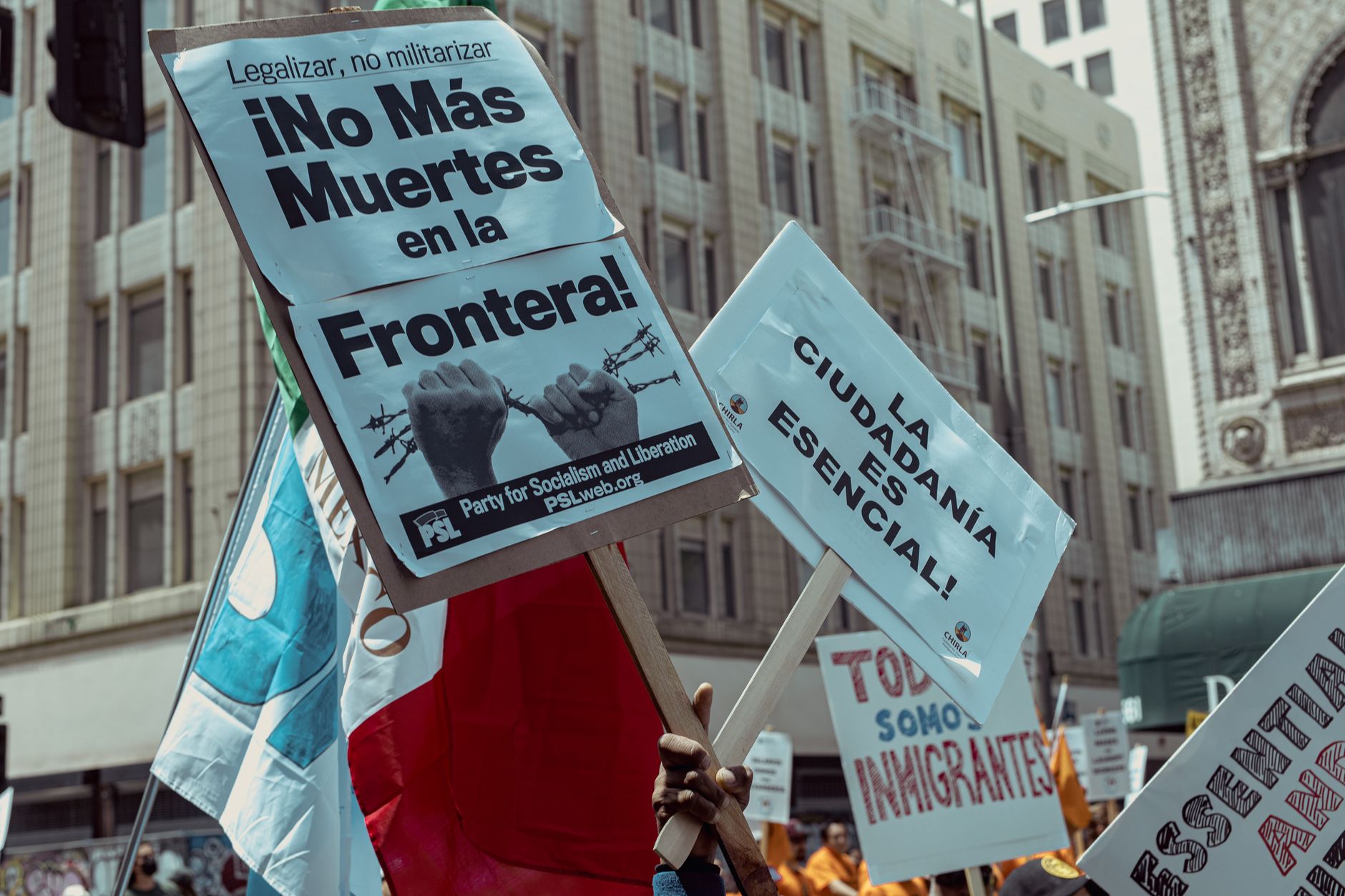
The United States is entering a summer shaped by overlapping strains at home: immigration enforcement, protest politics, and a media ecosystem that increasingly feeds political identity rather than public consensus. The cancellation of the planned closure of the so-called “Alligator Alcatraz” facility and the shake-up in Border Patrol leadership are only the latest signs that border policy remains one of the most volatile issues in American politics.
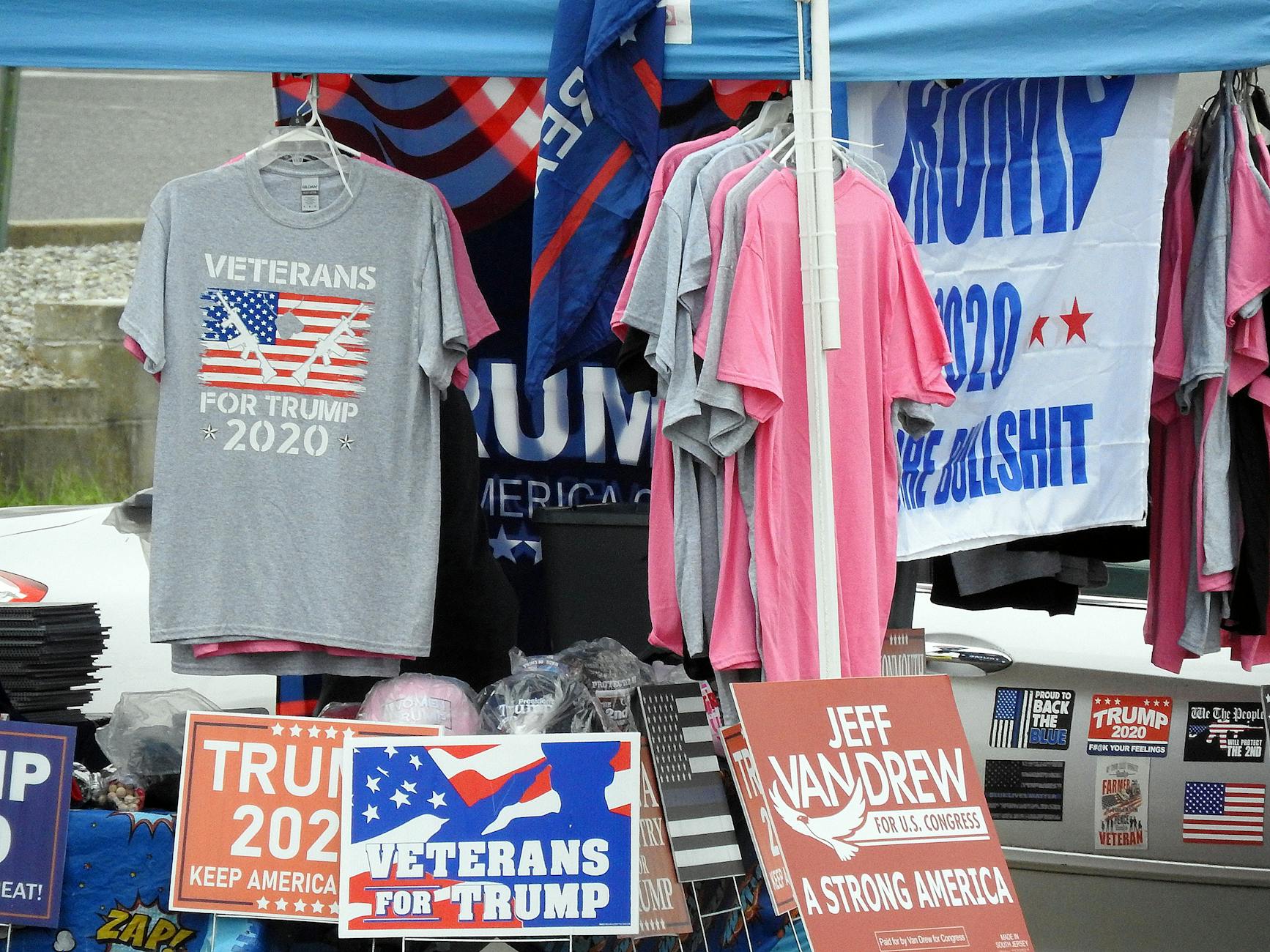
At the same time, the country is witnessing a growing normalization of spectacle in politics. A new generation of reality TV personalities and internet-native figures is translating on-screen fame into campaign viability, changing how candidates raise money, message, and mobilize supporters. That shift may entertain voters, but it also rewards grievance, performance, and speed over competence and deliberation.
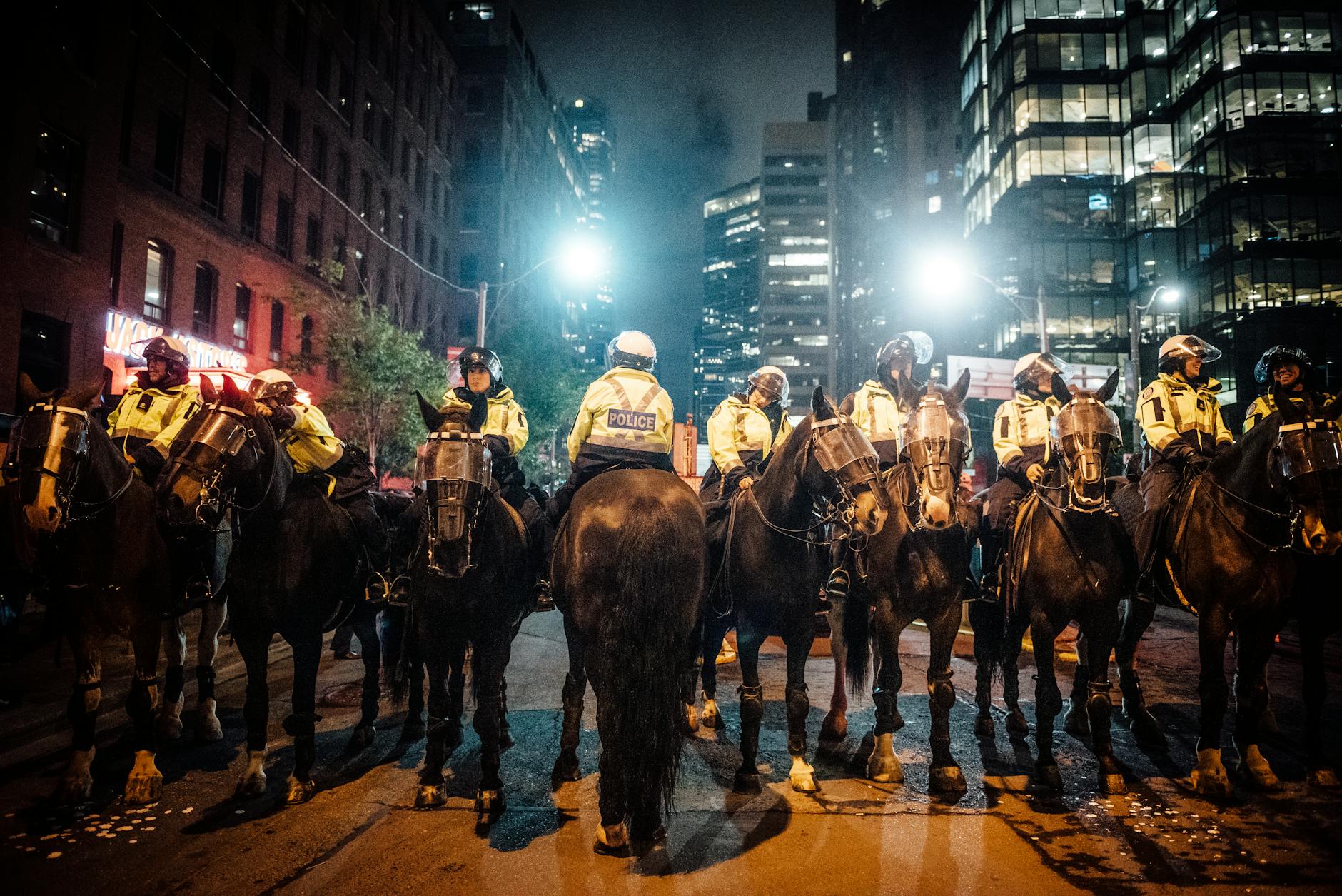
The public square is equally fragmented. In London, rival demonstrations drew massive police deployment, a reminder that migration and identity politics can quickly spill into the streets. The United States has not reached that point, but the same forces are present: anger over border control, distrust of institutions, and a political class that often speaks in absolutes rather than workable policy.
Those pressures are amplified by the national conversation around law enforcement, protests, and public order. The more politics is framed as a battle between outrage and resistance, the harder it becomes to build durable solutions on immigration, policing, or civic trust.
What emerges is a country where domestic policy is increasingly inseparable from performance politics. That is bad news for governance, because the issues most in need of steady administration are the ones most likely to be treated as content.