The Blockade That Stopped the World
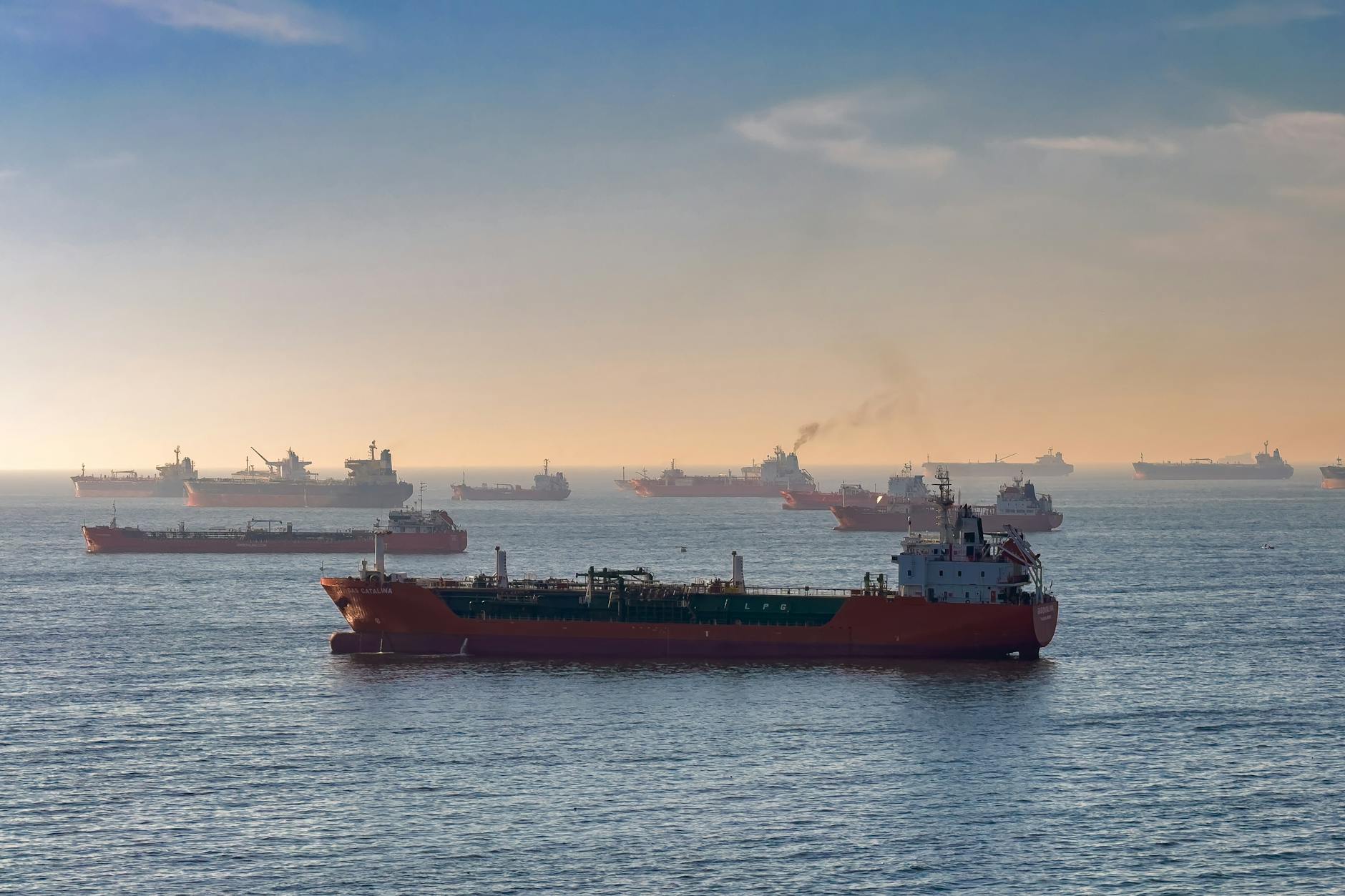
In the sweltering choke point of the Strait of Hormuz, where 27 percent of the world's seaborne oil once flowed freely, a U.S. naval armada now enforces a blockade that has frozen global commerce in its tracks. Launched on April 13, 2026, after fruitless talks in Pakistan collapsed, this audacious move by President Donald Trump's administration marks the sharpest escalation yet in Operation Epic Fury—a campaign that began in late February with airstrikes decapitating Iran's leadership, only to devolve into a grinding stalemate. Brent crude has surged above $100 per barrel for the first time since 2022, insurers have fled, and tankers idle in limbo, as the International Energy Agency labels this the largest oil disruption in history.
Tehran, resilient under the interim rule of Mojtaba Khamenei following the death of Supreme Leader Ali Khamenei, clings to de facto control of the strait. Iranian missiles intermittently rain on Israeli cities and American Gulf assets, while a nominal two-week ceasefire—now expired—hangs by the thread of indirect Pakistani mediation. The human toll mounts: over 1,444 dead and 18,500 injured from U.S.-Israeli strikes as of late March, plus 13 American service members and 18 Israelis lost. Yet markets, in a bizarre detachment, have shrugged off the shock. U.S. stocks hit all-time highs even as headlines scream apocalypse. This is the paradox of our moment: geopolitics at the forefront, yet investor complacency reigns.
Trump's High-Risk Poker Game
President Trump's strategy is pure bravado, a sequel to his Venezuelan playbook. Postponing strikes on Iranian energy infrastructure for five days pending talks, he now threatens an amphibious assault on Kharg Island, Iran's oil export hub. Seize the island, cripple Tehran's revenues, and claim victory—that's the pitch. But intelligence assessments paint a grimmer picture: Iranian regime collapse is unlikely, and Tehran wields the strait as leverage against nuclear concessions or Israeli operations in Lebanon. Major agreements are improbable; renewed military action looms large.
"Iran’s de facto control over the Strait of Hormuz provides it with significant leverage to avoid concessions regarding Iranian nuclear and other weapons programs."
Trump's team seeks a swift end without full escalation, eyeing diplomatic off-ramps or multinational efforts to pry open the strait. Yet history rhymes ominously with failed Venezuelan negotiations that preceded U.S. intervention. Israel, meanwhile, vows to press Lebanon strikes regardless of any U.S.-Iran truce, tying hands further. With 2,500 Marines surging into the region, the ground phase beckons—a potential quagmire echoing Iraq's ghosts.
This is not mere adventurism; it's a calculated bid to reshape the Middle East on American terms. Russia reaps windfalls from spiked oil prices, bolstering its Ukraine slog despite battlefield setbacks near Dnipropetrovsk. China watches warily, its delayed summit with Trump unlikely to thaw tensions soon. Europe, reeling from energy shocks and April elections in Hungary exposing Moscow's isolation, faces political fragmentation.
Markets in Denial: The Tech Mirage
Geopolitics has morphed from tail risk to headline reality, yet markets behave as if insulated. The S&P 500 tests key resistance amid semiconductor divergence and Bitcoin at $74,000, defying traditional risk-off spirals. Investors, fattened on AI hype and tech unicorns, ignore the disruptions. Why? Psychological rewiring: post-pandemic stimulus and endless liquidity have bred complacency. But this blockade isn't abstract; it's a supply shock throttling semiconductors, EVs, and every tech lifeline from Taiwan to Texas.
Consider the cascade: oil at $100-plus inflates costs for data centers guzzling energy for generative AI. Chip fabs, already strained by U.S.-China frictions, face raw material squeezes. Renewables, Trump's touted "America First" pivot, falter without cheap shipping for solar panels and batteries. The future of tech—autonomous vehicles, quantum computing, biotech—hinges on stable energy. One misfired missile, one sunk tanker, and the mirage shatters. Investors aren't ignoring risks; they're betting on endless American dominance. Hubris, again.
Democracy's Fragile Thread
Beneath the naval maneuvers, democracy strains. Trump's second term, fueled by populist fury, now wages war without broad congressional buy-in, evoking executive overreach critiques from his first go-round. Protests swell in U.S. cities, amplified by social media echo chambers that fragment consensus. In Europe, Hungarian elections spotlight Russia's waning influence, but far-right surges elsewhere threaten NATO unity. Iran's theocracy endures, but proxy militias in Yemen, Iraq, and Lebanon fan flames that could engulf allies.
The Venezuelan template looms over Cuba, where Havana braces for post-Iran pressure. Concessions may flow, but U.S. military redux risks Latin blowback. Globally, 2026's risks converge: U.S. political upheaval, widening conflicts, and societal strains per Eurasia Group's forecast. Democracies falter when leaders gamble with strangers' lives for domestic glory. Trump's base cheers the strongman; opponents decry imperialism. Polarization poisons deliberation, leaving policy to whims of polls and algorithms.
The Media Machine: Profiteers or Prophets?
Enter the future of media, warped by this crisis. Cable screamfests and TikTok clips monetize mayhem, with AI-generated deepfakes muddying truth. Traditional outlets like this one strive for analysis amid the noise, but trust erodes. GZERO Media's risk podcasts go viral, yet partisan silos thrive—Fox hails Trump's resolve, MSNBC laments endless war. Tech platforms, complicit in amplification, face reckoning as regulators eye wartime misinformation.
The Hormuz blockade supercharges this dystopia. Real-time drone footage and satellite leaks flood feeds, outpacing verification. Advertisers flock to crisis content, bloating war porn. Yet journalism's role sharpens: piercing the fog to demand accountability. Trump's X posts rally supporters, bypassing press scrutiny. If media fractures further, democracy's watchdog becomes a circus act.
Cascading Perils: Beyond the Strait
Zoom out, and the stakes transcend oil. Climate goals derail as fossil dependencies spike; inflation reignites, hammering the poor. Migration surges from conflict zones strain borders. Tech's promise—decentralized finance, remote work—crumbles under energy blackouts. Russia gains economically despite Ukraine losses; China maneuvers for post-war spheres.
Israel's Lebanon grind persists, risking Hezbollah escalation. A Kharg assault could spike casualties, alienating Arab partners mid-Abraham Accords thaw. Cuba's shadow war diverts focus, echoing multipolar overstretch. Eurasia Group's 2026 risks—political tumult, converging crises—crystallize here. The global order, already frayed, nears tipping point.
A Reckoning for the West
Trump's blockade is a symptom of deeper malaise: an America unchastened by forever wars, wielding unmatched power sans strategy. Allies dither; adversaries exploit. Diplomacy, reminiscent of pre-Venezuela charades, falters because leverage trumps compromise. Iran won't yield the strait voluntarily—it's their nuclear shield. Without concessions, escalation spirals: multinational task forces, cyber salvos, proxy infernos.
"The primary objective across markets remains the reopening of the Strait of Hormuz, preferably through diplomacy. However, Iran is very unlikely to relinquish its control voluntarily."
Critics decry Trump's impulsiveness; defenders praise resolve against theocratic menace. Both miss the point: unilateralism breeds isolation. Multilateralism—UN, NATO, even China mediation—offers off-ramps, yet pride prevails. Europe must step up on energy; tech titans diversify supply chains. Democracies reclaim agency by bridging divides, not fueling them.
The human cost defies abstraction: families shattered in Tehran, Tel Aviv, U.S. bases. Philosopher Emmanuel Mounier warned of humanity's "relational" core supplanted by state violence. Today, communion fractures into tribal camps. Media must heal, not widen, rifts. Tech, innovate beyond oil addiction. Voters, demand leaders who build, not just bomb.
Toward an Uncertain Dawn
As Marines eye Kharg and talks flicker dimly, April 2026 etches a pivotal chapter. Trump's gamble could reopen the strait, topple Tehran, and reboot U.S. primacy—or ignite World War III. Markets' nonchalance invites rude awakening. Democracy teeters on war's razor edge; media's mirror cracks under bias. Geopolitics, tech, democracy, media: intertwined threads unraveling.
Resolution demands humility: U.S. concessions on Israeli strikes, Iranian nuclear transparency, shared strait security. Absent that, fury engulfs all. The strait isn't just chokepoint; it's canary in the coal mine for a disordered world. Heed it, or pay dearly. History, unforgiving, awaits no encore.

