European politics has entered a more brittle phase. Voters are not only worried about prices, jobs and housing; they are also living with a wider sense that the world has become less predictable and less governable. That mood is feeding harder politics across the continent, from migration battles to culture-war style conflicts over sovereignty, identity and trust.
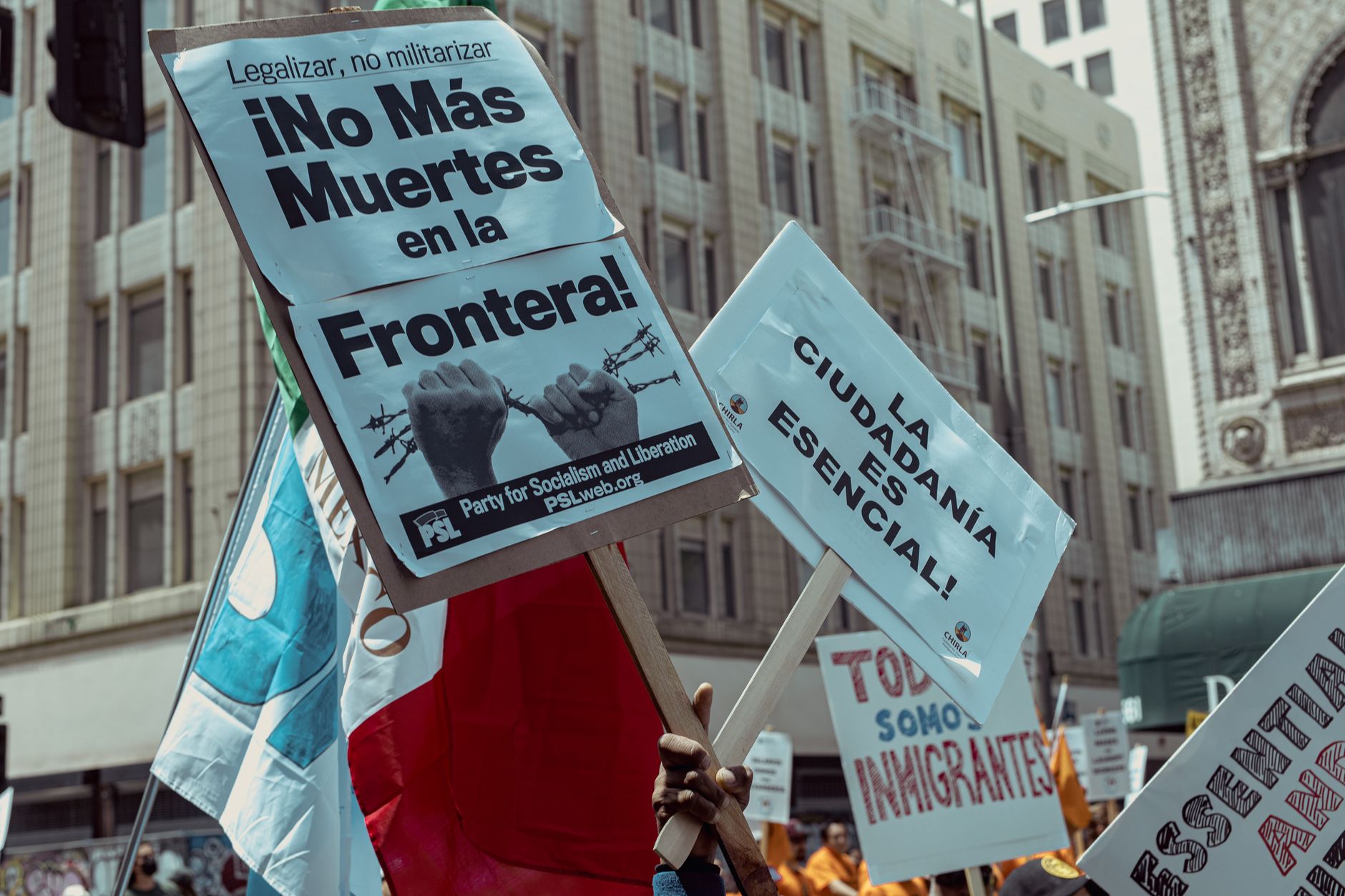
Migration remains one of the most potent fault lines. Even where flows are manageable by historical standards, the political impact is outsized because the issue has become a symbol for lost control. Governments want tighter borders and faster returns, while rights groups warn that panic-driven policymaking can corrode Europe’s legal and humanitarian standards.
At the same time, the cost-of-living squeeze has not disappeared. Households may no longer face the peak inflation shock of recent years, but they still feel pressure from housing shortages, energy costs and stagnant wages. That creates fertile ground for parties that promise simple answers and blame external enemies, whether migrants, Brussels or global elites.
The technological shift is adding another layer of unease. Artificial intelligence is bringing promises of productivity and fear of displacement. In many countries, the public conversation has moved beyond whether AI will change work to whether political systems are capable of governing the change at all.
For the EU, the social challenge is as important as the geopolitical one. A union that cannot persuade its citizens that it protects them will eventually lose the mandate to act boldly abroad. Europe’s institutions can draft strategies, but they cannot survive on abstraction. They need public trust, and trust is now the scarcer resource.
That is why the social question may end up being the decisive one. If Europe cannot restore a sense of shared purpose, its economic and strategic projects will continue to run into political resistance from within.