European leaders like to frame the continent’s challenge as one of geopolitics. But underneath that is a quieter and more combustible story: a public that feels less certain about the future and less convinced that its institutions can protect it.
The war in Ukraine continues to shape the psychological weather in Europe. It has sharpened fears about security, energy and borders, while also putting pressure on governments to explain why defence spending is rising even as household finances remain strained. The result is a political environment where solidarity is still possible, but patience is thinner than it was.
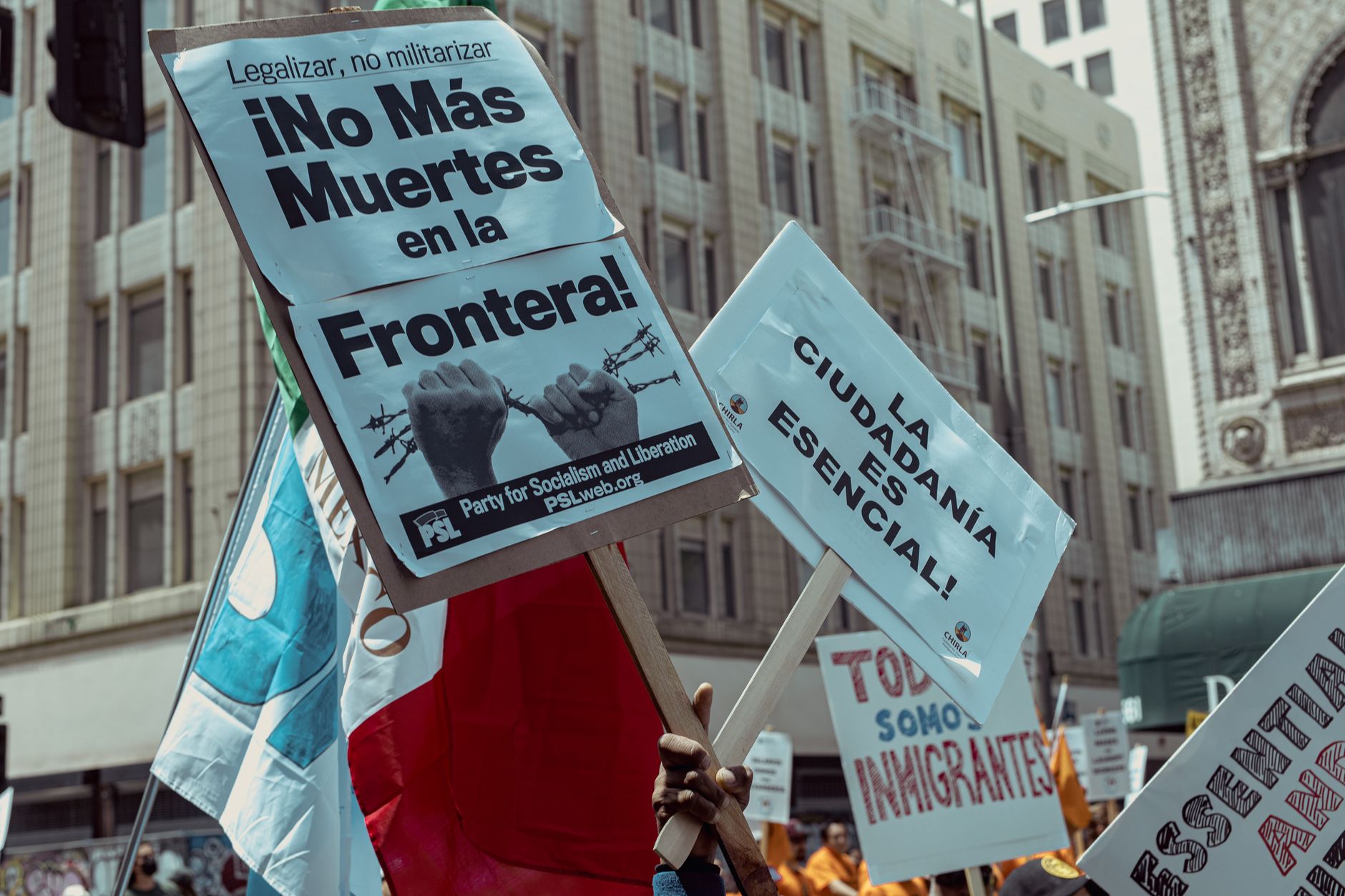
Migration remains another fault line. For many voters, it is not just about border control but about state capacity — whether governments can actually manage change, integrate newcomers and preserve trust in public services. That debate cuts across the continent, feeding both mainstream caution and the rise of parties that thrive on the feeling that Europe is being asked to absorb too much uncertainty at once.
Add to that the social strain of inflation, housing pressure and uneven growth, and the picture becomes clearer. The EU’s legitimacy is not only being tested in summit rooms and policy papers; it is being tested in kitchens, train stations, schools and workplaces where people are deciding whether the European project still feels like an asset.
Europe does not lack strategy documents. What it lacks is a convincing story that links security, prosperity and social stability in a way ordinary voters can feel. Unless Brussels and national capitals can make that connection more believable, the politics of fear will keep outrunning the politics of integration.