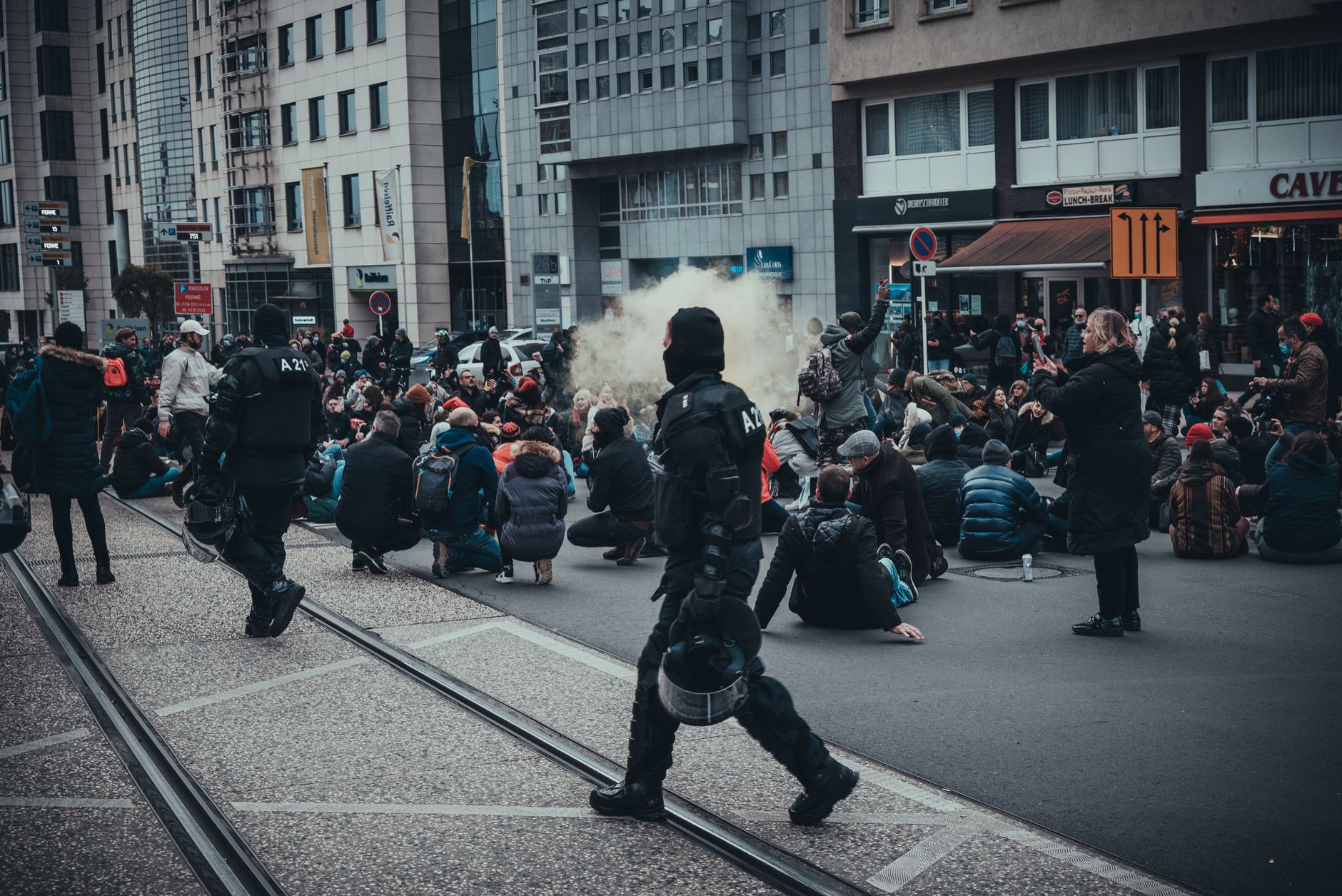
Europe’s institutions are confronting a familiar but newly dangerous problem: public patience is thinning. Voters are being asked to absorb higher defense costs, economic uncertainty, migration pressures and the unsettling speed of technological change — all while being told that the answer is more integration, more discipline and more sacrifice for the common good.
That message is proving hard to sell. Across the continent, anti-establishment parties are exploiting the gap between elite language and everyday anxiety. Many Europeans do not hear “resilience” and “strategic autonomy” as signs of renewal; they hear bills, border stress and a sense that decisions are being made far away by people who are insulated from the consequences.
The European Union’s problem is not simply communication. It is that its political center of gravity has shifted faster than its social contract. The bloc is trying to handle industrial transition, digital regulation, migration management and defense buildup at the same time, but its welfare systems, labor markets and democratic habits were built for a more stable era. That mismatch is feeding resentment.
Artificial intelligence, in particular, is becoming a quiet political fault line. For Brussels, it is a competitiveness issue and a regulatory challenge. For workers, it is a threat to jobs and wages. For younger Europeans, it is another reminder that the future is being rewritten faster than governments can explain it. Add housing stress, slow growth and uneven opportunity, and the political mood darkens quickly.
The EU still has one enormous advantage: it can offer scale, rights and a framework for cooperation that no single member state can match. But legitimacy cannot be decreed. If Europe wants people to support a more geopolitical union, it has to prove that strength abroad can translate into fairness at home. Otherwise the project risks becoming strategically ambitious and socially brittle at the same time.