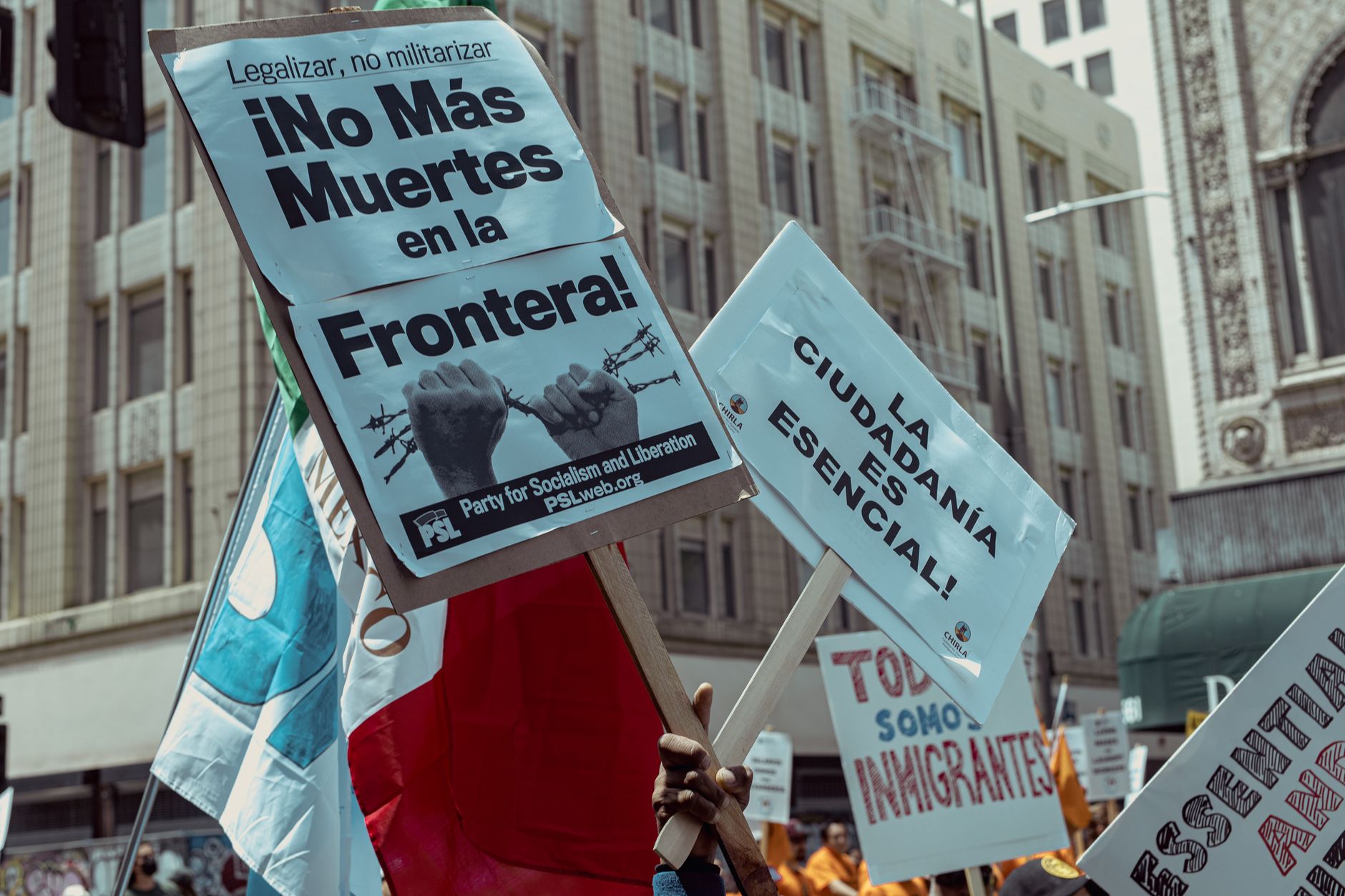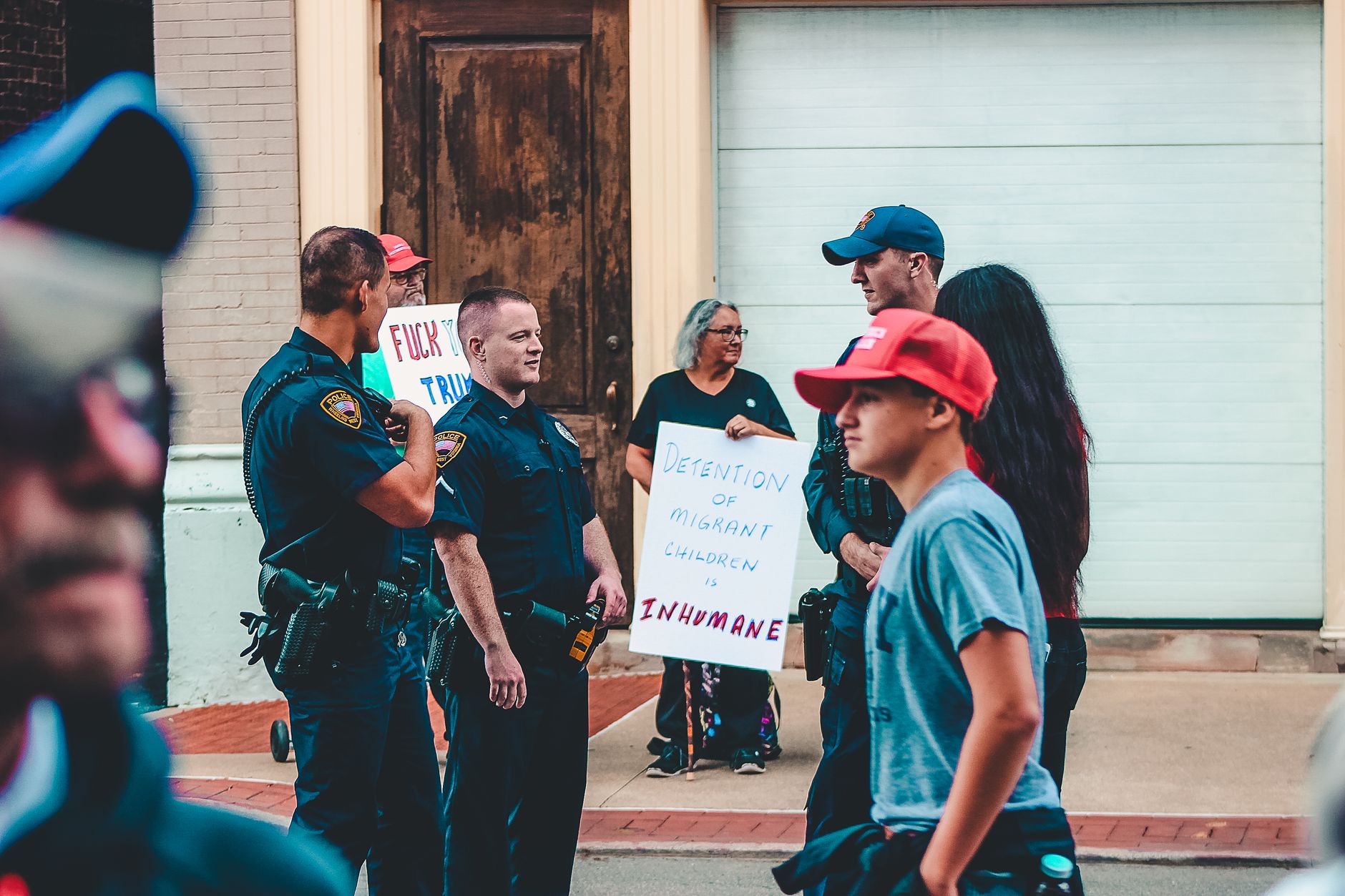
The country’s domestic politics are being defined less by a single issue than by a clash over authority. In Newark, detainees at Delaney Hall have launched a hunger strike to protest what they describe as inhumane conditions and due process violations, turning an immigration detention center into a symbol of broader unease.
At the same time, a federal judge in Tennessee has dismissed criminal charges against Kilmar Abrego Garcia, the Maryland father of three who was wrongfully sent by the Trump administration to El Salvador. That decision is a reminder that even in a hardened political climate, courts can still force the system to confront its errors.
These episodes are not isolated. They reflect a country in which immigration enforcement, federal power, and judicial oversight are colliding in real time. The administration projects strength, but the repeated appearance of legal setbacks suggests a government under constant pressure to defend the legality of its own methods.
The White House shooting incident over the weekend only sharpened the atmosphere of tension, adding another layer of concern about security and public disorder around the center of power. Even when the details are specific, the public mood is unmistakably broader.
The larger issue is whether the United States is drifting toward a politics of permanent emergency. When detention protests, immigration rulings, and security scares all land in the same news cycle, the country starts to feel less governed than managed from crisis to crisis.