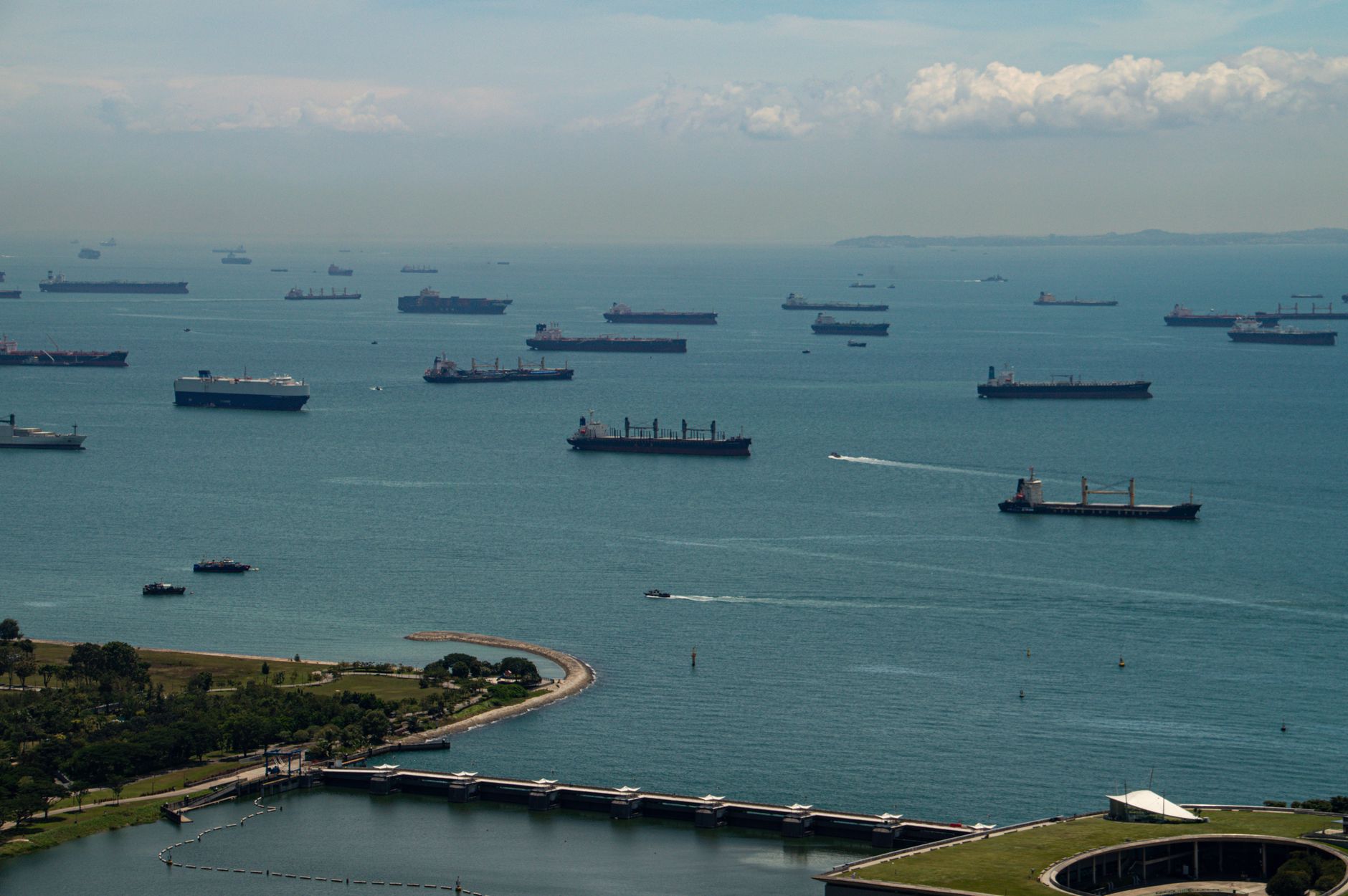
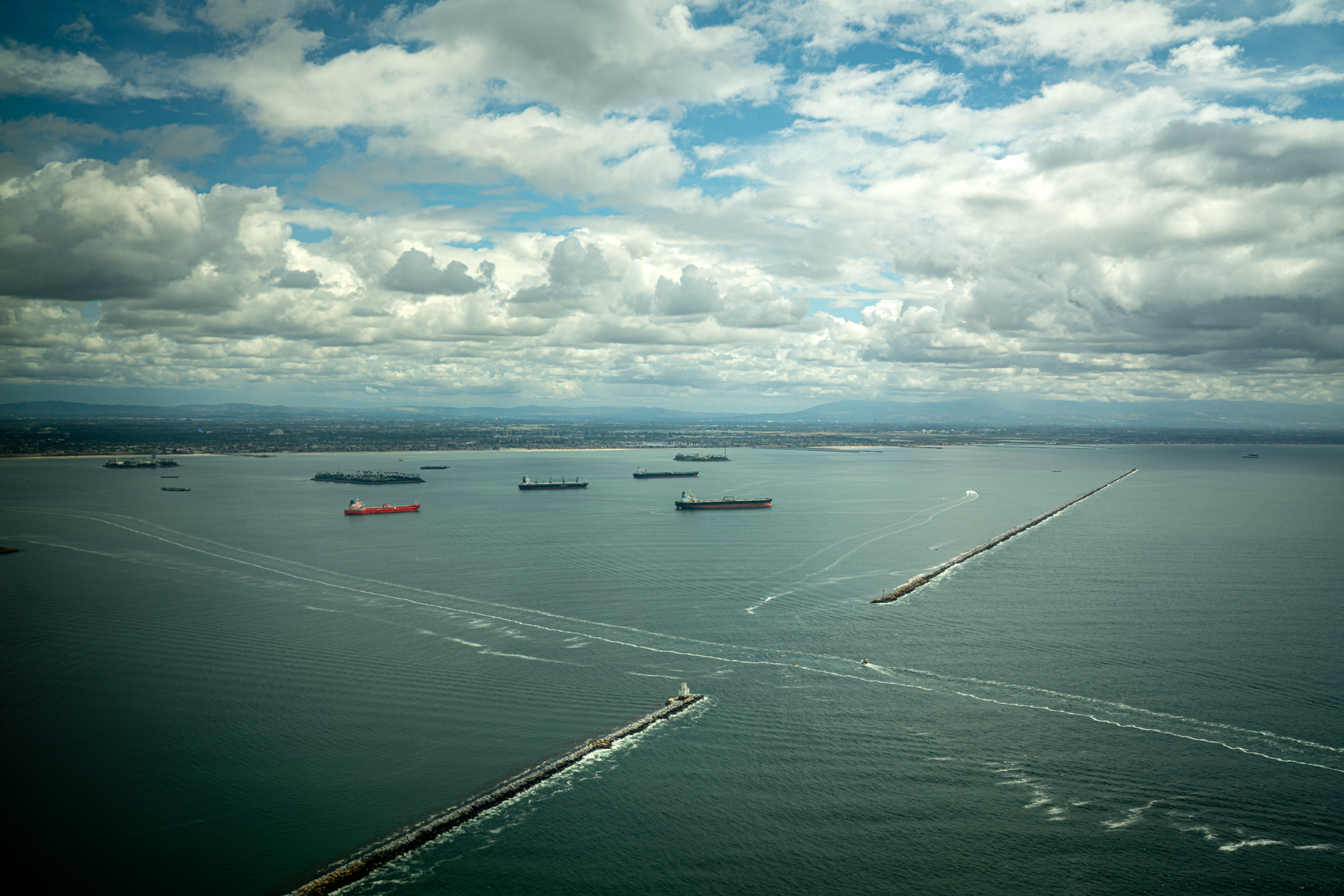
Asia-Pacific security in 2026 is increasingly defined by geography. The region’s most contested spaces are not just borders and islands, but the sea lanes that carry the trade and energy flows on which East Asian economies depend.[1][5]
That makes chokepoints such as Malacca, Luzon and the waters around Taiwan strategically decisive. Reports on the region note that major powers are competing to control maritime routes, secure energy resources and militarise strategic areas including the Senkaku, Spratly and Paracel islands.[1][5]
China has continued strengthening its military capabilities near Korea and in the South China Sea, while also holding exercises that signal endurance rather than de-escalation.[1] At the same time, the United States remains heavily present, both to reassure allies and to deter unilateral changes to the status quo.[2][5]
The danger is not only a direct clash. A more likely risk is incremental pressure: coercive patrols, air and naval shadowing, or new incidents that raise insurance costs and slow commerce without crossing the threshold of open war.[1][2]
That ambiguity is part of why regional governments are investing in resilience. The growing emphasis on defence networking, diversified procurement and closer coordination among like-minded states is an attempt to harden the system against disruption without forcing a rigid bloc choice.[2]
The challenge for Asia-Pacific leaders is that economic interdependence does not eliminate strategic rivalry. It often amplifies it, because the same sea routes that make the region prosperous also make it vulnerable.[1][5]