Breaking
/
AS-2919
/
Global
/
20:45
Indonesia’s Vice President Gibran Rakabuming Raka has resigned, according to his aide and multiple political sources. The move could trigger a formal replacement process and create uncertainty in Southeast Asia’s largest economy.
Breaking
/
AS-2762
/
Global
/
02:30
Paraguay’s Senate unanimously voted to remove President Santiago Peña after an impeachment trial tied to alleged misconduct involving the collapse of Ueno Bank. All 44 senators present voted in favor, amid accusations of conflicts of interest, regulatory manipulation and misuse of pension funds.[2]
Breaking
/
AS-2734
/
Global
/
08:01
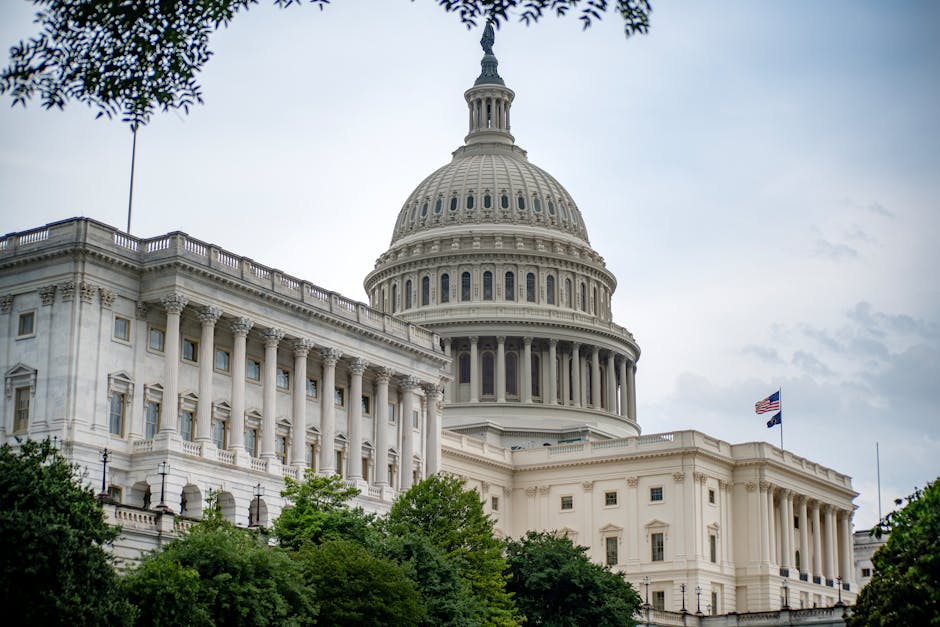
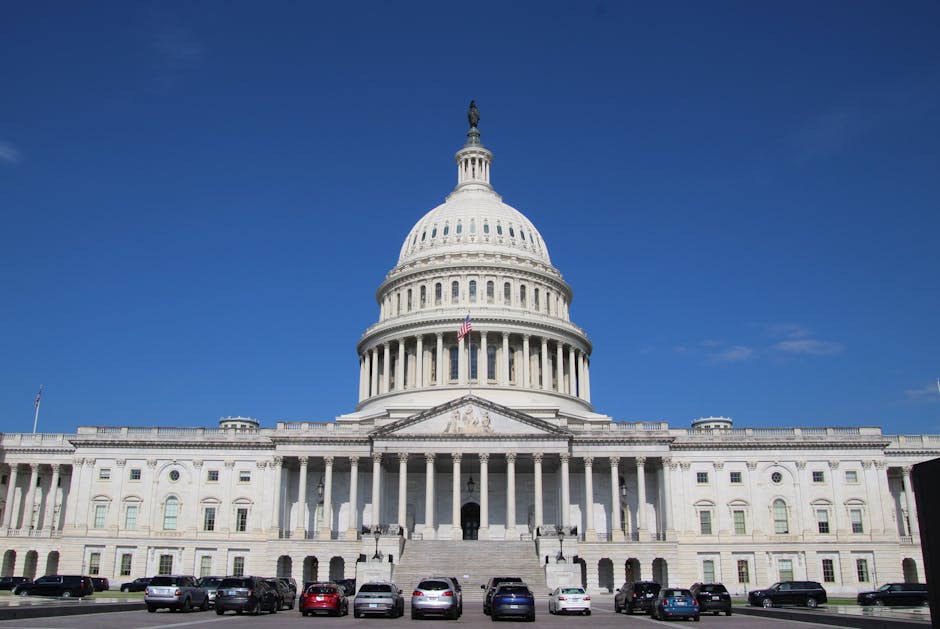
Democrats won control of both chambers of Congress in the U.S. midterm elections, flipping multiple Senate seats and Republican strongholds. The result is expected to intensify investigations into President Donald Trump’s administration and increase pressure to end the Iran war.[6]
Breaking
/
AS-2699
/
Global
/
06:30
Democrats have won control of both chambers of the US Congress, creating a major political shift for the remainder of President Donald Trump’s term. Trump acknowledged that the Iran war and higher fuel prices contributed to the Republican defeat, while Iran said American voters had rejected the conflict.
Developing
/
AS-2579
/
Global
/
14:30
Mass demonstrations over rising living costs and public services spread across France and Germany, with most marches peaceful but clashes and looting reported in several cities. French authorities reported more than 500 arrests, while German police confronted rioters after nationwide rallies.
Breaking
/
AS-2549
/
Global
/
17:30
Poland’s Constitutional Tribunal says a coup is underway after its president and vice-president were suspended amid a power struggle over control of the court. President Karol Nawrocki reportedly abandoned an Africa trip and returned to Warsaw as police entered the tribunal’s premises.[4]
Developing
/
AS-2447
/
Global
/
14:30
Israel’s parliamentary election remains too close to call, with Prime Minister Benjamin Netanyahu’s bloc leading but short of a governing majority. The result could determine Israel’s political direction amid ongoing regional tensions and conflict.[1][4]
Developing
/
AS-2445
/
Global
/
12:45
Israel’s national election has produced no clear winner, with Prime Minister Benjamin Netanyahu’s bloc projected to fall short of the 61-seat majority needed to form a government. Arab parties may hold the balance of power as coalition negotiations begin.[1][2]
Developing
/
AS-2443
/
Global
/
12:01
Israel’s pivotal election appears deadlocked, with Benjamin Netanyahu’s bloc and the opposition led by Gadi Eisenkot both falling short of the 61-seat majority needed to form a government. Arab parties may hold the balance of power in coalition negotiations.[1][2]
Developing
/
AS-2438
/
Global
/
08:30
Israel’s parliamentary election has produced no clear winner, with neither Prime Minister Benjamin Netanyahu’s bloc nor opposition leader Gadi Eisenkot’s bloc projected to reach the 61 seats needed to form a government. With nearly half the vote counted, Netanyahu’s bloc held a narrow projected lead, leaving coalition negotiations and political uncertainty ahead.
Developing
/
AS-2436
/
Global
/
06:45
Israel’s wartime election has produced no clear governing majority, with exit polls showing a narrow advantage for opposition leader Gadi Eisenkot’s bloc over Prime Minister Benjamin Netanyahu’s coalition. Coalition negotiations could determine whether Eisenkot forms a government or Netanyahu remains caretaker prime minister.
Developing
/
AS-2435
/
Global
/
06:30
Exit polls indicate Israeli opposition leader Gadi Eisenkot’s bloc may have narrowly outperformed Prime Minister Benjamin Netanyahu’s coalition, but neither side appears able to form a government alone. The result could trigger prolonged coalition negotiations and create significant uncertainty over Israel’s wartime leadership and policy direction.
Developing
/
AS-2434
/
Global
/
06:01
Israel’s wartime election produced no clear winner, with exit polls indicating that neither Prime Minister Benjamin Netanyahu’s coalition nor the opposition led by Gadi Eisenkot can immediately form a government. The result could trigger prolonged coalition negotiations and leave Netanyahu governing in a caretaker capacity.
Breaking
/
AS-2433
/
Global
/
02:45
Israel’s national election has produced no clear winner, with exit polls suggesting opposition leader Gadi Eisenkot’s bloc is ahead of Prime Minister Benjamin Netanyahu’s coalition. Eisenkot says he will move quickly to form a government, but coalition negotiations could lead to prolonged political uncertainty.
Developing
/
AS-2431
/
Global
/
02:01
Exit polls in Israel project opposition parties ahead of Prime Minister Benjamin Netanyahu’s bloc, but neither side appears to have a clear parliamentary majority. The result could produce a prolonged coalition-building process and uncertainty over Israel’s political direction.
Breaking
/
AS-2419
/
Global
/
19:01
Israelis are voting in the country’s first national election since the October 7 attacks, with Prime Minister Benjamin Netanyahu facing a closely contested race. The result could determine whether Netanyahu remains in power or whether an opposition bloc led by former general Gadi Eisenkot forms the next government.
Breaking
/
AS-2404
/
Global
/
08:01
Israelis are voting in the country’s first election since the October 7, 2023 attacks, with Prime Minister Benjamin Netanyahu facing a strong challenge from former military chief Gadi Eisenkot. Neither major bloc is expected to secure a parliamentary majority, raising the prospect of prolonged coalition negotiations.[4][7]
Breaking
/
AS-2385
/
Global
/
17:45
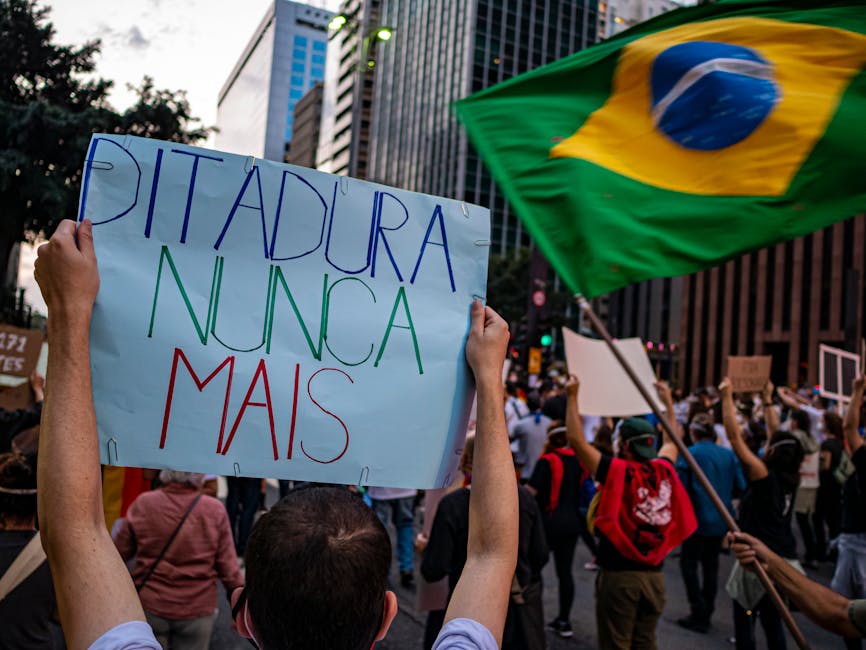
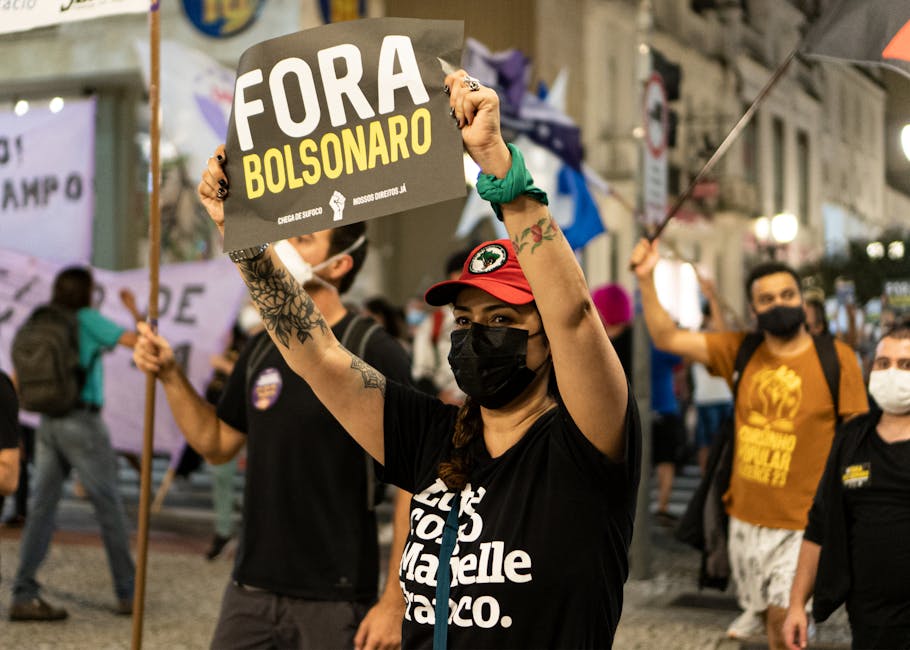
Brazilian President Luiz Inácio Lula da Silva has won a fourth term after narrowly defeating right-wing challenger Flávio Bolsonaro in a knife-edge runoff. The result is a major political setback for Brazil’s right, though Bolsonaro supporters are contesting the outcome.[3][8]
Developing
/
AS-2383
/
Global
/
17:01
Luiz Inácio Lula da Silva won Brazil’s presidential runoff for a fourth non-consecutive term, according to the country’s electoral authorities. His opponent, Flávio Bolsonaro, refused to concede and said he would seek to annul the result, raising the prospect of a political and legal dispute.[1][2]
Breaking
/
AS-2378
/
Global
/
12:30
Luiz Inácio Lula da Silva has won Brazil’s presidential runoff, securing a fourth nonconsecutive term after defeating Senator Flávio Bolsonaro. His opponent has refused to concede, raising immediate concerns about political tensions and the transition of power.
Developing
/
AS-2377
/
Global
/
12:01
Luiz Inácio Lula da Silva defeated Flávio Bolsonaro in Brazil’s presidential runoff, securing a historic fourth nonconsecutive term. Bolsonaro has reportedly refused to concede, raising tensions over the election result.[1][3]
Developing
/
AS-2376
/
Global
/
10:45
Brazilian President Luiz Inácio Lula da Silva has won a historic fourth nonconsecutive term after defeating Senator Flávio Bolsonaro in a closely contested runoff. Bolsonaro says he will reject the result and pursue a legal challenge, raising concerns about political instability in Latin America’s largest democracy.
Breaking
/
AS-2375
/
Global
/
10:30
Brazilian President Luiz Inácio Lula da Silva has won a historic fourth, nonconsecutive term after defeating Senator Flávio Bolsonaro in a closely contested runoff. Bolsonaro has rejected the result and said he will pursue a legal challenge, raising immediate concerns about political stability and a contested transition.
Breaking
/
AS-2367
/
Global
/
02:45
Luiz Inácio Lula da Silva defeated Senator Flavio Bolsonaro to win a historic fourth term as Brazil’s president, according to Reuters coverage reported by Arab News. The result marks a major political shift in Latin America and a setback for Brazil’s right-wing opposition.
Breaking
/
AS-2366
/
Global
/
02:30
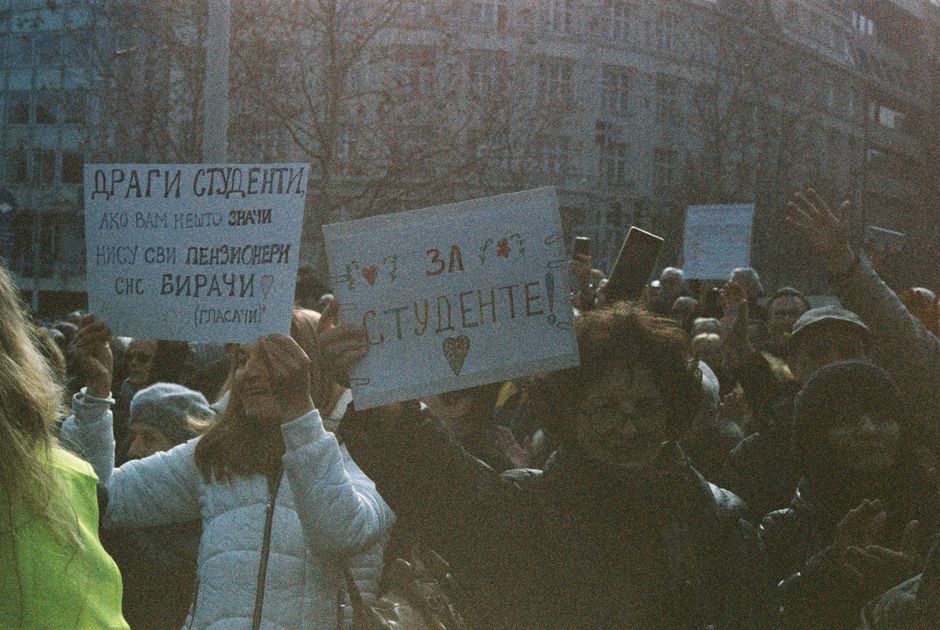
Serbian President Aleksandar Vucic has conceded defeat to a student-led movement in a major political shift, according to an Associated Press report dated October 26, 2026.[1] The result could significantly reshape Serbia’s domestic politics and its direction between the European Union and Russia.[1]
Breaking
/
AS-2364
/
Global
/
00:45
Brazilian voters are choosing between Luiz Inácio Lula da Silva and Flávio Bolsonaro in a closely watched presidential runoff. Bolsonaro led the first round but fell short of the majority needed to avoid a second vote, making the result consequential for Brazil’s political direction.
Breaking
/
AS-2355
/
Global
/
19:45
Brazilian voters are choosing between Flávio Bolsonaro and Luiz Inácio Lula da Silva in a closely watched presidential runoff. The result could reshape Brazil’s domestic politics and its approach to regional and international issues.
Developing
/
AS-1682
/
Global
/
12:01
Brazilian Senator Flávio Bolsonaro and President Luiz Inácio Lula da Silva will face each other in a presidential runoff on October 25 after neither won a first-round majority. The result could shift the political direction of Latin America’s largest economy and deepen regional polarization.
Developing
/
AS-1681
/
Global
/
10:45
Brazilian President Luiz Inácio Lula da Silva and Senator Flávio Bolsonaro will face each other in a presidential runoff on October 25 after neither won a first-round majority. The result could reshape Brazil’s domestic direction and Latin America’s political balance.
Developing
/
AS-1670
/
Global
/
02:02
Brazil began reporting first-round presidential election results in a closely contested race led early by Senator Flavio Bolsonaro. The election is being shaped by corruption scandals, economic anxiety and accusations of foreign interference.
Breaking
/
AS-1644
/
Global
/
08:30
Brazilian voters are heading to the polls in a closely contested presidential election between rival political camps. The result could significantly reshape Brazil’s domestic direction and regional influence.
Breaking
/
AS-1018
/
Global
/
08:45
The most prominent breaking world story in the available coverage is a U.S. Supreme Court decision that dealt a blow to Donald Trump’s effort to restrict mail ballots ahead of the midterm elections. The ruling allows states to continue using long-established mail-ballot processes that account for a large share of votes cast.
End of transmission — refreshing every 60s
 Photo — Ernie Indriati Saragih Manihuruk / Pexels